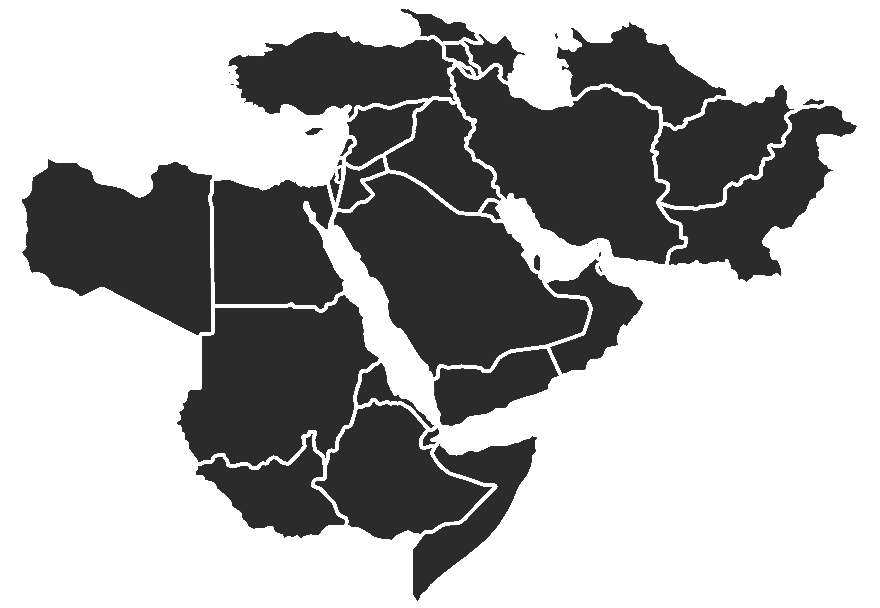
Fano’s sustained offensives have disrupted Ethiopia’s June 1 federal elections, with the election board saying votes will not be held in at least 8 of Amhara’s 138 constituencies. In Somalia, Puntland is ramping up counter-ISS operations as the group resurges, while in the DRC the army’s failed push on Rubaya and M23’s first successful drone strike on Kisangani underscore escalating conflict around a mine central to coltan revenues and peace talks. The article points to heightened regional instability, election disruption, and renewed attacks on key mineral and military infrastructure.
The common thread here is not just conflict intensity, but state bandwidth collapse. In all three cases, the more immediate marketable asset is not the battlefield outcome itself but the diversion of scarce logistics, airlift, and command attention away from higher-value economic nodes. That raises the probability of localized transport disruptions, ad hoc checkpoints, and intermittent security failures around roads, ports, airfields, and mines—events that tend to hit insurance, freight, and regional FX liquidity before they show up in headline risk.
The clearest second-order trade is in critical minerals. If the Congolese government escalates its push around Rubaya, expect a short-term supply shock premium in coltan/tantalum-linked processors even if the mine does not change hands, because the real bottleneck is corridor reliability and export cadence, not geology. Conversely, if Rubaya remains contested, M23’s bargaining power rises; that is bearish for any “peace-for-investment” narrative and supportive of firms that can source input diversification outside the Great Lakes.
The counterterrorism angle in Somalia is more interesting than the headline suggests: ISS resurgence during a broader regional distraction cycle increases the odds of a tactical but persistent threat to commercial routing and port security rather than a dramatic territorial breakthrough. The more important risk is a resource reallocation away from maritime security just as piracy returns, which can widen shipping spreads and push regional operators to pay up for escort, satellite monitoring, and kidnap/ransom coverage. In Ethiopia, election disruption is a governance signal: the market should treat it as a precursor to deeper federal-provincial fragmentation, with higher odds of fuel distribution bottlenecks and administrative non-payment in the north over the next 1-3 months.
Consensus is probably underpricing how multi-front fatigue compounds. These are not isolated African flashpoints; they are simultaneous drains on external partners whose attention is also pulled by the Middle East, which means the backstop for stabilization is thinner than normal. That makes the base case less about rapid de-escalation and more about episodic violence with sporadic but material market consequences.
AI-powered research, real-time alerts, and portfolio analytics for institutional investors.
Request DemoOverall Sentiment
strongly negative
Sentiment Score
-0.55
