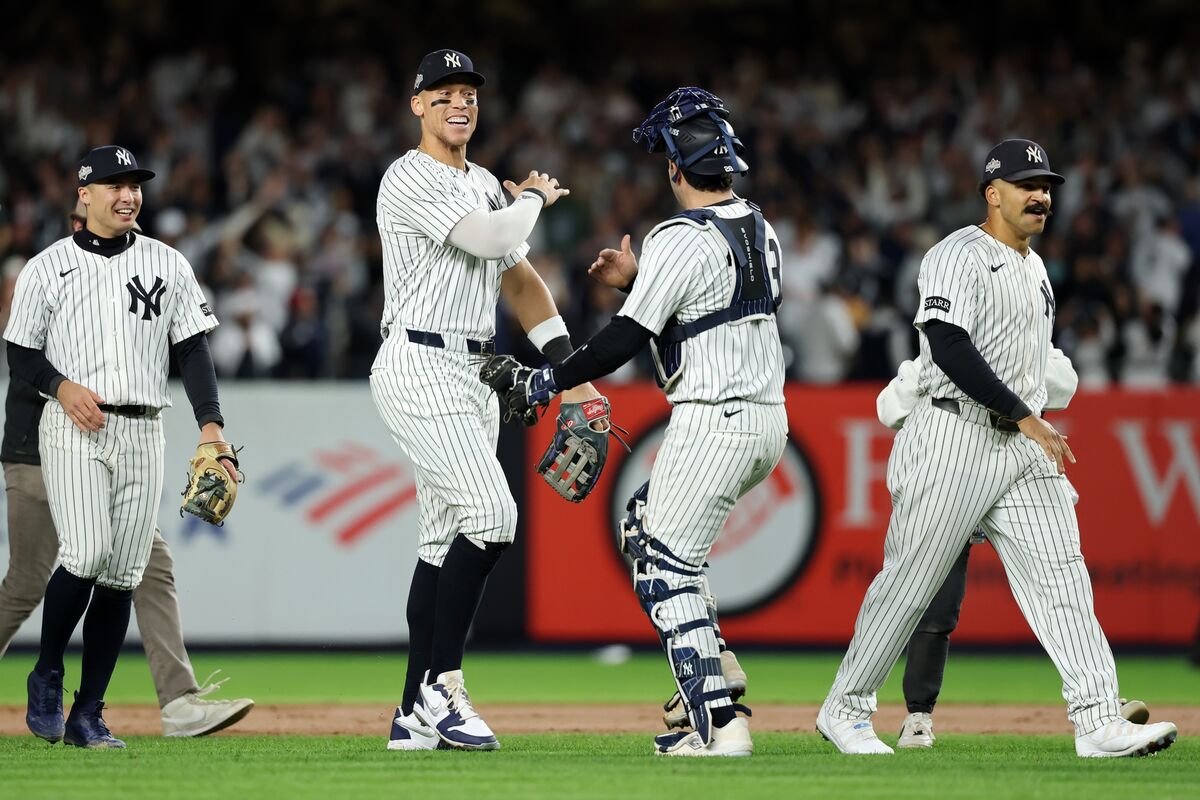
Yankee Stadium reported nearly $340 million in ticket sales and suite-license revenue in the first nine months of the year, a slight increase versus the same period in 2024, and received an additional $27.9 million in cash tied to a postseason run. The postseason boost — disclosed in bond filings — provides a modest uplift to stadium cash receipts despite the Yankees’ October playoff exit to the Blue Jays, signalling resilient event-driven demand and incremental support for stadium revenue and related credit metrics.
Market structure: The $27.9m postseason cash injection is a concentrated, short‑term revenue uplift that directly benefits stadium operators, concession/operations contractors (e.g., ARAMARK - ARMK), ticketing/venue promoters (Live Nation - LYV) and holders of Yankees‑stadium revenue bonds via improved coverage ratios; broadcasters (DIS/FOXA) see modest ad/viewership upside. Losers are entities levered to attendance declines (regional hotels, lower‑tier teams) if the postseason bump is one‑off. Expect modest pricing power for premium suites and playoff add‑ons over the next 6–12 months, with potential 1–3% revenue upside for attendees‑dependent vendors in NYC.
Risk assessment: Tail risks include a player strike/lockout, a macro discretionary spending shock, or material legal/regulatory changes in sports betting that reduce in‑stadium demand — each could wipe out 100%+ of the postseason uplift. Immediate (days) effect: improved bond covenant metrics in recent filings; short term (weeks–months): season ticket renewals and suite license pricing will reveal sustainability; long term (quarters–years): media rights and in‑person experience economics dominate. Hidden dependency: team performance and player health drive >50% of postseason revenue variance; catalysts include off‑season roster moves and CBA negotiations.
Trade implications: Tactical credit trade — muni/stadium revenue spreads should compress if market recognizes improved coverage; consider high‑yield muni exposure for 3–9 months targeting 20–60 bps spread tightening. Equity/operational plays favor ARMK and LYV over broad lodging names; use limited‑risk options to express upside ahead of summer 2026 event schedule. Entry: initiate in next 2–6 weeks; re‑test after off‑season announcements.
Contrarian angles: The market may over‑credit the postseason cash as recurring revenue; if teams raise prices to sustain margins, attendance elasticity could reverse benefits and pressure concession volumes. Historical parallels (past playoff bumps) show mean reversion in the following season — hedge equity exposure and size muni positions to 1–3% of portfolio to avoid concentration risk.
AI-powered research, real-time alerts, and portfolio analytics for institutional investors.
Request DemoOverall Sentiment
mildly positive
Sentiment Score
0.32
