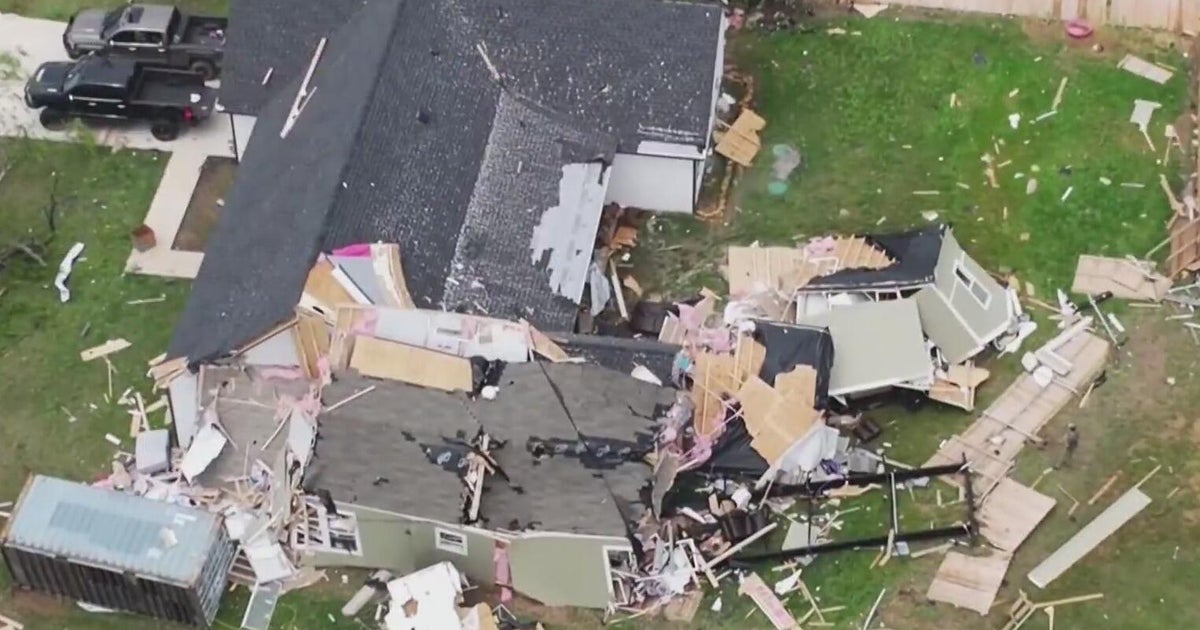
A deadly tornado struck Runaway Bay, killing 1 person and leaving 20 residents without homes, with damage concentrated in the community's southwestern, western, and northern edges. The article highlights a localized recovery effort led by Mayor Herman White and community volunteers, with displaced residents seeking shelter-in-place and donations flowing in from nearby cities. The event is materially negative for the affected community but is unlikely to have broad market impact.
This is a localized shock, but the investable read-through is less about direct catastrophe exposure and more about near-term demand for temporary shelter, materials, logistics, and restoration labor. The first-order uplift lands in contractors with rapid-deploy capabilities, portable power, roofing, lumber, drywall, fencing, and cleanup; the second-order winner is anyone with inventory depth and last-mile distribution close to North Texas, because post-storm demand is lumpy and immediate while insurance-funded rebuild spend tends to arrive with a lag.
The loser set is more nuanced: small regional insurers and reinsurers face a claims spike, but the bigger risk is not the single event—it is the clustering of severe-weather losses into the same underwriting year, which can force reserve strengthening and tighter pricing across the Texas book over the next 1-2 renewal cycles. If displaced households avoid shelters and instead rely on ad hoc housing, that creates a short-duration spike in extended-stay lodging, rental assistance, and mobile home demand, but also increases the probability of a later backlog in claims processing and contractor scarcity, which extends the revenue window for restoration names.
The contrarian point is that markets often overprice the immediate destruction and underprice the rebuild duration. For equities, the optimal setup is usually not to chase disaster headlines, but to buy the beneficiaries that have operating leverage to restoration spend and can monetize multi-month backlogs, while fading the temptation to short broad homebuilders or materials on a one-event basis. If weather losses remain isolated, the trade can mean-revert quickly; if the season turns active, the tail risk shifts toward margin pressure in insurers and upside to specialty suppliers with Gulf/South exposure.
Catalyst timing is days to weeks for emergency services, then 1-3 months for debris removal, temporary housing, and permitting, and 6-18 months for reconstruction. The key reversal signal is rapid normalization of contractor availability and claims severity below preliminary estimates; the key acceleration signal is follow-on severe weather that compounds replacement demand and pushes local labor and materials pricing higher.
AI-powered research, real-time alerts, and portfolio analytics for institutional investors.
Request DemoOverall Sentiment
strongly negative
Sentiment Score
-0.78
