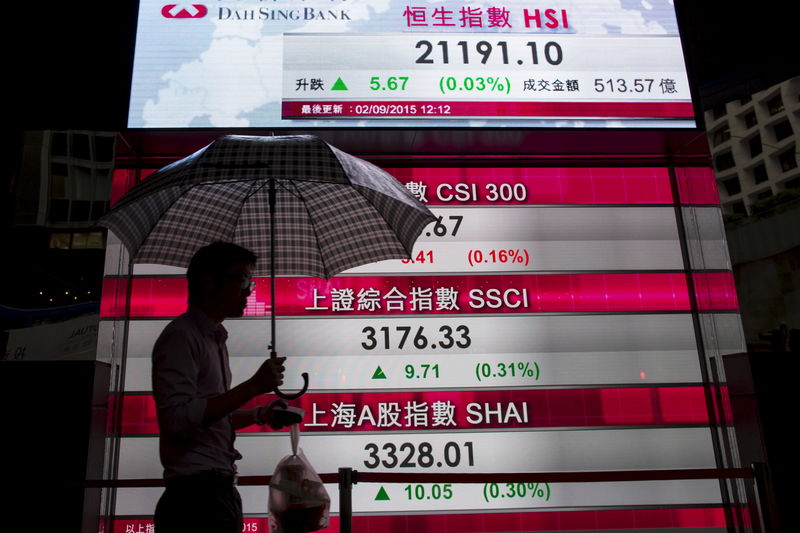
Asian stocks saw a pullback after the S&P 500 and Nasdaq logged their best quarter since 2020, with U.S. index futures down 0.3% while investors awaited fresh catalysts (including Fed signals and payrolls). Still, regional manufacturing strength supported risk appetite: China/ Japan PMIs remained in expansion territory, Japan’s Tankan sentiment improved, and South Korea’s June exports jumped 70.9% YoY (trade surplus $36.15B). The main risk was geopolitical supply-chain disruption risk around the Strait of Hormuz, even as reports of continued Iran talks added some comfort.
The strongest signal here is positioning, not macro: Korea/AI has become crowded enough that even good export data can trigger de-risking, which tells you the marginal buyer is exhausted. That makes the KOSPI/semicap complex vulnerable to a 2-5% air pocket over the next few sessions, even if the 1-3 month setup stays constructive.
If Hormuz stays quiet and North Asia factory data holds, the second-order winners are industrials, machinery, market makers/exchanges, and shipping-sensitive exporters rather than the most obvious AI leaders. Lower oil risk premium is a hidden tailwind for Asian manufacturing margins, but it also removes the inflation scare that was helping energy and commodity beta.
The main reversal risk is the U.S. data/Fed sequence: a hot payrolls print or hawkish signal would push real yields higher and compress long-duration tech multiples, while a weak print would likely rotate leadership back toward defensives and financials. The market is currently priced for soft landing plus AI plus contained geopolitics; that combination breaks quickly if either yields or oil spike.
AI-powered research, real-time alerts, and portfolio analytics for institutional investors.
Overall Sentiment
neutral
Sentiment Score
0.05
Ticker Sentiment
