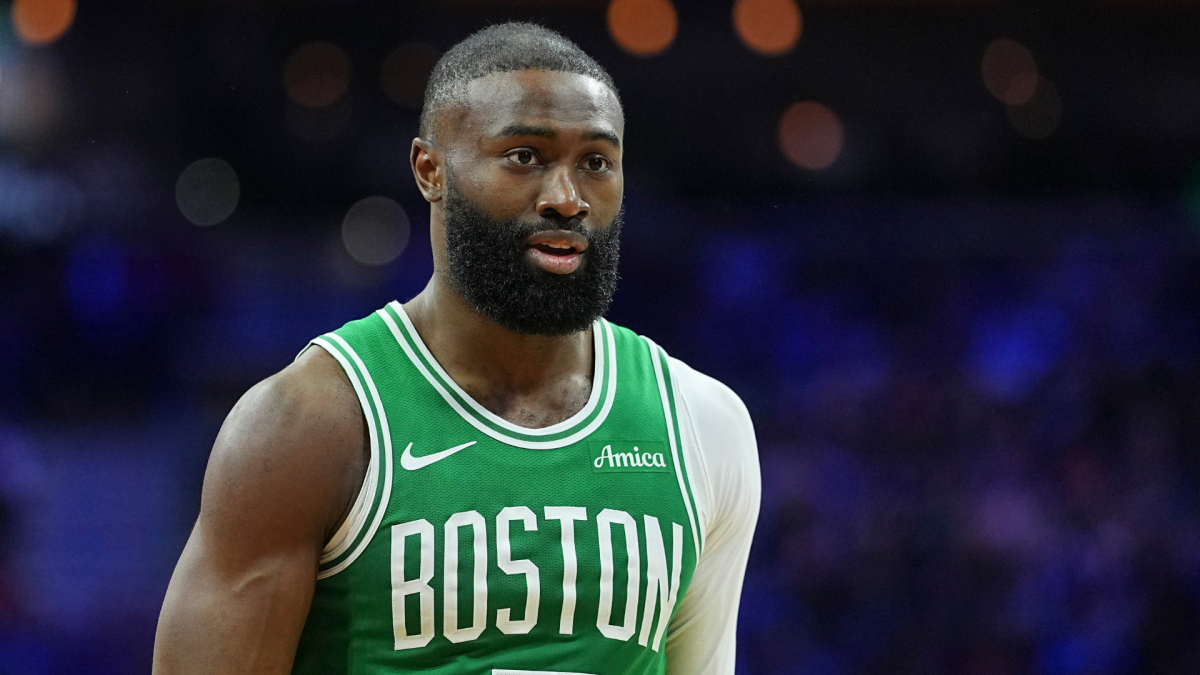
The article centers on NBA offseason trade rumors, including Jalen Duren exploring sign-and-trade options and the Celtics reportedly seeking four first-round picks for Jaylen Brown. It also highlights internal Knicks tension over remaining under the second apron, which could affect retention of championship contributors. The piece is speculative and franchise-specific, with limited direct market impact beyond player movement and roster construction.
The market is treating these stories as player movement, but the more important signal is balance-sheet governance: teams are now using roster construction as an asset-allocation decision under hard cap constraints. That tends to reward organizations with optionality and punish clubs with one-way commitments, because the marginal value of a mid-tier star falls sharply once second-apron restrictions reduce future trade flexibility. In practice, this increases the premium on liquid, tradable contracts and draft capital over name-value player retention.
Detroit looks like the clearest near-term beneficiary of a reset around shooting and cap discipline. If Duren’s number gets pushed down, or if a sign-and-trade materializes, the Pistons can reprice the center position around fit rather than upside, which is a better path for a team whose playoff issue was offensive spacing rather than rebounding volume. The hidden risk is that a public stalemate can poison the negotiation and force Detroit into a suboptimal medium-term outcome: either overpay a center whose playoff utility is capped, or lose him and still have to spend replacement dollars in a thin market.
Boston’s posture is more interesting because asking for draft compensation signals they care less about a clean talent-for-talent swap than about preserving sequence optionality. That usually means the team is either testing the market to anchor price expectations or preparing to pivot to a different star class; both are supportive of patience, not urgency. The real downside is not losing Brown per se, but replacing a two-way playoff-proven creator with assets that may not convert into equal 2026–2027 win probability, especially if the return is delayed.
New York’s internal tension is the clearest governance trade: owner-level cap aversion versus basketball-ops title defense maximization. In the near term, the risk is not a dramatic collapse but marginal erosion — the difference between a top contender and a merely good team is often the last 15–20 playoff minutes from high-leverage veterans. If the owner forces a hard apron line, the market should expect the club to substitute lower-cost, lower-ceiling depth, which reduces repeat-title odds more than regular-season win total.
AI-powered research, real-time alerts, and portfolio analytics for institutional investors.
Request DemoOverall Sentiment
neutral
Sentiment Score
-0.05
