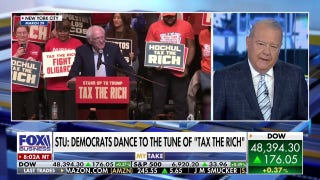
Kevin Warsh disclosed at least $131 million in assets, which would make him the wealthiest Fed chair in history if confirmed. His nomination is facing headwinds as Sen. Thom Tillis withholds support pending resolution of the DOJ probe into Chair Jerome Powell, though a confirmation hearing is scheduled for next week. The story is primarily about Fed leadership succession, governance, and political obstacles rather than an immediate market event.
The market impact is less about who sits in the chair and more about how long the Fed remains functionally sidelined by politics. That matters because even a credible nominee can become a release valve for duration volatility if investors interpret the confirmation as increasing the odds of a more growth-sensitive, rate-cut-friendly policy regime. In that setup, the first-order beneficiaries are not banks but long-duration assets: rate-sensitive equities, housing-adjacent names, and the front end of the Treasury curve if the market starts pricing a shallower hiking path or faster normalization.
The bigger second-order effect is governance risk premium compression in traditional financials versus a potential re-rating of Wall Street intermediaries that are unusually sensitive to policy uncertainty. A Fed perceived as under siege can steepen near-term volatility, which tends to help trading franchises and market-making revenues even if it hurts deal confidence. Morgan Stanley is not a direct thesis on the nomination itself, but it is a cleaner expression than regional banks because wealth management and markets revenue are less exposed to a brief freeze in rate-sensitive lending demand.
The key catalyst window is the next 1-3 weeks around hearing optics and Senate process rather than the confirmation vote itself. If the nomination stalls, you get a tactical duration selloff reversal trade; if the process advances smoothly, the market may price a cleaner policy transition and lower terminal-rate uncertainty. The tail risk is that the Powell probe becomes a broader institutional stress event, in which case the market stops treating this as a personnel story and starts pricing a Fed credibility event — a scenario that would widen financial conditions, lift volatility, and pressure cyclicals.
Consensus may be underestimating how much the dispute is already front-running policy. If investors think the next chair will be chosen under a cloud of political confrontation, they may overpay for the idea of imminent easing and underprice the odds that the Fed reacts by proving independence through a tighter-for-longer bias. That makes the trade less about the nominee and more about the path dependency of policy signaling over the next quarter.
AI-powered research, real-time alerts, and portfolio analytics for institutional investors.
Request TrialOverall Sentiment
neutral
Sentiment Score
-0.10
Ticker Sentiment
