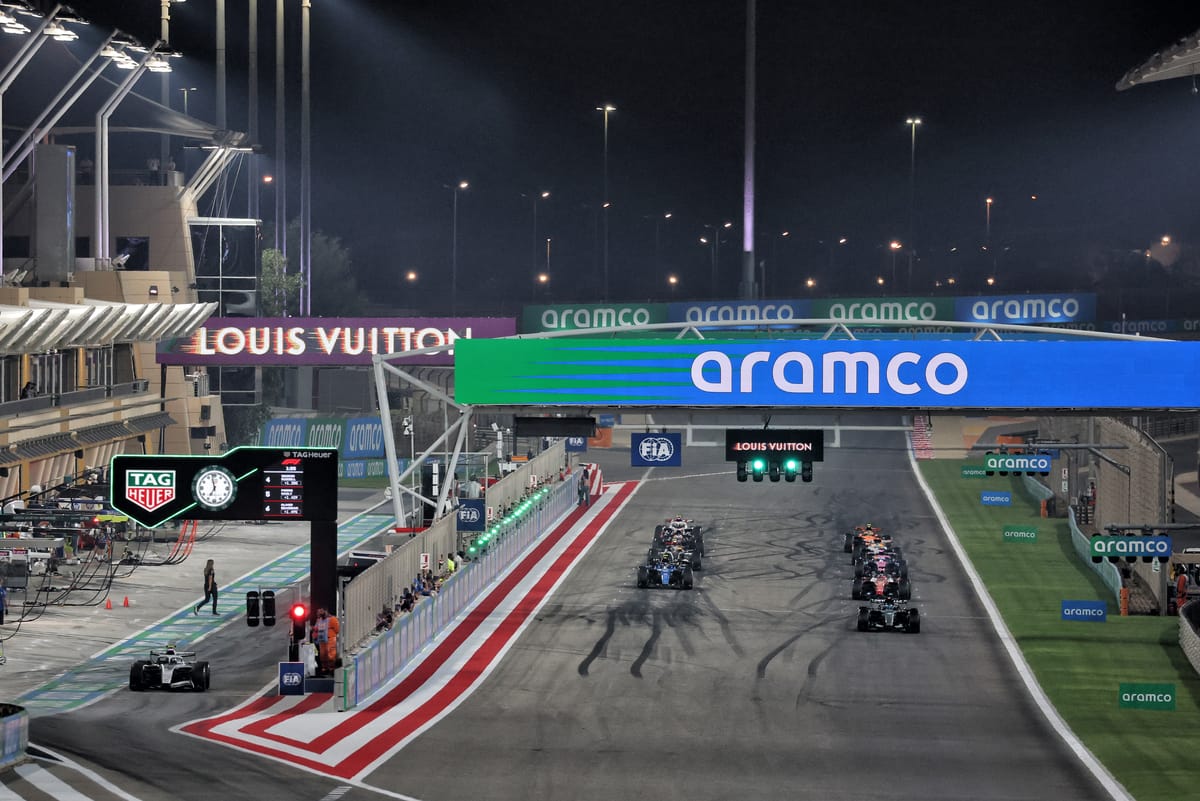
Cancellation of the Bahrain and Saudi Grands Prix removes an estimated up to $100m of race-hosting fees and creates a 33-day gap in the calendar. Teams face several million dollars of lost prize money apiece but will partially offset this via reduced travel, operating and parts usage; logistics disruptions are expected to be manageable. The change complicates ADUO power‑unit timing (potentially delaying the first upgrade window to Monaco), though the FIA is likely to tweak rules to preserve the Miami timing. The four‑week break also gives teams extra development time ahead of Miami, affecting upgrade and testing schedules.
The unexpected mid-season calendar gap creates a concentrated timing risk: cashflows tied to event-host fees and hospitality activations are deferred into later quarters, compressing near-term revenue recognition for the promoter and shifting working capital needs onto teams and vendors. That timing compression increases the probability of guidance downgrades or calls for revenue smoothing from the promoter within the next 1-3 quarters, which markets will price quickly if Liberty’s forward bookings show higher churn than usual.
Operationally the pause is a temporary relief for consumable spend but a hidden choke for development cadence — teams can re-sequence manufacturing and wind-tunnel allocations, effectively converting a logistics shock into a controlled R&D sprint. The winners will be participants with flexible supply chains (in-house composites, rapid CNC capacity, captive dynos) who can redeploy saved operational dollars into a denser upgrade curve before marquee European events; suppliers with fixed-cost footprints (third-party wind tunnels, charter freight operators) will see a non-linear demand drop that can pressure margins over the next 2-6 months.
Regulatory timing is the asymmetric lever: calendar-linked windows for homologation or ADUO-style concessions create governance arbitrage if governing bodies move dates to preserve competitive balance. That opens a 30-90 day policy risk window where outcomes (status-quo dates vs. shifted triggers) will determine which engine suppliers need to accelerate parts pipeline vs. those who can defer — and that decision materially alters capital and spare-parts consumption profiles across manufacturers.
AI-powered research, real-time alerts, and portfolio analytics for institutional investors.
Request DemoOverall Sentiment
mixed
Sentiment Score
0.00
