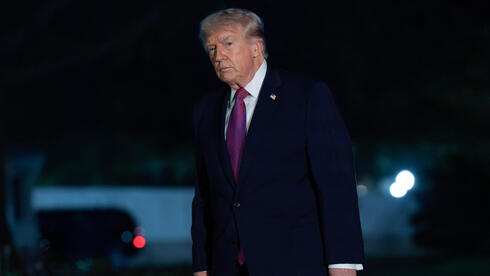
The article describes an escalating U.S.-Iran conflict, including a downed American aircraft, a high-risk rescue operation, and threats to reopen the Strait of Hormuz, a critical oil chokepoint. Trump’s reluctance to deploy ground forces, coupled with aggressive rhetoric and possible negotiations in Pakistan, points to heightened geopolitical and energy-market risk. The situation could affect crude prices, shipping flows, and broader risk sentiment.
The market is still underpricing how quickly this can migrate from a geopolitical shock to a volatility-and-energy regime shift. The immediate beneficiary is not just crude but the entire “risk premium stack”: LNG, tanker rates, defense contractors, and select cyber/satellite names should outperform on any sign of escalation because every incremental step toward Hormuz disruption raises shipping insurance and rerouting costs before barrels are physically lost. The second-order loser is global cyclicals: airlines, chemicals, and transport names face margin compression even if spot oil only moves modestly, because the earnings hit comes first from refining spreads, freight, and hedging mismatches rather than headline Brent.
The key catalyst window is days, not months. If negotiations or a ceasefire emerge, the energy spike likely mean-reverts fast; if not, the market will start pricing a prolonged U.S. containment campaign, which is where defense outperforms and rate volatility rises. A partial closure or mine threat in the Strait would be far more important than battlefield headlines: even a brief 1-2 mb/d disruption can produce an outsized move in prompt crude and product cracks because inventories are lean and spare logistics capacity is limited.
Contrarian view: the consensus may be too focused on a straight-line oil bull case and not enough on political exhaustion. The administration’s reluctance to put boots on the ground creates a ceiling on escalation intensity, which means the most likely path is periodic threats, sanctions tightening, and negotiated pauses rather than open-ended war. That argues for trading volatility and relative winners, not outright chasing beta in crude equities after a gap higher.
AI-powered research, real-time alerts, and portfolio analytics for institutional investors.
Overall Sentiment
strongly negative
Sentiment Score
-0.55
