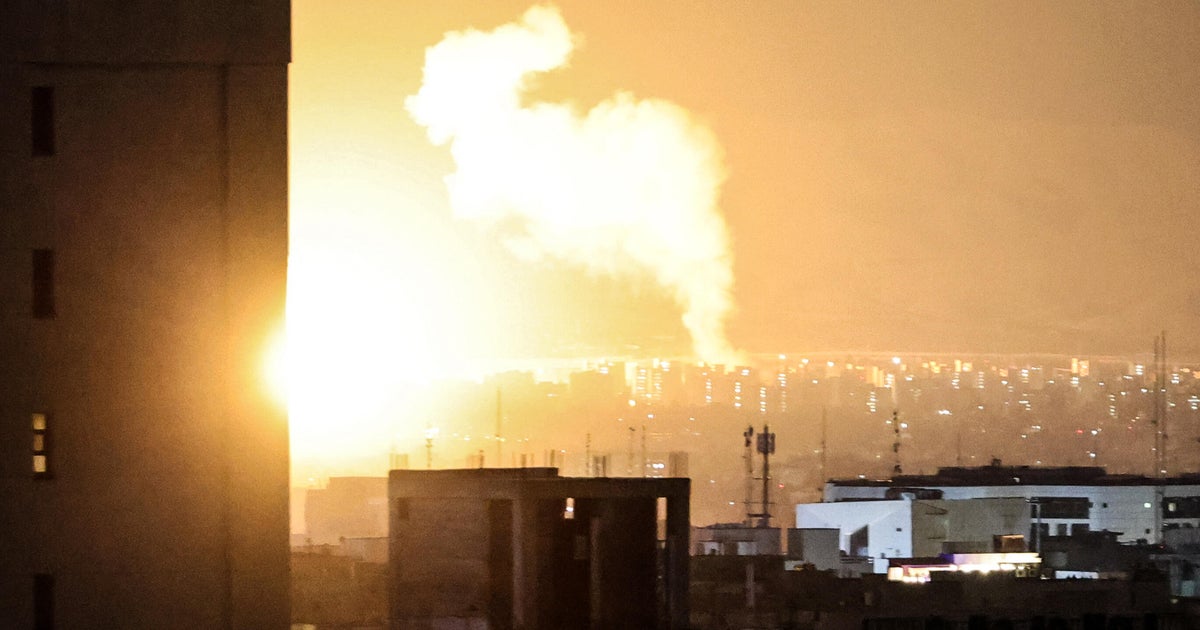
U.S.-Israeli joint military operations have escalated into sustained strikes on Tehran and Beirut, with Israeli forces claiming destruction of a bunker linked to Iran's supreme leader and more than 80% of Iran's air defenses degraded while Iran continues missile and drone attacks across the Gulf; Iranian authorities report over 1,200 killed. The campaign has disrupted air travel and shipping through the Strait of Hormuz, prompted NATO to heighten missile defenses and Gulf states to intercept multiple drones, creating acute energy, logistics and geopolitical tail risks that warrant defensive portfolio positioning.
Market structure: Immediate winners are energy producers and defense primes; losers are airlines/cruise, regional tourism, and EM sovereigns exposed to Gulf transit. Expect Brent/WTI volatility to spike; a realistic near-term move is +15–30% in oil within 2–8 weeks if Gulf shipping incidents persist, pushing inflation prints and compressing real yields (10y T down ~20–50bp) and lifting gold +5–15%.
Risk assessment: Tail risks include a Strait of Hormuz closure or NATO escalation (low probability, high impact) that could send Brent >$150 and force global growth downgrades. Time windows: days—operational disruption and volatility; weeks–months—earnings and capex repricing in energy/defense; quarters—structural supply gaps from underinvestment. Hidden dependencies: insurance premiums, ship re-routing cost pass-through, and sanction regimes that can suddenly curtail trade lanes and corporate access to dollars.
Trade implications: Favor energy equities/ETFs and select defense names while shorting travel/leisure and regional airlines. Use options to express convexity: 1–3 month call spreads on energy and 3–6 month collars on defense. FX: expect USD safe-haven bid (1–2% vs EM baskets) and EM credit spreads to widen 50–200bp; buy selective sovereigns (GCC) and short high-beta EM.
Contrarian angles: Consensus assumes sustained war premium; what’s missed is depleted global spare oil capacity and multi-year underinvestment—this supports a longer energy rally even if hostilities ebb. Conversely, defense stocks may already price a large portion of upside; look for dispersion (small-cap oil services and tanker owners may be under-owned). Unintended consequence: a sustained oil shock could tip major economies into recession, creating a late-cycle rotation into real assets (gold, miners) and long-dated inflation hedges.
AI-powered research, real-time alerts, and portfolio analytics for institutional investors.
Request TrialOverall Sentiment
strongly negative
Sentiment Score
-0.80
