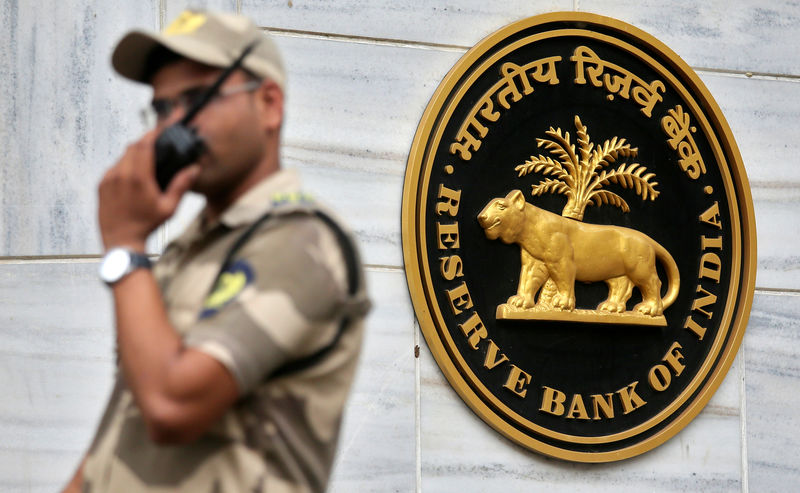
The Reserve Bank of India left its repo rate unchanged at 5.25% and held a neutral stance, but cut FY GDP growth to 6.6% from 6.9% and raised CPI inflation expectations to 5.1% from 4.6%. The central bank cited higher oil prices tied to the Middle East war, a weaker monsoon, and softer external demand as key headwinds. The move is likely to reinforce pressure on the rupee and keep policy expectations cautious.
The key market implication is not the hold itself, but the regime shift from a carry-friendly, domestically anchored India story to a macro-dependent one. Higher oil, weaker food supply, and a softer growth path widen the odds that real rates stay restrictive for longer, which is usually a headwind for rate-sensitive domestic cyclicals and a tailwind for defensive quality balance sheets. The more important second-order effect is FX: persistent oil stress tends to bleed through the current account before it shows up in growth, so INR volatility can become the transmission mechanism that tightens financial conditions even without another policy move.
Banks and NBFCs are the clearest near-term losers if credit demand slows and delinquency trends lag the macro deterioration by one or two quarters. The market often underprices this because loan growth is visible immediately while credit costs are a delayed variable; that creates a window where earnings estimates still look intact even as underwriting risk is rising. Conversely, upstream energy exposure and select exporters benefit from a weaker rupee, but the trade is cleaner in equities with low domestic input costs and dollar revenue rather than in broad India beta.
The consensus may be overestimating how quickly India can absorb another oil shock without pressure on consumer inflation and the trade balance. If inflation expectations re-anchor higher, the RBI’s neutrality can become functionally restrictive, extending the period of multiple compression for high-duration sectors. The reversal trigger is straightforward: either a de-escalation in Middle East risk or a materially stronger monsoon would relieve food and FX pressure and let the market re-rate domestic beta quickly.
Near term, the setup favors a defensive positioning bias rather than outright bearishness. The best risk/reward is in relative value: short India rates-sensitive names versus long USD earners. For absolute longs, the cleaner expression is through exporters or energy-linked cash generators rather than consumer discretionary or levered financials.
AI-powered research, real-time alerts, and portfolio analytics for institutional investors.
Request DemoOverall Sentiment
mildly negative
Sentiment Score
-0.35
