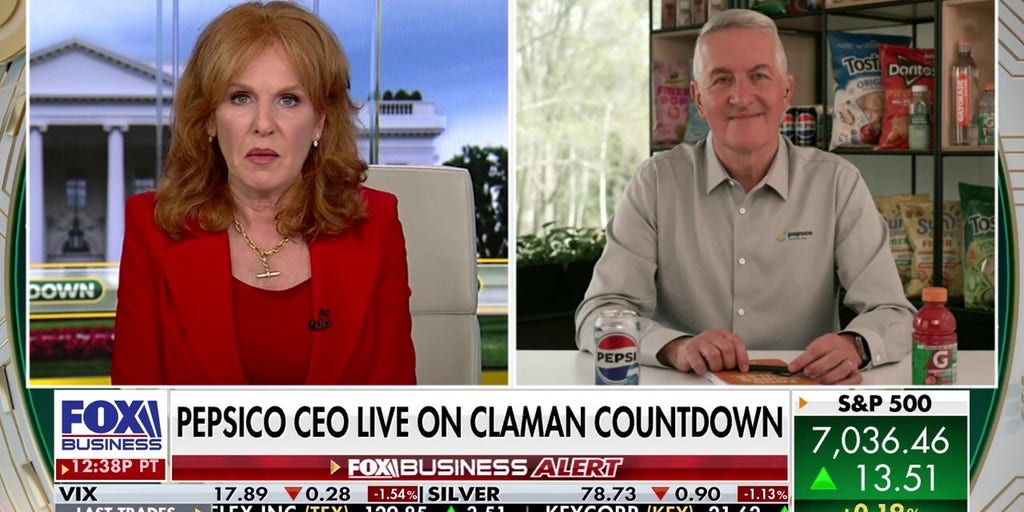
The provided text contains only channel programming and schedule information, with no financial news content, corporate event, or market-moving development to analyze.
This is effectively a non-event from a market microstructure standpoint: pre-dawn programming grids do not create earnings, flows, or policy catalysts, so the immediate winner is the absence of a tradable headline. The only real takeaway is that attention is being allocated to low-signal filler content, which usually means the tape is waiting for a macro or company-specific catalyst rather than pricing one in advance.
The second-order effect is on media inventory, not equities. If anything, this kind of scheduling underscores that ad-supported linear TV remains a mature, low-growth cash-flow asset where small changes in audience retention matter more than content mix; the investable angle would be against any assumption that channel lineup changes can move the needle on valuation. For broader portfolios, the signal is that there is no fresh sector read-through, so forcing a trade here is likely negative expectancy.
From a risk perspective, the only catalyst is the possibility of later breaking news displacing the normal schedule, which would make the current setup obsolete within minutes. Time horizon is therefore intraday to same-day only, and even that is weak. Consensus should not overfit this as an indicator of consumer demand, advertising trends, or political positioning; it’s simply operational noise.
The contrarian view is that the absence of meaningful content is itself the information: when the news flow is this thin, volatility is more likely to be driven by positioning and macro releases than by media headlines. That favors staying nimble and avoiding eventless beta exposure until a real catalyst appears.
AI-powered research, real-time alerts, and portfolio analytics for institutional investors.
Request DemoOverall Sentiment
neutral
Sentiment Score
0.00
