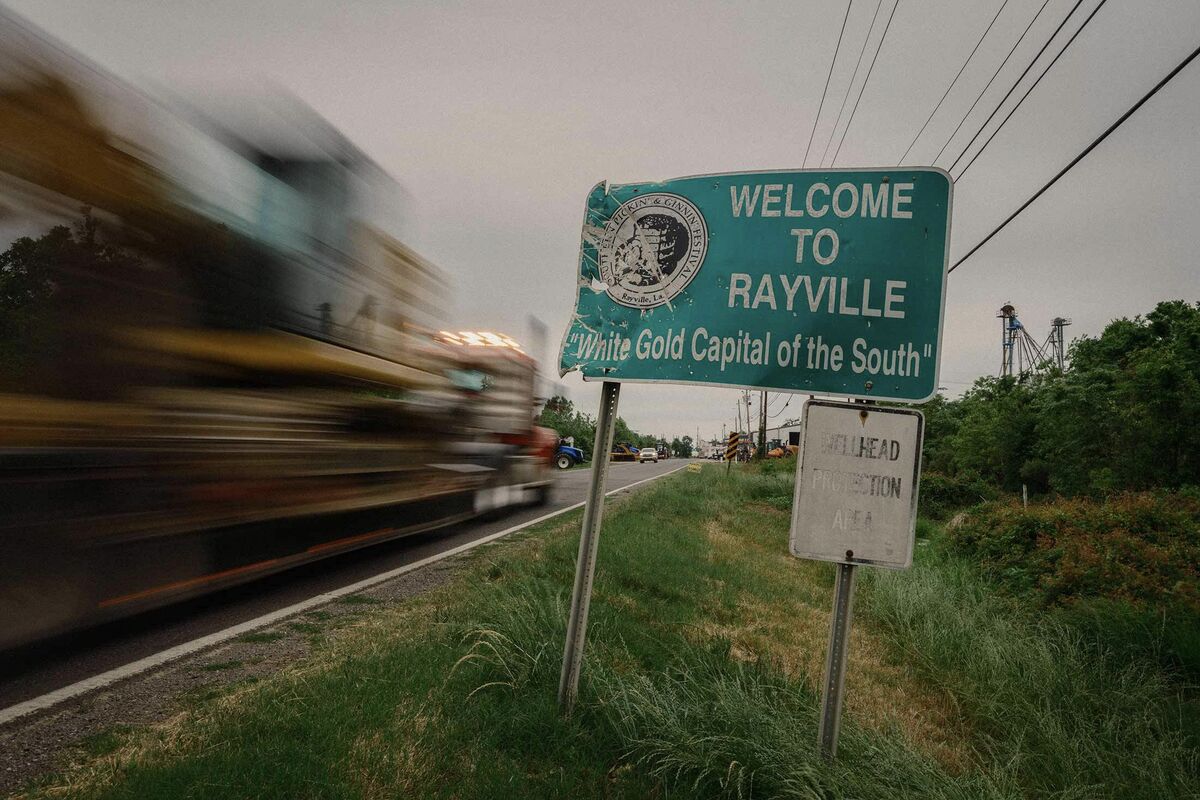
Meta plans to build its largest data center yet in rural Louisiana, a facility described as roughly the size of 3,000 football fields. The project underscores the company’s push to close the AI gap, but the article is mainly focused on whether the local community will benefit from the investment. Market impact appears limited because this is a strategic update rather than a financial result or policy change.
This is less about near-term AI product revenue and more about a multi-year capacity arms race that can quietly re-rate META’s cost structure. If the build-out is executed cleanly, the option value is not just inference capacity but bargaining power across power, fiber, construction, and semicap vendors—large projects like this tend to force local utility and state incentives that lower the marginal cost of future expansion. The market is likely underpricing the second-order benefit: a moat built from physical bottlenecks, not just model quality.
The real risk is execution drag. Mega-campus projects often slip 12-24 months from permitting, grid interconnect, labor, and equipment bottlenecks, and every quarter of delay matters because AI capex has a compounding advantage for faster movers. If capex rises faster than monetization, META can look “behind” for longer even while investing ahead, which keeps multiple compression risk alive over the next 2-4 quarters.
The broader winners are likely the upstream infrastructure names rather than META itself: power equipment, cooling, electrical components, and regional utilities with load-growth visibility. Conversely, any supplier with a concentrated exposure to hyperscale demand may see estimate upgrades, but the better trade is on the picks-and-shovels basket rather than the single headline recipient. The contrarian angle is that the market may already know META has to spend aggressively; what it may not have priced is how much of the economic value leaks to contractors and regulated utilities before a meaningful revenue payoff shows up.
If the project triggers state-level incentives or cheap power agreements, META’s long-duration earnings power improves, but that benefit likely accrues slowly and is hard to model with confidence. That creates a window where the stock can trade on capex anxiety even as the strategic logic strengthens. The cleanest expression is to own the infrastructure beneficiaries and avoid paying up for the platform name until there is clearer evidence that incremental AI spend is improving monetization rather than just raising depreciation.
AI-powered research, real-time alerts, and portfolio analytics for institutional investors.
Request DemoOverall Sentiment
neutral
Sentiment Score
0.05
Ticker Sentiment
