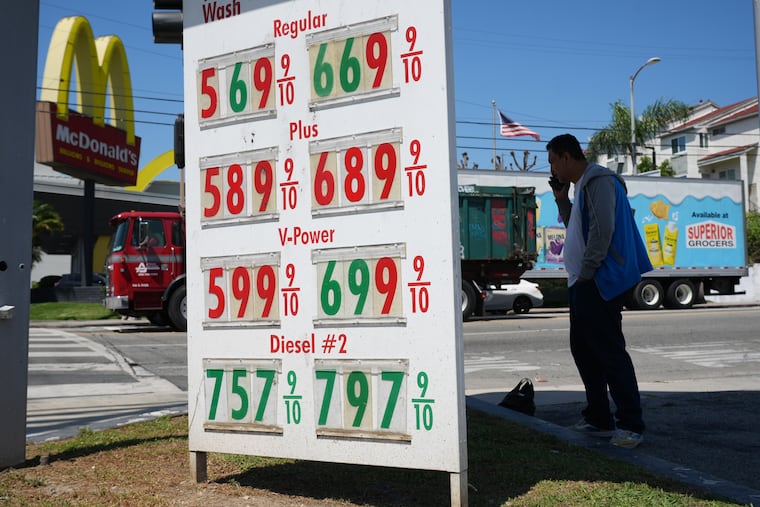
Oil markets are again under severe geopolitical stress, with Iran’s effective closure of the Strait of Hormuz disrupting roughly 15 million barrels per day, or about 15% of global daily oil production. The article argues the U.S. and world economies are more resilient than in the 1970s due to efficiency gains, diversification, and strategic stockpiles, but transportation fuel prices remain exposed and inflation risks are rising. It also notes policy changes under President Trump that weaken fuel-economy and EV incentives, potentially slowing further insulation from oil shocks.
The key market implication is that this is less a headline-driven energy spike than a transportation-cost tax that filters through with a lag. Because the U.S. no longer burns oil in power generation and has a much larger domestic supply base, the direct macro hit is smaller than in the 1970s; the vulnerable channel is now freight, aviation, petrochemicals, and fertilizer-linked food costs. That means the first-order winners are upstream energy, but the second-order winners are rail, pipelines, and domestic refiners with advantaged crude slates, while the biggest losers are logistics-heavy retailers, airlines, and consumer discretionary names with low pricing power.
The more interesting asymmetry is inflation persistence versus growth shock. Even if spot oil mean-reverts, a sustained premium in diesel and jet fuel can keep headline CPI sticky for several months and force central banks to stay tighter for longer, especially if services inflation is already decelerating only gradually. That creates a regime where “bad growth / stubborn inflation” hurts duration-sensitive equities twice: lower margins from input costs and a higher discount rate. The article’s most important second-order point is that policy is now moving in the wrong direction on EV incentives and fuel efficiency, which raises the ceiling on future oil demand and reduces the speed of any demand-side relief.
Contrarianly, the market may be underestimating how much strategic stockpiles and non-OPEC supply can cap the upside after an initial panic. If the Strait disruption is temporary or partially offset by reroutes and coordinated reserves releases, the crude spike could fade faster than implied volatility, creating an attractive fade in crude-linked equity beta after the first 2-4 weeks. The bigger medium-term trade is not a permanent oil bull market; it is a dispersion trade between energy beneficiaries and the broader transport/consumer complex as margins reset unevenly.
AI-powered research, real-time alerts, and portfolio analytics for institutional investors.
Request DemoOverall Sentiment
mildly negative
Sentiment Score
-0.15
