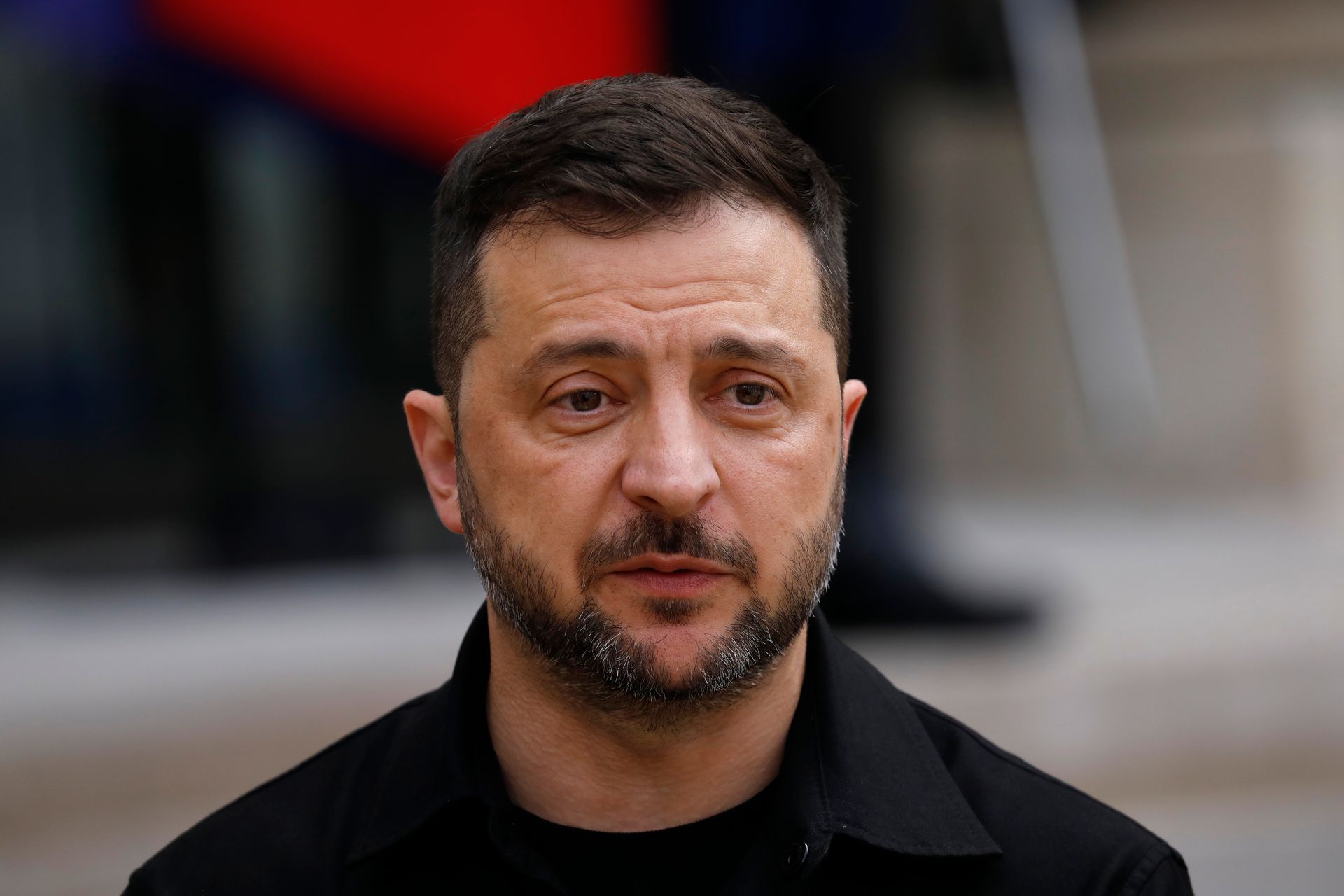
Ukraine said it has liberated 590 square kilometers of territory since the start of the year, a signal of improving battlefield momentum and stronger negotiating leverage. Zelensky said intensified sanctions and Russian personnel losses are pushing Moscow toward diplomacy, while Ukraine is coordinating with the E3 and waiting for a U.S. update on peace-talk formats. U.S. Secretary of State Marco Rubio said talks remain unfruitful and are effectively on pause.
The market takeaway is not that peace is imminent, but that the battlefield narrative is still shifting in Ukraine’s favor enough to sustain Western political cover for sanctions and military aid. That matters because it prolongs a regime where European defense procurement, air defense, EW, drones, and munitions remain structurally under-supplied; the second-order winner is not just primes, but the entire replenishment chain from energetics to power systems and battlefield comms. The more Kyiv can demonstrate incremental gains, the harder it becomes for wavering European capitals to argue for bargain-basement negotiations or sanctions relief.
The bigger implication is on Russia’s optionality. If the perception hardens that Moscow cannot improve its position cheaply, then diplomacy becomes a tool to freeze losses rather than lock in gains; that typically increases the probability of a prolonged pause rather than a clean settlement. In that scenario, the most vulnerable assets are the ones pricing a quick normalization of European energy flows, industrial gas margins, and freight routes. Conversely, defense and sanctions-enforcement beneficiaries have a multi-quarter tailwind because procurement cycles and export-control regimes tend to outlast headline ceasefire optimism.
The contrarian point is that optimism around talks can be a trap for complacency: a stalled negotiation process often reduces near-term escalation risk without meaningfully improving medium-term supply conditions. That means defense multiples can stay supported even if the front line stops moving, while energy and European cyclicals may be vulnerable to any headline-driven squeeze higher in risk assets. Near term, the key catalyst is whether the U.S. formalizes a framework for talks; if it does not, the market should continue to price a longer war of attrition rather than a settlement premium.
AI-powered research, real-time alerts, and portfolio analytics for institutional investors.
Request DemoOverall Sentiment
mildly positive
Sentiment Score
0.15
