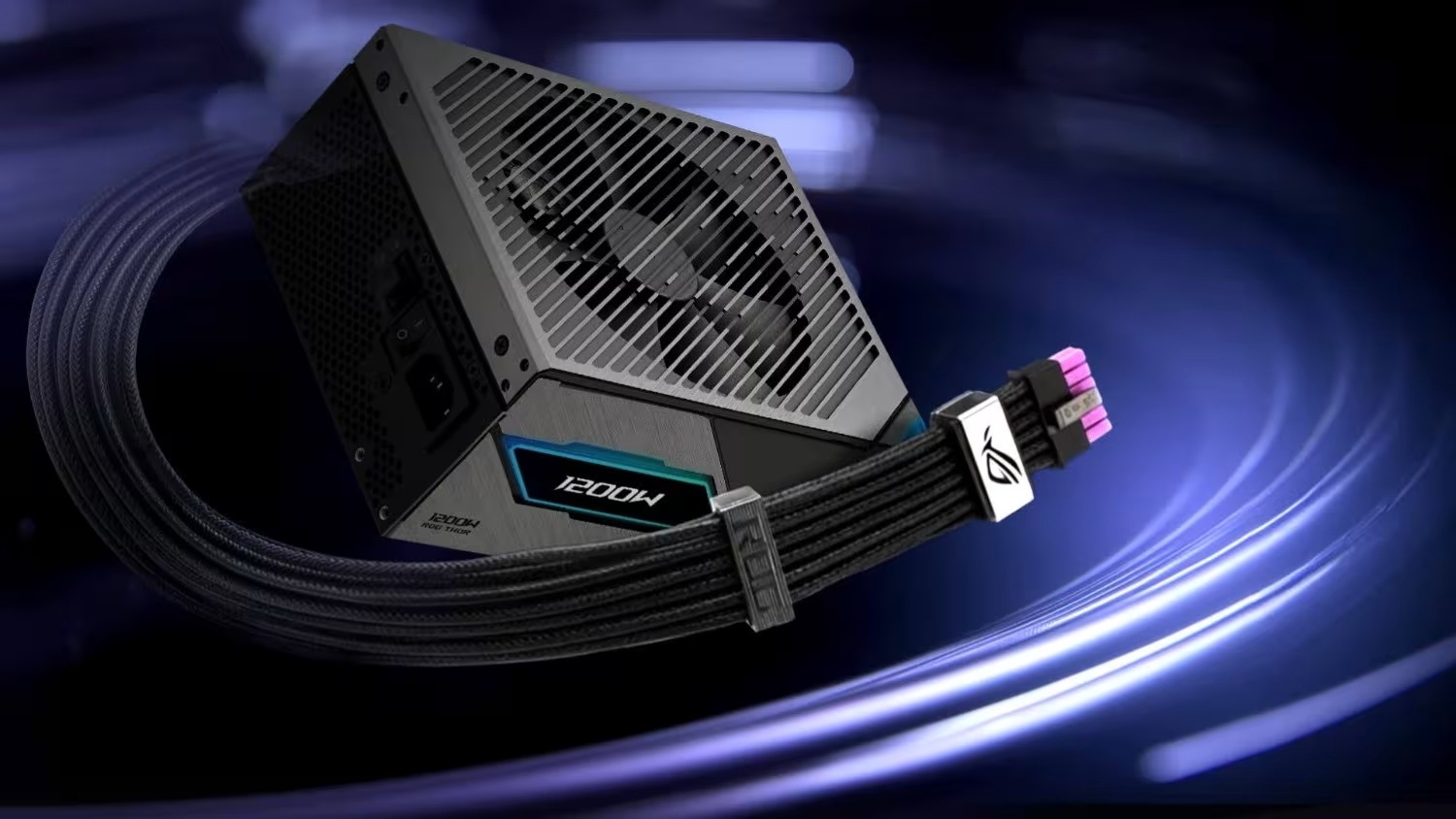
ASUS has begun selling its ROG Equalizer 12V-2x6 PCIe power cable for $49.99, near the earlier $41 estimate, and the accessory is already out of stock. The cable is designed to reduce overheating and melting risks for 16-pin GPU power connectors by balancing load across wires, with early testing showing about a 9C temperature drop versus a standard cable. ASUS plans to bundle it with 2026 ROG Thor III and ROG Strix Platinum PSUs starting in Q2 2026.
This is less a consumer accessory story than an early signal that the 12V-2x6 reliability issue is becoming a monetizable premium feature set. The first-order winner is any PSU vendor that can credibly attach a “safety + monitoring” narrative to high-wattage platforms; that should support ASPs and reduce commoditization in the ATX 3.1 / PCIe 5.1 upgrade cycle. The second-order loser is the standalone cable/adapter aftermarket, because once PSU bundles normalize, third-party add-ons lose both distribution and the trust premium that came from being perceived as a fix.
The bigger implication is that GPU demand elasticity at the top end may actually be constrained by perceived power-delivery risk, not only price. For RTX 5080/5090-class buyers, a $50 add-on is trivial versus the cost of a damaged card and downtime, so attach rates can be surprisingly high until bundling absorbs the pain point. That favors incumbents with premium PSU and board ecosystems, while smaller brands that lack integrated protection features may see a modest mix shift away from their high-margin enthusiast SKUs over the next 2-3 quarters.
The contrarian view is that this is not a broad “GPU safety” secular issue; it is a narrow failure-mode patch that could fade quickly if OEM PSU bundling becomes standard and cooler/board vendors redesign around the connector. If adoption is faster than expected, the aftermarket opportunity may peak within one product cycle, and today’s scarcity premium could mean-revert. The real trade is not the cable itself, but who captures the ecosystem margin from making high-wattage GPUs feel “safe enough” for mainstream enthusiasts.
Catalyst timing matters: the next leg likely comes on PSU refresh announcements into 2026 and any fresh wave of connector failures over the next 1-6 months. If reported incidents roll over while bundled adoption rises, the narrative shifts from crisis mitigation to feature parity, compressing the value of any standalone safety solution.
AI-powered research, real-time alerts, and portfolio analytics for institutional investors.
Request DemoOverall Sentiment
neutral
Sentiment Score
0.10
