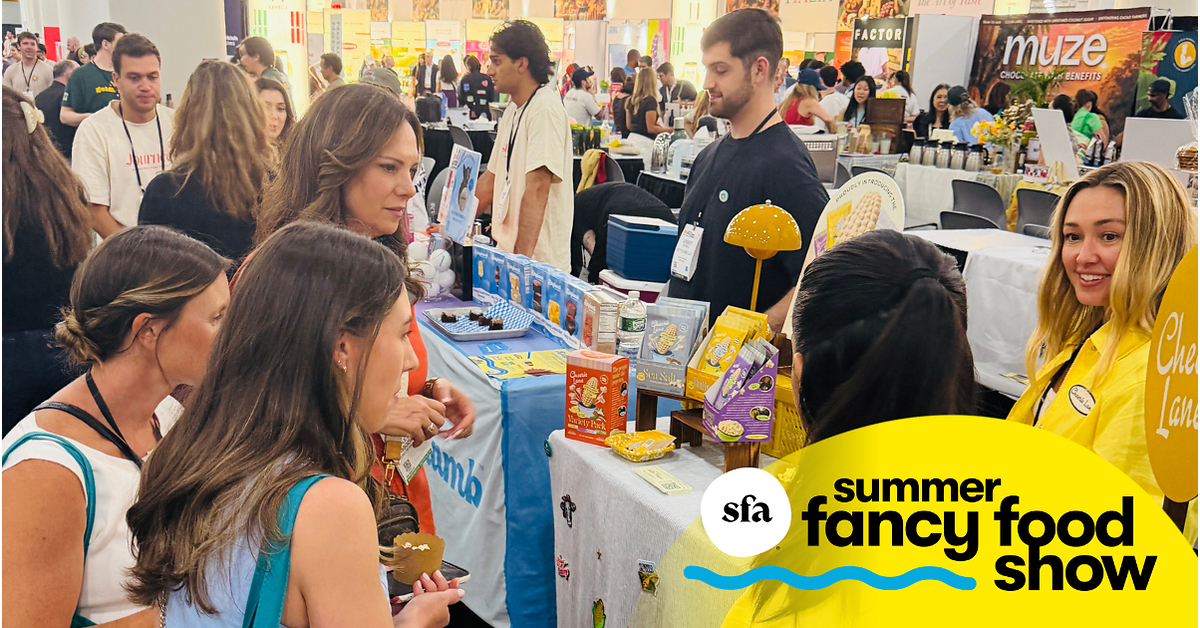
The Summer Fancy Food Show expanded to over 345,000 sq. ft. (largest footprint in six years) and delivered 9,100 registered buyers, up 8% vs. 2025. The show featured 2,529 exhibitors with 700+ product debuts and 421 new exhibitors (most since 2019), plus 31 international pavilions (+29% over 2025). SFA also reported donating 70,000+ pounds of specialty food via its City Harvest program and highlighted AI optimization and other innovation themes across sessions and pavilions.
This reads more like a distribution-and-discovery check than a hard demand signal. The economic value is not in the event itself; it is in which channels can convert small-brand attention into shelf space, menu placements, and repeat orders fastest. That favors platform businesses with buying power and broad account coverage more than the exhibitors themselves, because they can use the innovation funnel to refresh assortment without taking much inventory risk.
Aramark is the cleaner beneficiary on a 1-3 month horizon: foodservice operators can weaponize differentiated products to defend retention and lift menu mix, but the impact is indirect and likely modest until you see actual contract wins or menu rollouts. Walmart also gains optionality, but only if it can absorb emerging brands without sacrificing turn rates; the real upside is better basket composition, not immediate revenue. The more important second-order effect is pressure on mid-tier legacy CPG and broadline distributors that fail to become the default route-to-market for the next generation of specialty brands.
The contrarian issue is that buyer attendance and booth traffic often overstate near-term sell-through. This becomes tradable only if retailer reorders, foodservice launch cadence, or distributor inventory turns improve in the next two quarters. If consumer trade-down reaccelerates, premium specialty SKUs could stall despite the upbeat tone; that would make this a positioning story rather than a fundamentals story. Falsifier: no visible pickup in ARMK client innovation commentary or WMT grocery mix by the next earnings cycle.
AI-powered research, real-time alerts, and portfolio analytics for institutional investors.
Request DemoOverall Sentiment
mildly positive
Sentiment Score
0.25
Ticker Sentiment
