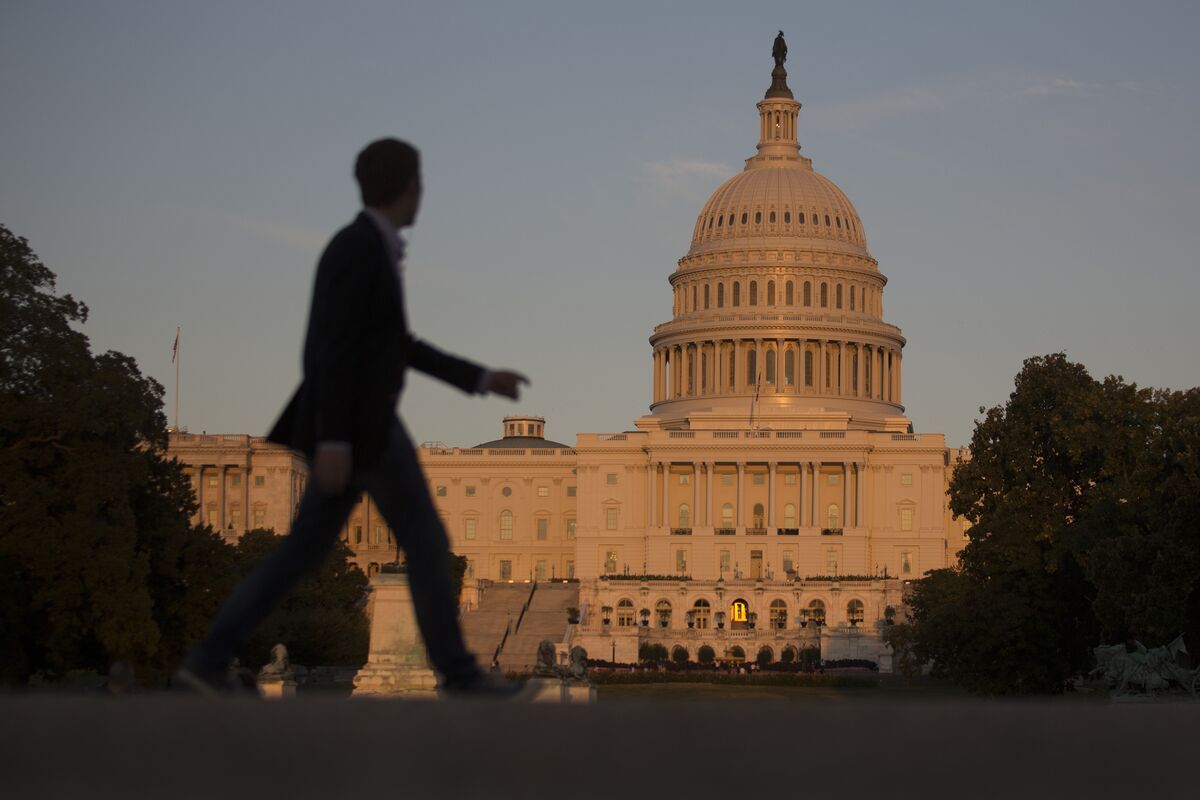
Democrats are increasingly embracing a strategy to risk a U.S. government shutdown by October 1, primarily by leveraging health-care funding negotiations. This move aims to challenge the president's agenda and increase their political visibility, potentially introducing significant market uncertainty as the deadline approaches.
The risk of a U.S. government shutdown by October 1 is increasing, driven by a strategic decision from the Democratic party to leverage budget negotiations as a means to challenge the president's agenda and gain political visibility. The confrontation is centered on health-care funding, which is being used as the primary point of contention. This political brinkmanship introduces significant fiscal uncertainty and a headwind for markets, a conclusion supported by the strongly negative sentiment score (-0.6) and a moderate market impact score of 0.6. As the deadline approaches, investors should anticipate heightened market volatility directly tied to developments in these fiscal and political negotiations in Washington.
AI-powered research, real-time alerts, and portfolio analytics for institutional investors.
Request DemoOverall Sentiment
strongly negative
Sentiment Score
-0.60
