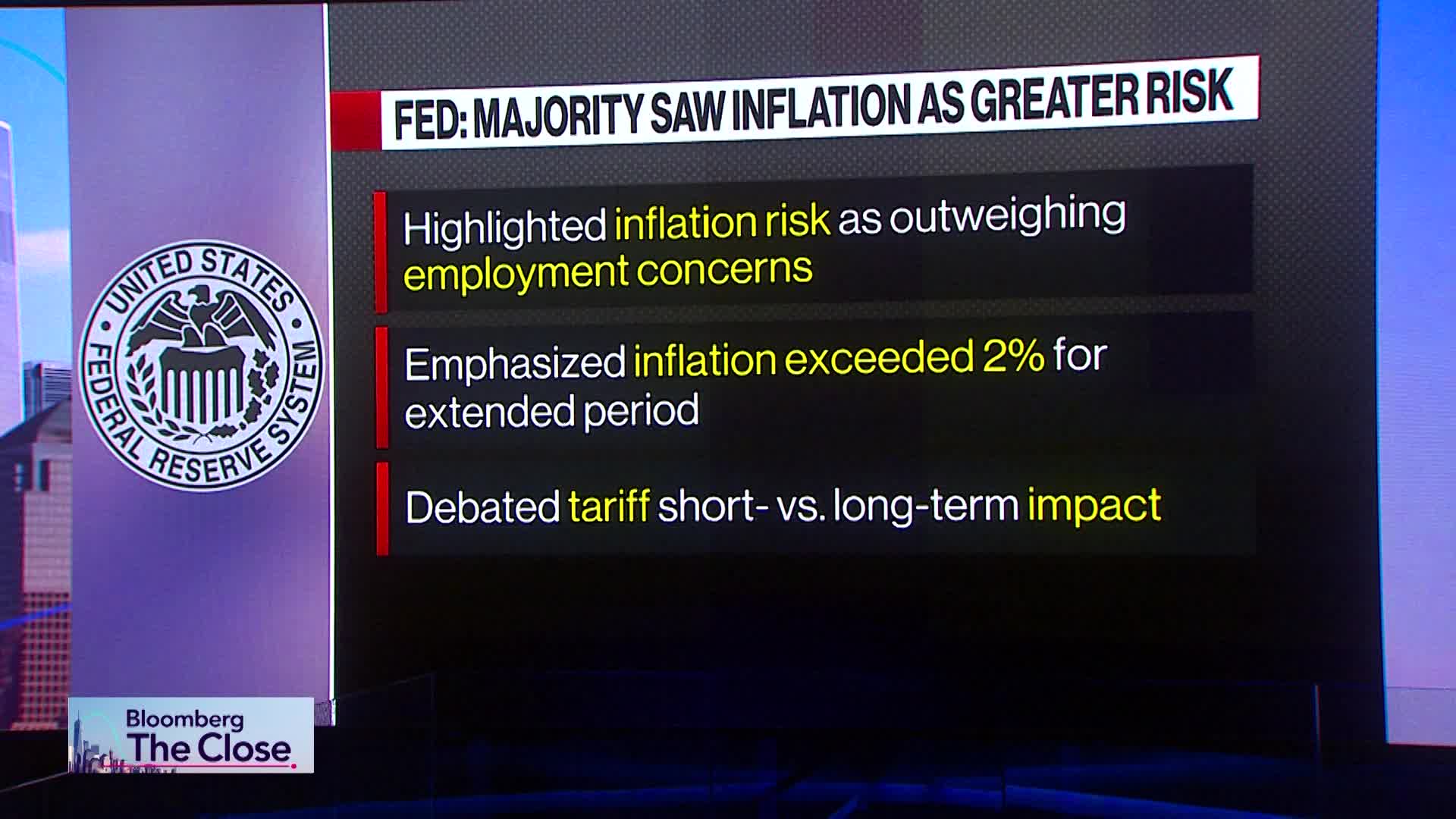
BNY's Reinhart indicates that the recent disinflationary trend appears to have stalled, signaling potential implications for central bank monetary policy and the broader economic outlook. This assessment suggests that market participants may need to reevaluate expectations for interest rate paths if inflation proves more persistent than previously anticipated.
According to Vincent Reinhart of BNY Mellon, the recent trend of disinflation appears to have stalled, a significant observation that challenges the market's prevailing expectations for a smooth decline in price pressures. This assessment suggests that inflation may prove more persistent than anticipated, which carries direct implications for central bank monetary policy. A halt in disinflationary progress would likely compel monetary authorities to maintain a restrictive policy stance for an extended period, potentially delaying or diminishing the scope of expected interest rate cuts. The high market impact score of 0.7 underscores the gravity of this view, indicating that a shift in the inflation narrative could trigger a significant repricing of assets, particularly those sensitive to interest rate expectations.
AI-powered research, real-time alerts, and portfolio analytics for institutional investors.
Request DemoOverall Sentiment
moderately positive
Sentiment Score
0.50
