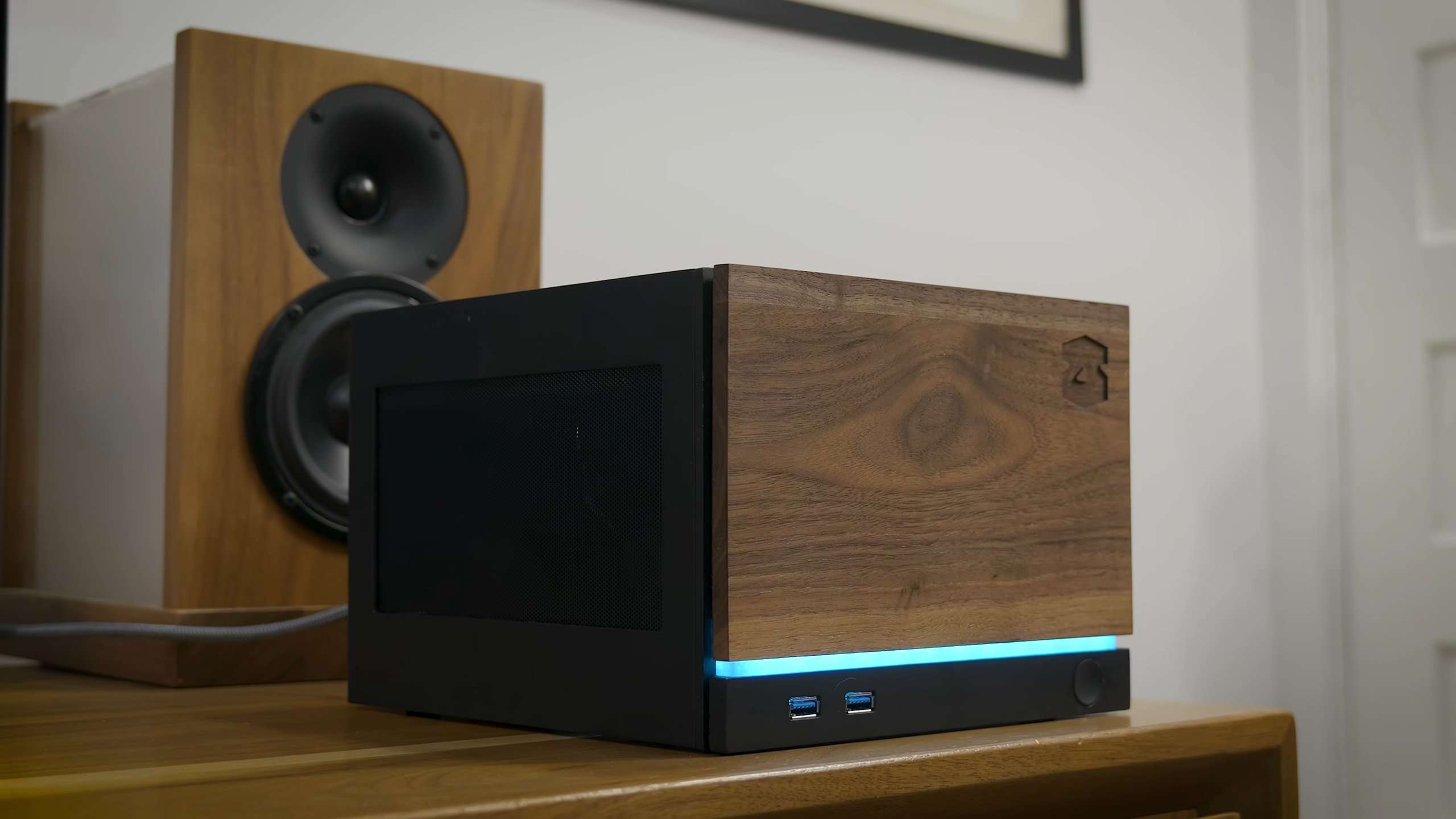
YouTuber Zac Builds assembled a custom Steam Machine-style PC for about $1,301 CAD, or roughly $950, using second-hand parts and a homemade wood-panel case. The build includes a Ryzen 5 5600X, Radeon RX 9060 XT 16 GB, 2TB SSD, and 16 GB of DDR4 memory, and reportedly achieves up to 60 fps at 4K in games like Arc Raiders, Cyberpunk 2077, and Spider-Man 2, or up to 100 fps with frame generation. The article is largely a product and tech showcase rather than market-moving news.
This is a useful signal that the “official hardware” narrative is less important than the ecosystem it catalyzes. When enthusiasts can approximate a premium living-room gaming box with second-hand components and DIY industrial design, the value migrates away from box margins and toward the attach rate: software, storefront lock-in, subscriptions, and distribution control. In other words, the bigger economic opportunity is not in selling the box itself, but in owning the user’s default gaming surface.
The second-order winner is the used-component ecosystem, not the OEMs. Any sustained appetite for compact gaming PCs should support resale values for prior-gen CPUs, motherboards, SSDs, and mid-tier GPUs, while pressuring new-build demand at the entry/mid end where value-conscious buyers can now arbitrage against “official” form factors. The more important supply-chain implication is that constrained or volatile memory pricing disproportionately hurts premium small-form-factor systems, because buyers tolerate a higher bill of materials only until a DIY substitute becomes credible.
The contrarian read is that this may actually strengthen the incumbent platform rather than weaken it. If consumers conclude the DIY path is a headache, the official appliance gains appeal as the “friction premium” product, especially if pricing lands below the psychologically important ~$900-$1,000 band. The risk window is 1-3 months around any official pricing reveal; if Valve comes in materially lower than feared, the market may re-rate the category from aspirational niche to mass-market console alternative.
From a performance standpoint, the market may be underestimating how fast GPU-heavy living-room PC demand can shift toward used and last-gen parts if the flagship product remains delayed or expensive. That would be bullish for secondary marketplaces and neutral-to-negative for vendors dependent on fresh retail mix. The key is that demand here is elastic to total system cost, not frame-rate bragging rights, so small deltas in pricing can produce outsized adoption changes.
AI-powered research, real-time alerts, and portfolio analytics for institutional investors.
Request TrialOverall Sentiment
neutral
Sentiment Score
0.15
