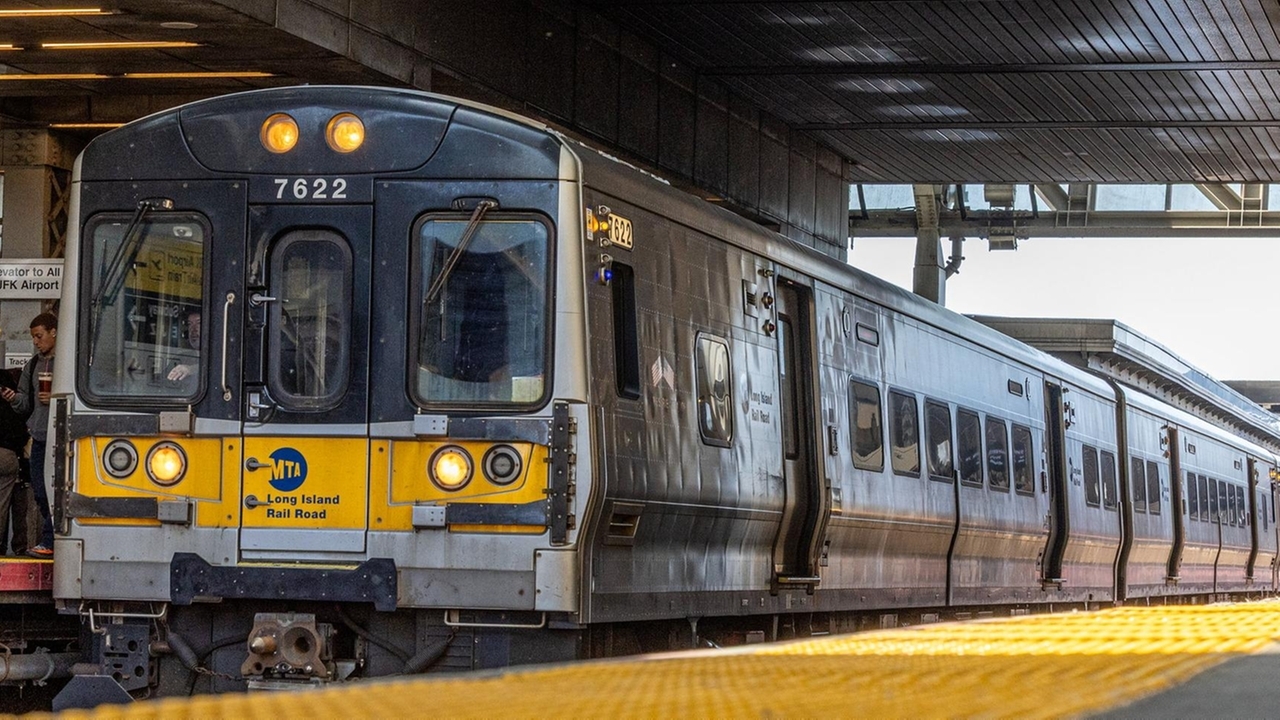
The Long Island Rail Road faces a possible strike as soon as 12:01 a.m. Saturday, with the MTA and five labor unions still deadlocked over a four-year contract that includes 14.5% wage demands. A shutdown would affect more than 270,000 weekday riders and could cost the region about $70 million in daily economic activity. Gov. Kathy Hochul is involved in the negotiations, underscoring the political stakes, but no deal has been announced.
This is a short-dated political pricing event more than a fundamental rail story. The market is likely underestimating how quickly a strike would transmit from a transit issue into a broader regional liquidity shock: same-day commuter friction hits office attendance, retail foot traffic, and service-sector productivity immediately, while the second-order effect is that employers with suburban workforces may quietly accelerate remote-policy flexibility if the labor dispute looks recurring rather than one-off.
The bigger read-through is on MTA credit and state intervention risk. A prolonged stoppage would widen headline scrutiny around New York transit governance just as the state is already balancing affordability, labor, and infrastructure spending; that raises the probability of a last-minute political compromise, which caps upside to any “strike premium” in related dislocations. In other words, the tail risk is severe over 24-72 hours, but the most likely resolution path is a negotiated deal that leaves no lasting fundamental damage beyond higher labor costs.
Second-order beneficiaries are not the transit system itself but adjacent modalities: ride-hailing, ferries, parking operators, and suburban commuter alternatives can see a temporary volume spike. On the loser side, Manhattan-dependent retailers, restaurants, and class-A office landlords absorb the initial hit, with the most exposed names being those reliant on same-day Long Island inbound traffic rather than destination tourism. Any trade should be framed as event-driven and fast-moving; the edge comes from timing, not conviction on the final contract terms.
The contrarian angle is that the strike threat may be more valuable as leverage than as an actual stoppage risk. Both sides have strong incentives to avoid a headline failure because the political blame would be asymmetric, making a deal likely before the market can fully reprice persistent disruption. That means fading extended weakness in New York-exposed cyclicals after any opening gap is probably better than chasing a multi-day downside move unless a formal strike notice is confirmed.
AI-powered research, real-time alerts, and portfolio analytics for institutional investors.
Request DemoOverall Sentiment
mildly negative
Sentiment Score
-0.25
Ticker Sentiment
