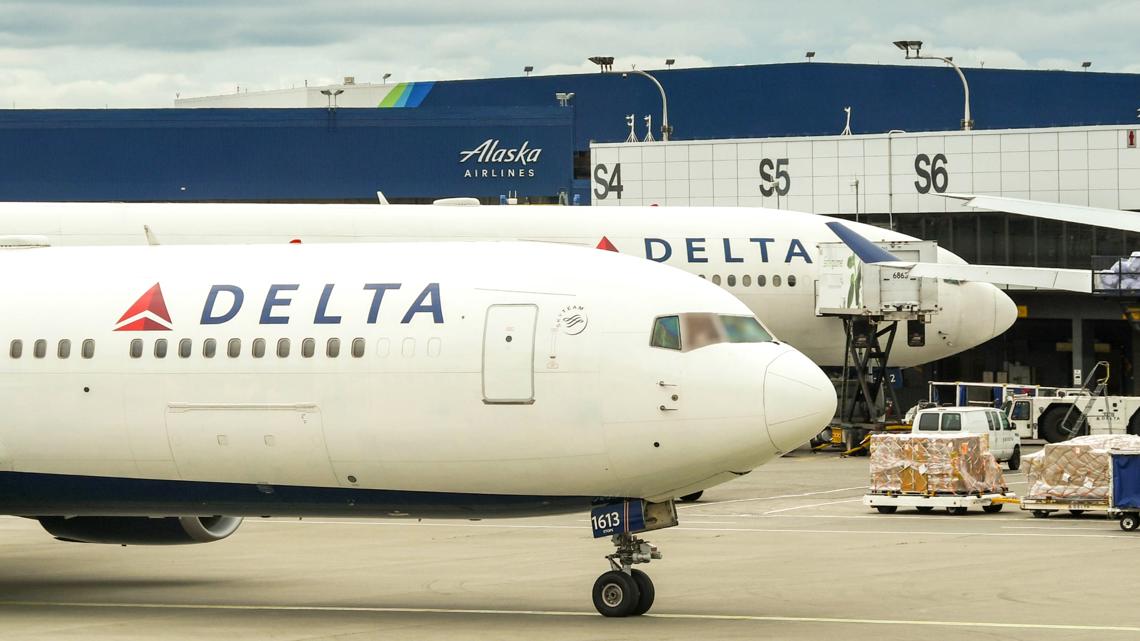
Delta warned that long‑haul flights departing Seattle through Nov. 28 may face schedule changes because a leaking jet‑fuel pipeline to Seattle‑Tacoma International Airport has limited fuel availability; passengers are urged to check status and can reissue tickets before Dec. 17 to avoid fare differences. BP crews have excavated roughly 200 feet of pipe but have not located the leak; Washington's governor issued an emergency proclamation to allow additional truck deliveries and the Port instructed inbound flights to top off, while some carriers are planning fuel stops or tankering. Operational disruption is localized and temporary but raises near‑term logistics and cost risks for airlines operating out of SEA and could modestly affect fuel delivery dynamics in the region.
Market structure: The disruption favors regional fuel carriers/tankers and refiners able to truck product into the PNW (short-term margin capture of ~1–3% on jet fuel rack prices) and penalizes carriers concentrated at SEA (higher per-flight fuel cost, increased turn times). Pricing power shifts modestly to suppliers with truck logistics and port access; passenger demand is unlikely to drop materially but airline unit costs for affected routes will rise by low-single-digit percentage points over the next 2–4 weeks. Cross-asset: expect a small bid in ULSD/heating-oil basis in the PNW, transient widening of airline credit spreads (~10–40bp on highly SEA‑exposed credits), and a bump in airline equity implied volatility of 10–25% for near-dated expiries.
Risk assessment: Tail risks include a prolonged discovery/repair (multi-week) that forces sustained tankering/diversions, environmental fines, or regulatory restrictions that could push regional fuel premia >5% and create cargo bottlenecks during peak season. Immediate impact is days-to-weeks; if repaired by Nov‑28 effects should fade by mid-December, but a missed deadline extends operational costs into Q1. Hidden dependencies: truck driver availability, port berth congestion, and holiday travel spikes; catalysts that would amplify pain are adverse weather, discovery of an extensive leak, or a refinery outage in the PNW.
Trade implications: Tactical trades should be short-duration and sized small: buy PNW jet-fuel/ULSD exposure or call spreads to capture a 1–3% price bump for 2–6 weeks; establish small airline directional and relative-value positions favoring carriers less exposed to SEA. Use options to cap risk on equities (30–45 day put spreads) and consider widening credit hedges on SEA‑heavy airline bonds if outage extends beyond 2 weeks. Rotate modestly toward integrated refiners with trucking capacity (1–3% tactical overweight) and reduce exposure to airport concession/rev‑per‑passenger levered names concentrated in SEA.
Contrarian angles: The market will likely overprice operational headlines into implied vol and fuel spreads; if leak is located within 7–10 days the moves will reverse sharply — meaning IV sells and short-dated mean‑reversion trades have positive expectancy. Historical parallels (localized pipeline outages) show fuel-basis shocks typically normalize in 2–6 weeks once trucking is mobilized; the asymmetric opportunity is in selling elevated near-dated vol and buying physical basis at the margin. Unintended consequences include carriers permanently altering routings (raising long‑haul unit costs) which would be a structural negative if outages recur seasonally.
AI-powered research, real-time alerts, and portfolio analytics for institutional investors.
Request DemoOverall Sentiment
mildly negative
Sentiment Score
-0.25
