

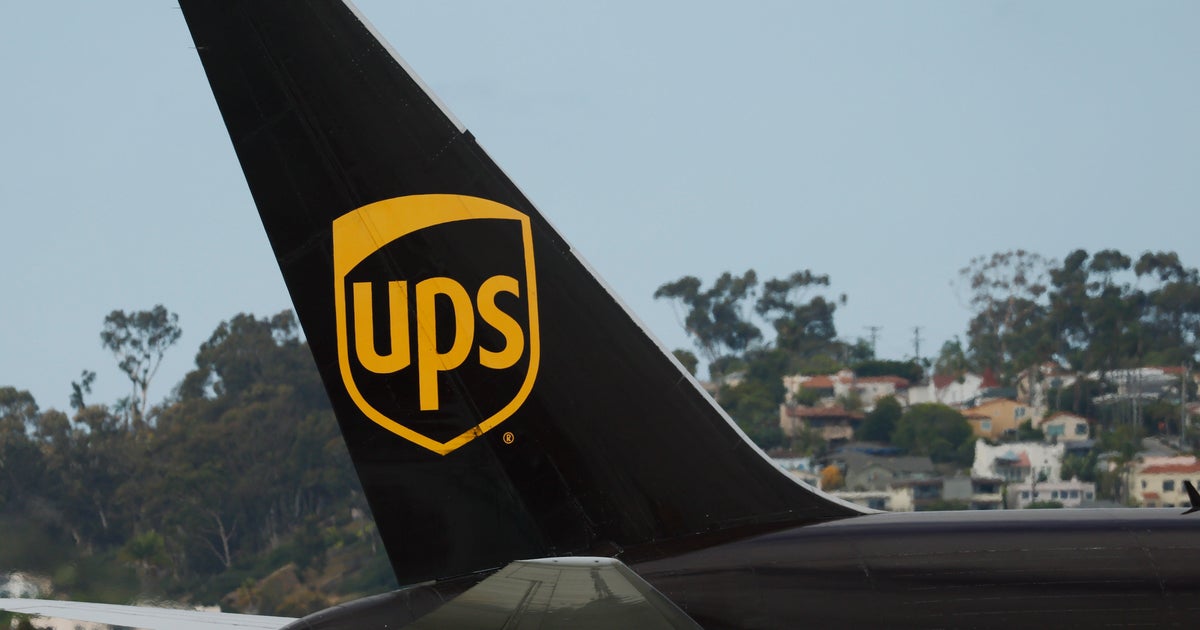
A UPS cargo flight was ordered to abort its landing at Louisville International Airport after a Labcorp aircraft moved slightly beyond hold-short markings, triggering tower alarms; the UPS jet was about 125 feet from the ground when instructed to go around. FAA data say the Labcorp plane never entered the runway and required separation was maintained, with UPS stating there was no operational impact. The incident is another near miss at the Louisville airport roughly five months after a fatal UPS cargo plane crash that killed 14 people.
This is not a direct fundamental hit to either name; it is a signal event that keeps Louisville’s airport safety regime under a microscope after a recent fatal accident. The second-order risk is reputational and regulatory rather than operational: any perception that the hub is still fragile raises the odds of slower procedures, more conservative tower decision-making, and incremental friction around nighttime cargo turns, which matters more for a hub-and-spoke integrator than for a diversified passenger carrier.
For UPS, the near-term trade is around optionality on tighter oversight, not lost volumes. A single go-around has de minimis P&L impact, but repeated incidents can become a catalyst for higher compliance costs, schedule padding, and possibly insurance scrutiny over the next 3-12 months. The bigger issue is that the market may start assigning a small but persistent “operational risk discount” to U.S. hub exposure if Louisville becomes a recurring headline.
For LH, the incident does not change the business case, but it reinforces how exposed regional air-cargo operators are to tower-flow and ground-movement mistakes at congested airports. That creates a subtle competitive advantage for carriers that can reroute quickly or operate more flexible networks, while smaller partners may face more scrutiny, delays, and higher handling costs. In that sense, the event is mildly negative for the broader cargo ecosystem but not enough to justify a large directional move unless there is a follow-on FAA action.
The contrarian view is that the market may overstate the persistence of the issue: one aborted landing is exactly the kind of event air traffic control is designed to neutralize, and the FAA’s separation language suggests no imminent enforcement action. If no further incidents occur over the next 30-60 days, this fades into noise; if there is another runway incursion or formal review, the tape can quickly reprice operational risk across cargo names tied to the same infrastructure.
AI-powered research, real-time alerts, and portfolio analytics for institutional investors.
Request TrialOverall Sentiment
mildly negative
Sentiment Score
-0.15
Ticker Sentiment
