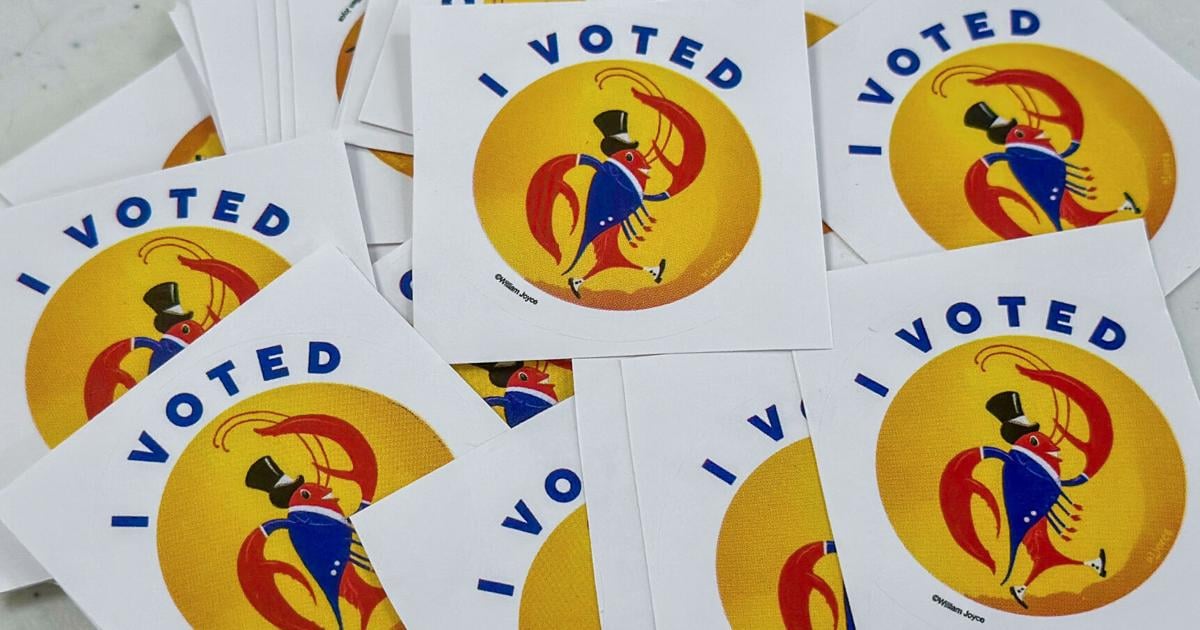
Louisiana voters are casting ballots in a statewide election that includes a closely watched Senate race and four constitutional amendments. The Secretary of State is updating results every 90 seconds for statewide, legislative, and local races as votes are counted. This is routine election coverage with no direct market-moving financial information.
The immediate market implication is not the vote tally itself but the duration of uncertainty. A contested or slow-count environment tends to suppress local risk appetite, delay municipal/project spending decisions, and keep Louisiana-specific policy optionality low until the final result is digestible. That matters most for rate-sensitive utilities, contractors, and any company with exposure to state procurement or permitting, where even a short political vacuum can push decisions back by one budget cycle.
The more important second-order effect is regulatory path dependency. A Senate outcome and the constitutional amendments will shape the probability of fiscal and tax-policy shifts that can alter the state’s competitiveness for industrial projects, energy-related investment, and insurance/legal reform. Markets usually underprice how a few votes in a low-turnout environment can reweight the odds of capex-friendly versus capex-hostile governance for 12–24 months.
From a trading standpoint, the setup is best expressed as a volatility event rather than a directional macro call. The cleanest edge is in names or baskets that benefit from policy clarity only after results are finalized, because uncertainty decay can be monetized over the next 1–5 sessions. If the outcomes favor business-friendly governance, expect a relative bid in Louisiana-exposed infrastructure, Gulf Coast logistics, and energy service proxies; if the reverse, those same names should lag broader regional peers.
The contrarian view is that the market may be overestimating the immediate economic consequence and underestimating the lag. Even a meaningful political shift will take months to translate into actual legislation, agency staffing, or procurement changes, so the first move may fade unless there is a clear narrative around taxes, permitting, or reform. The real opportunity is in positioning for the post-result policy calendar, not the headline print.
AI-powered research, real-time alerts, and portfolio analytics for institutional investors.
Request DemoOverall Sentiment
neutral
Sentiment Score
0.00
