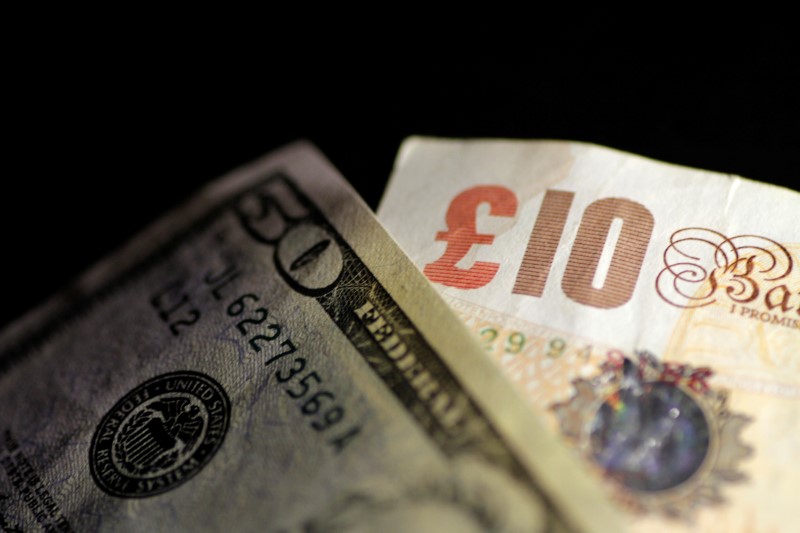
GBP/USD fell 0.3% to 1.3416 and EUR/USD slipped 0.3% to 1.1689 as renewed U.S.–Iran geopolitical तनाव and talk of a naval blockade lifted oil prices and supported the dollar. ING said the dollar has rebounded on failed peace talks, but further gains may be limited, with EUR/USD near a comfortable 1.1700 zone absent another energy spike. The article points to a risk-off FX backdrop driven by Middle East tensions and higher inflation risks from energy.
The immediate market winner is not just USD, but the subset of U.S. assets that monetize higher real rates and lower global risk premia: large-cap defensives, cash-rich tech, and commodity-linked winners that can pass through input inflation. The more important second-order effect is that higher oil acts like a tax on non-U.S. growth and an inflation impulse for Europe and Japan, which tends to widen rate differentials even if the Fed stays on hold. That creates a durable bid for the dollar in the next 1-4 weeks unless energy spikes enough to damage U.S. risk assets and force a broader de-risking. GBP looks structurally more vulnerable than EUR here because the U.K. is more exposed to imported energy costs and has less policy flexibility if inflation reaccelerates while growth softens. By contrast, EUR/USD may stay pinned in a range rather than break sharply lower unless crude makes a second leg higher; the market is likely underestimating how much positioning is already stretched short USD after the recent squeeze. The cleanest expression is not outright dollar chasing, but fading the most expensive carry-funded pro-cyclical FX exposures that rely on stable geopolitics. The geopolitical tail risk is a rapid unwind if the blockade rhetoric de-escalates or if the market concludes supply disruption is more symbolic than physical. But the more likely near-term catalyst is a feedback loop: higher crude -> higher breakevens -> firmer yields -> tighter financial conditions -> weaker cyclicals and EM FX. That should keep vol bid for several sessions to several weeks, with the move in energy more important than the headline itself. The equity names referenced in the article are promotional noise relative to the macro signal. AI/data-center winners like SMCI and APP can still work tactically if the market reverts to secular growth after the first risk-off wave, but near term they are vulnerable to multiple compression if rates back up and liquidity narrows. This is a tape where being long duration only works if you believe the oil shock fades quickly; otherwise, the better asymmetry is in shorting fragile cyclicals and overpriced FX expressions of global growth.
AI-powered research, real-time alerts, and portfolio analytics for institutional investors.
Request DemoOverall Sentiment
mildly negative
Sentiment Score
-0.20
Ticker Sentiment
