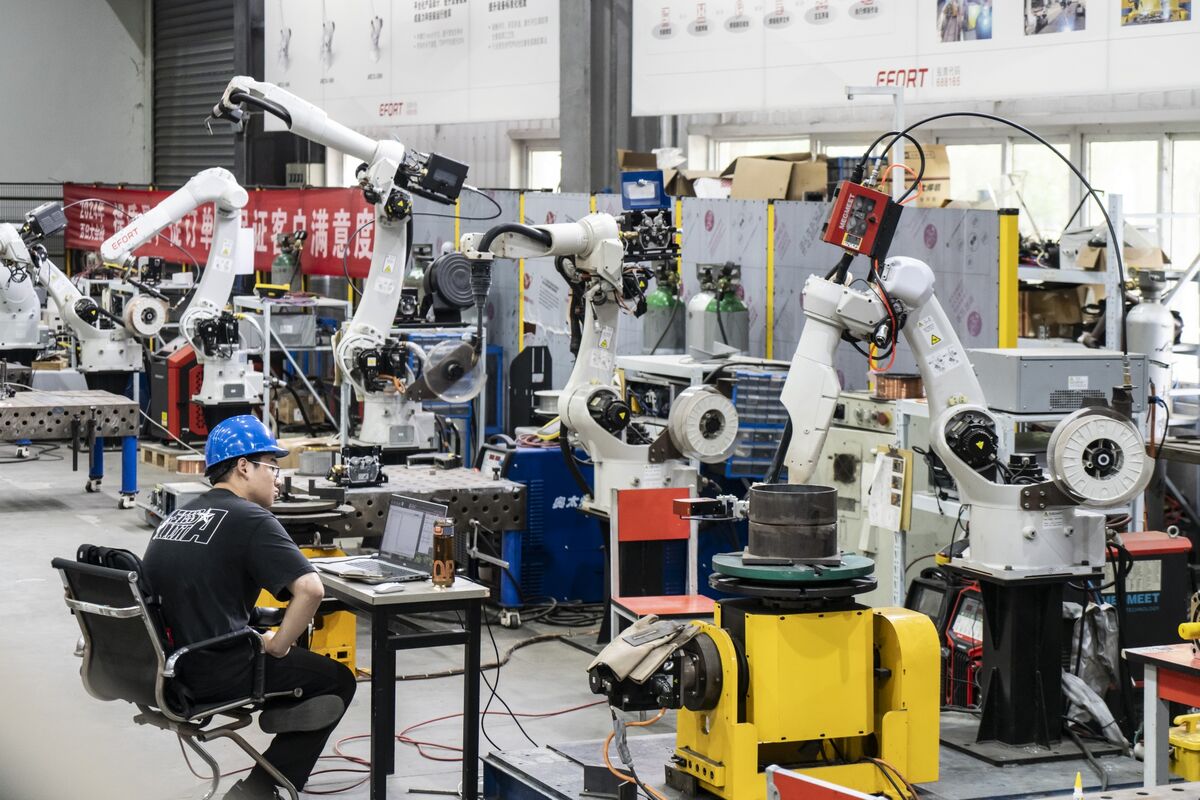
OECD data show industrial subsidies in 15 key sectors reached levels in 2023 and 2024 not seen since the global financial crisis, with China singled out as the largest provider of state support. The report warns these subsidies risk harmful market distortions and mark a structural shift in the global economy. The implications are broad for trade, industrial policy, and cross-border competition.
China’s subsidy regime is less a one-off stimulus and more a permanent bid to keep domestic capacity utilization high in sectors with chronic overinvestment. The second-order effect is margin compression well beyond China: when state-backed producers export excess capacity, the first casualties are mid-tier manufacturers in Europe, Japan, and Korea that lack either balance-sheet depth or policy cover. That tends to show up with a lag — initially as weaker export pricing, then as inventory write-downs and capex cuts over the next 2-4 quarters.
The bigger market issue is that subsidies mute the normal discipline of the business cycle. If capital keeps flowing into low-return industrial niches, the usual “bad capacity exits” don’t happen, which lengthens downcycles for global cyclicals and increases the probability of policy retaliation. Watch for rising antidumping actions, local-content rules, and procurement restrictions; those are the most likely catalysts to convert this from a margin story into a trade-flow story over months rather than days.
There is also a hidden beneficiary set: commodity processors and logistics providers that sit one step removed from the subsidy battle can gain volume even if pricing weakens. But for most listed industrials, the risk/reward skews negative because the market often underestimates how long state support can suppress competitive clearing prices. The contrarian view is that this is only bullish for the very largest, lowest-cost global incumbents with pricing power; everyone else faces a prolonged “zombie capacity” environment where earnings get revised down repeatedly before policy finally forces consolidation.
AI-powered research, real-time alerts, and portfolio analytics for institutional investors.
Request DemoOverall Sentiment
moderately negative
Sentiment Score
-0.35
