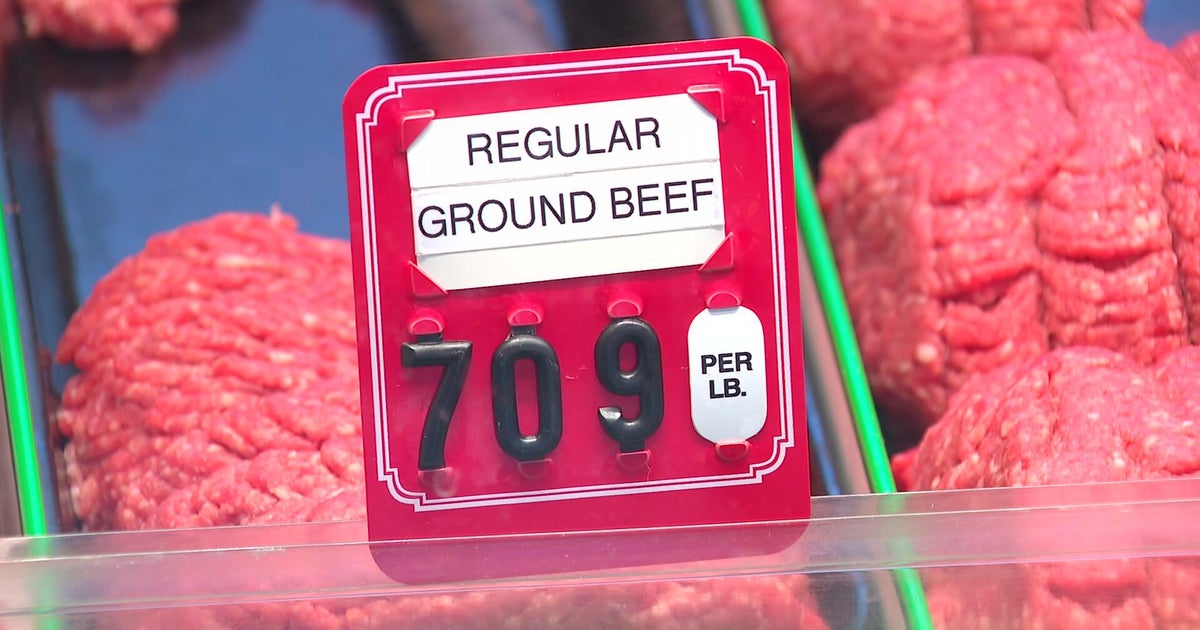
U.S. beef prices have surged nearly 14% year-over-year, primarily driven by the domestic cattle inventory reaching its lowest level since the 1960s. This critical supply reduction stems from prolonged drought conditions since 2021 and farmers' past profitability struggles, which led to significant herd contraction, while strong consumer demand for beef persists despite record prices. Experts project these elevated prices will continue for the next two to three years, potentially extending through the decade, signaling sustained inflationary pressure within the food sector and impacting consumer purchasing power.
U.S. beef prices have demonstrated significant inflationary momentum, rising nearly 14% year-over-year, driven by a structural supply-demand imbalance. The domestic beef cattle inventory has contracted to its lowest level since the 1960s, a multi-year consequence of drought conditions since 2021 and a preceding decade of poor farmer profitability that forced herd reductions. While supply has tightened critically, consumer demand remains exceptionally inelastic; despite record prices, such as ground beef jumping from $5.58 to $6.32 per pound in the past year, Americans are projected to consume more beef this year than last. Expert consensus, including commentary from Wells Fargo and agricultural economists, indicates this is not a transitory spike. Projections from the USDA and academic experts suggest elevated prices will persist for the next two to three years, and potentially through the remainder of the decade, signaling sustained margin pressure for downstream businesses like retailers and a durable component of food inflation for the broader economy.
AI-powered research, real-time alerts, and portfolio analytics for institutional investors.
Overall Sentiment
strongly negative
Sentiment Score
-0.65
Ticker Sentiment
