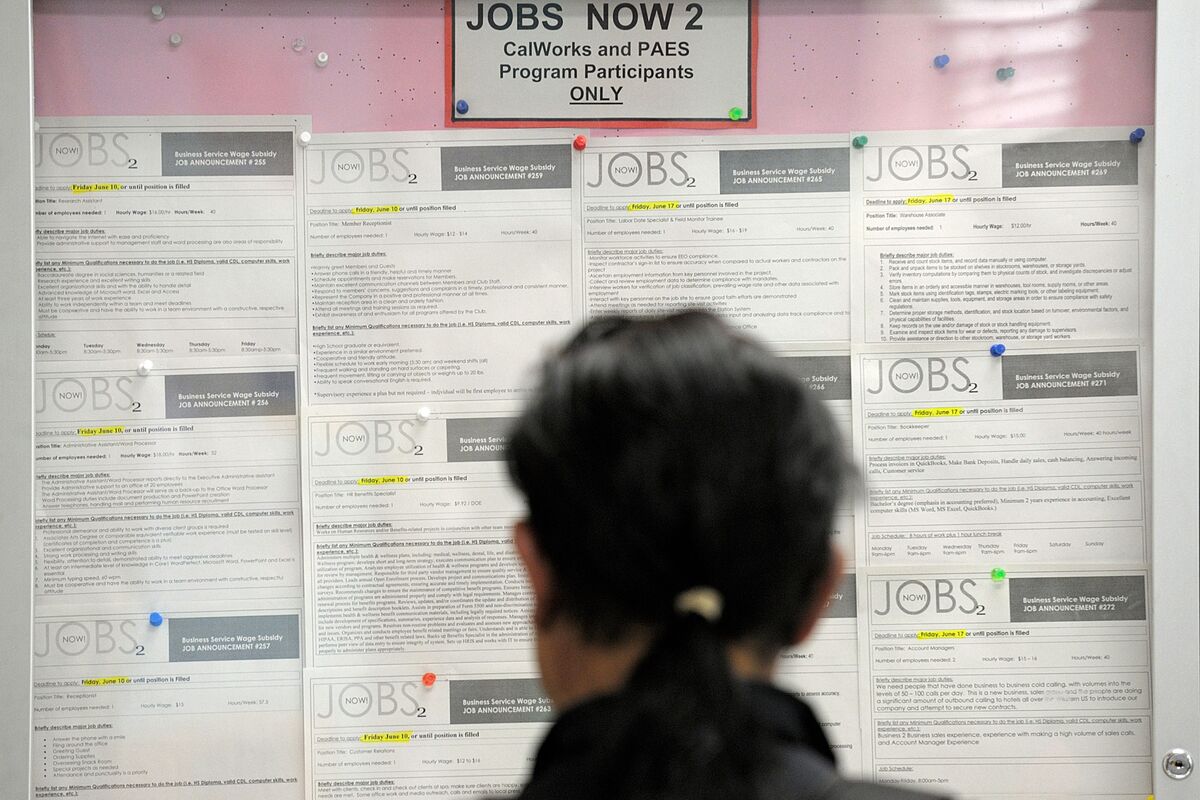
US job openings declined in July to a 10-month low of 7.18 million, significantly missing the 7.38 million Bloomberg median estimate and falling from a downwardly revised 7.36 million in June. This data point, alongside other recent indicators, signals a continued darkening of the US employment landscape, notably impacting non-cyclical sectors that had been recent drivers of growth.
US job openings declined to a 10-month low of 7.18 million in July, a figure that not only missed the median Bloomberg economist estimate of 7.38 million but also fell from a downwardly revised 7.36 million in the prior month. This data point reinforces a broader narrative of economic deceleration, complementing other recent indicators such as a six-month continuous contraction in the manufacturing sector. The most concerning aspect of the report is the source of the weakness, which stems from non-cyclical sectors that had previously been significant drivers of growth. This suggests the deterioration in the labor market, a former pillar of the post-pandemic recovery, may be more structural than cyclical, signaling a material headwind for the US economy.
AI-powered research, real-time alerts, and portfolio analytics for institutional investors.
Request DemoOverall Sentiment
strongly negative
Sentiment Score
-0.70
