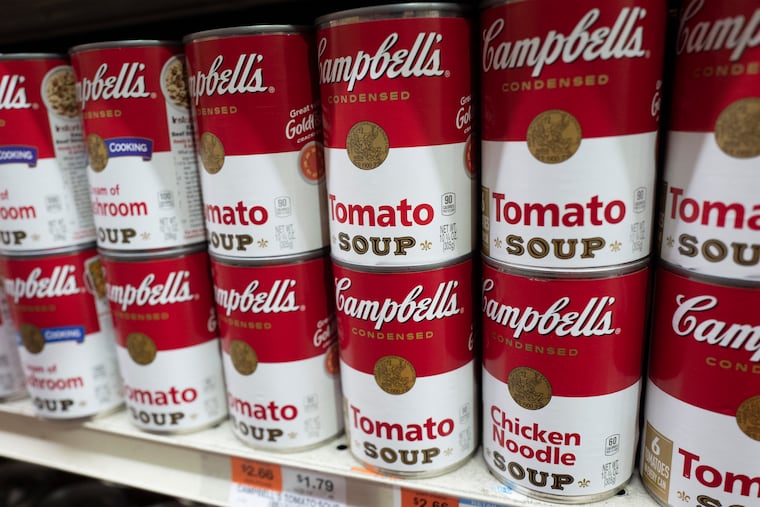
Former Campbell’s cybersecurity analyst Robert Garza filed a lawsuit in Michigan alleging he was terminated in retaliation after reporting that VP and CISO Martin Bally made racist remarks about Indian co‑workers and disparaged Campbell’s products during a November 2024 meeting that Garza says he secretly recorded. Campbell’s has placed Bally on leave and says the comments—if accurate—are unacceptable, defending its product quality; Garza reported the incident to his manager on Jan. 10 and was terminated Jan. 30 and is seeking unspecified damages. The case raises reputational, governance and S (workplace diversity/behavior) risks for the Camden‑based company but currently represents limited direct financial exposure absent further developments.
Market structure: This incident favors large diversified food names (GIS, K, NSRGY) and private‑label retailers (WMT, COST) that can capture any transient brand share loss; expect CPB to underperform peers by 2–6 percentage points over the next 1–3 months in a worst‑case reputational squeeze. Pricing power and input cost pass‑through remain intact, so revenue shocks are likely volume‑driven and localized; broad category demand for soups/snacks should remain stable within ±1% annually.
Risk assessment: Tail scenarios include a class‑action or retailer delisting that would push a 1–3% EPS hit and widen CPB 5‑year CDS by 25–75 bps (probability ~5–15% over 12 months). Immediate (days) risk = share volatility +2–6%; short term (weeks) = media/investor scrutiny and potential margin on discrete contracts; long term (quarters) = ESG score deterioration driving passive fund flows (0.3–1% AUM reweighting).
Trade implications: Tactical short bias on CPB via capped downside instruments is preferred rather than outright short stock; relative trades favor long General Mills or Kellogg vs short CPB to capture 100–300 bps of dispersion. If implied vol rises >20% vs 30‑day average, use 2–3 month put spreads (5–10% strikes) to limit capital and target 30–50% payoff on a 7–12% move.
Contrarian angles: Consensus likely overstates durability of sales damage absent retailer action — historical governance incidents in staples typically produce <5% permanent share loss and recovery in 3–9 months. Watch for decisive remediation (investigation results within 30–60 days) which would be a buy signal; conversely, a >8% share price gap or >25 bps credit spread widening signals the market pricing in a non‑transient outcome and merits increasing hedge exposure.
AI-powered research, real-time alerts, and portfolio analytics for institutional investors.
Request DemoOverall Sentiment
moderately negative
Sentiment Score
-0.35
Ticker Sentiment
