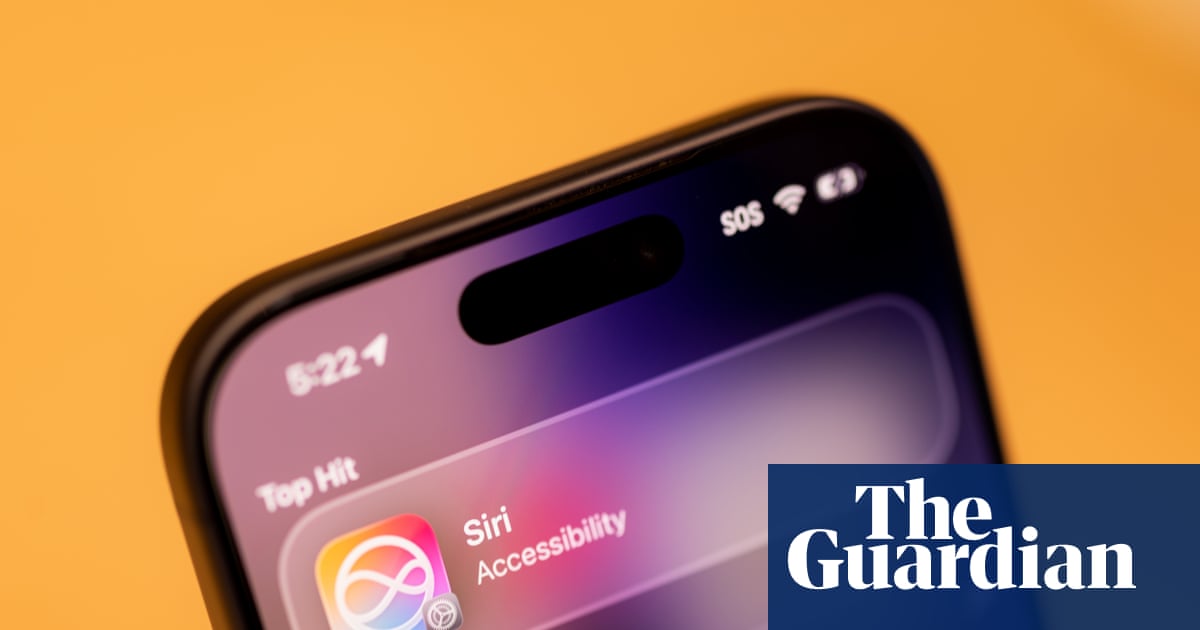
Apple agreed to pay $250 million to settle a class-action lawsuit over claims it misled iPhone buyers about Siri’s AI capabilities. The settlement covers roughly 36 million eligible U.S. devices, with class members potentially receiving $25 per device, up to $95 depending on claims volume. The case adds reputational and legal pressure around Apple’s delayed personalized Siri rollout, though it includes no admission of wrongdoing and still requires court approval.
This is less about the dollar amount and more about signaling risk: Apple has now created a precedent that its AI roadmap can be challenged as a sales-incentive misrepresentation, which raises the cost of every future product claim tied to on-device intelligence. The immediate financial hit is immaterial, but the bigger issue is that Apple’s brand premium is partly built on trust; once that is questioned, the market will start applying a larger execution discount to monetization from premium hardware refreshes.
The second-order effect is competitive. If buyers become more skeptical of “AI-enabled” upgrade narratives, the industry’s ability to use features rather than specs to drive replacement cycles weakens, which is a headwind for any OEM leaning on AI as an upgrade catalyst. That said, Apple is uniquely exposed because it is using software promises to defend hardware pricing, while competitors with clearer AI delivery paths can use this episode to frame Apple as lagging on product reality versus marketing.
For AAPL, the key catalyst is not the settlement approval date but the next several months of evidence on Siri rollout quality and whether management is forced into more conservative product language. If the promised assistant upgrade slips again or remains narrow in scope, this becomes a durable credibility overhang into the next iPhone cycle; if Apple ships a visibly useful version before the fall launch window, the market will quickly re-rate the issue as a one-off legal clean-up. My base case is that the overhang persists longer than consensus expects because litigation and product delay reinforce each other.
The contrarian view is that the market may already be overstating the damage: consumers usually punish with indifference rather than churn, and Apple can absorb the litigation without touching capital return capacity. The real risk is not lost units in the current cycle but a slower conversion of AI enthusiasm into upgrade behavior, which is harder to model and more negative for multiples than for near-term earnings.
AI-powered research, real-time alerts, and portfolio analytics for institutional investors.
Request DemoOverall Sentiment
mildly negative
Sentiment Score
-0.35
Ticker Sentiment
