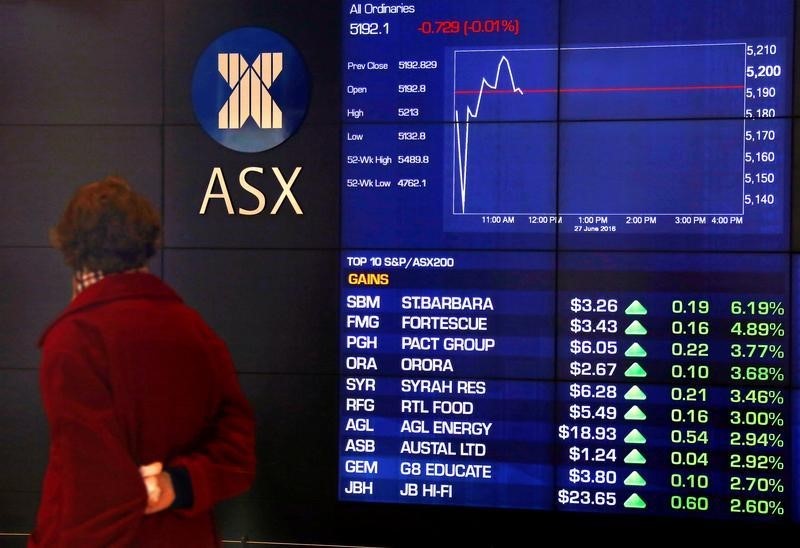
WiseTech Global shares fell 1.6% to A$29.60, their lowest level since June 2021, after the company denied knowledge of any investigation involving Executive Chair Richard White. The controversy follows Monday's more than 18% drop on reports that Australian Federal Police were probing White over alleged visa-related misconduct and exploitation claims. WiseTech said the reported allegations relate to White personally, not the company, and that no charges have been publicly announced.
This is a classic governance overhang where the first-order hit is not the immediate legal outcome but the discount rate applied to the business. For a software/logistics platform with sticky enterprise workflows, the market usually tolerates one-off key-man risk only until it starts to suspect board control, succession integrity, or customer concentration around the founder. The important second-order effect is that enterprise buyers, especially in regulated or customs-heavy logistics workflows, may slow procurement or renewals if they believe the firm’s governance instability could distract management or impair continuity.
The bigger risk is not a binary criminal finding; it is a months-long drip of reputational and governance friction that can compress the multiple even if earnings stay intact. These situations often produce a two-stage selloff: an initial shock on headline risk, then a slower de-rating as investors model higher retention risk, tougher sales cycles, and increased board oversight costs. If there is no rapid, credible governance reset, the stock can remain capped well below prior trading ranges for 1-3 quarters, because institutional holders often require resolution clarity before re-rating.
The contrarian view is that the market may be overpricing the permanent damage if the company’s operating data remain stable and the investigation narrative stays personal rather than corporate. In founder-led software, the absence of direct company exposure can create a tradable dislocation: the equity can overshoot to the downside, while fundamentals only soften modestly. The key tell will be whether management can de-personalize the brand fast enough and demonstrate that customer contracts, financing, and regulator relationships are unaffected.
From a competitive standpoint, any prolonged uncertainty is a modest tailwind for logistics software peers competing for global enterprise accounts, especially those with cleaner governance and lower founder dependence. The winner is likely not a direct substitute but whichever vendor can pitch lower execution risk to multinational shippers and 3PLs over the next earnings season. If the controversy persists into a reporting cycle, expect sales and renewal commentary to become the incremental catalyst, not the legal headlines themselves.
AI-powered research, real-time alerts, and portfolio analytics for institutional investors.
Request DemoOverall Sentiment
moderately negative
Sentiment Score
-0.35
