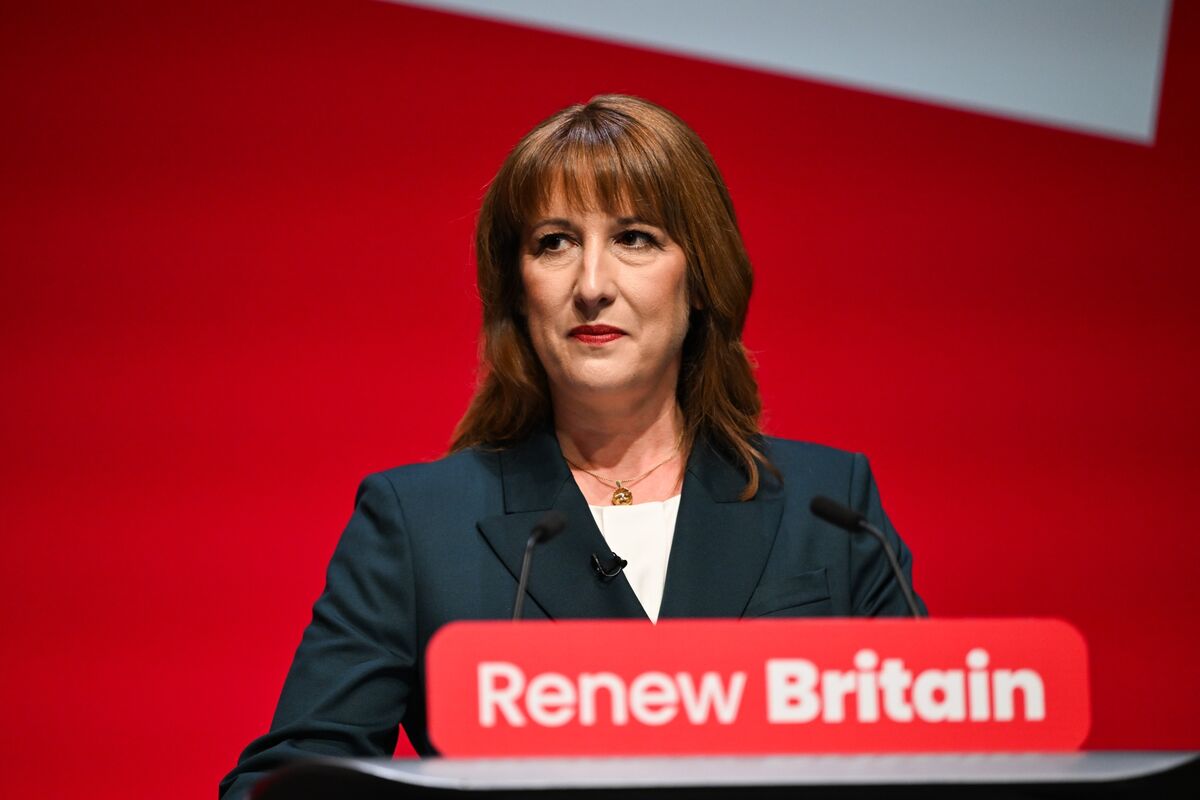
UK Chancellor Rachel Reeves is facing mounting pressure to significantly expand the fiscal buffer in the upcoming budget, aiming to stabilize bond markets and potentially avert further tax increases this parliament. Despite having previously raised taxes by £40 billion and vowing against more, a widening public finance deficit suggests she will need to break that pledge. Economists are advocating for a substantial increase beyond the prior £9.9 billion buffer, even if it necessitates more immediate and painful tax hikes.
UK Chancellor Rachel Reeves is facing significant pressure to expand the nation's fiscal buffer in the upcoming Nov. 26 budget, a necessity driven by a widening public finance deficit. This situation contradicts her previous £40 billion tax increase and a commitment to avoid further tax rises this parliament, indicating a likely breach of that vow. The primary objective of this expansion is to quell bond-market uncertainty and establish a "virtuous circle" for fiscal stability.
Economists from Oxford Economics and Bloomberg Economics are advocating for a substantial increase in the buffer, moving beyond the previous £9.9 billion. While this strategy may necessitate more immediate and painful tax hikes, it is viewed as critical for long-term fiscal credibility and market confidence. The prevailing sentiment surrounding this development is moderately negative with an uncertain tone, reflecting the challenging fiscal landscape.
This situation carries a notable market impact (score of 0.65), particularly for UK sovereign debt and credit markets. The need for a larger fiscal buffer underscores persistent challenges in managing the UK's public finances, potentially influencing investor perceptions of sovereign risk and the broader economic outlook.
AI-powered research, real-time alerts, and portfolio analytics for institutional investors.
Request DemoOverall Sentiment
moderately negative
Sentiment Score
-0.50
