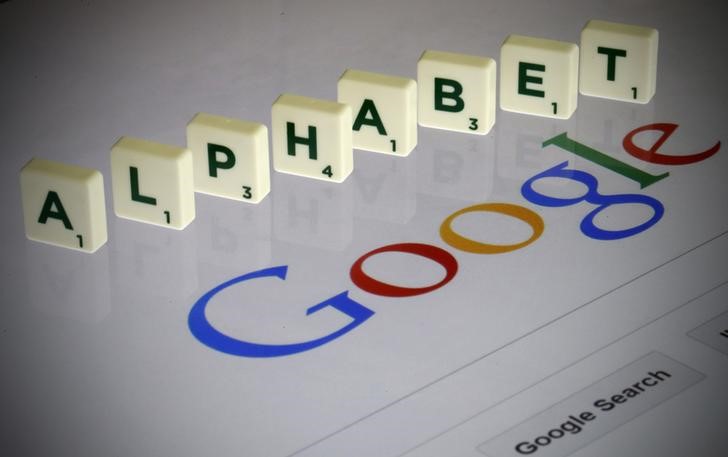
The European Commission issued preliminary findings that Google may need to grant third-party search engines access to search data, including data from AI chatbots with search functionality, under the EU Digital Markets Act. Interested parties can comment until May 1, with a binding final decision expected by July 27; Google was charged in March 2025 with breaching the law. The ruling could modestly pressure Google’s search dominance, but this is still a preliminary regulatory step rather than a final enforcement action.
This is less a headline about near-term earnings than a structural escalation in platform regulation risk. The important second-order effect is not a single fine, but forced data portability in search-adjacent AI workflows, which could lower Google’s moat at the exact moment query behavior is shifting from blue links to answer engines. That matters because any loss of exclusivity on search telemetry tends to compress monetization over time by weakening ad targeting, default placement leverage, and traffic capture economics.
The market is likely underpricing the timing mismatch: the legal process runs for months, while the strategic damage can start as soon as rivals begin engineering around the data access regime. If regulators force broader access to search signals, smaller AI-native search products and browser/search hybrids become more viable, especially in Europe first, then potentially as a template elsewhere. The first-order revenue hit is probably limited, but the margin of safety on Google’s AI/search integration narrative is thinner than consensus implies.
The contrarian view is that this may ultimately be constructive for Google if it converts a regulatory overhang into a compliance-managed equilibrium with only modest economic leakage. The bigger loser could be the long tail of search monetization partners and ad intermediaries that depend on opaque traffic routing; if data becomes more portable, some of that surplus shifts to competitors and publishers. Expect the biggest price action around procedural milestones, not the final ruling: May commentary and the July decision window are likely to be the catalyst points.
Near term, the best setup is to trade the uncertainty rather than the final outcome. The probability-weighted move is a modest multiple compression for GOOG if investors start discounting slower search monetization and higher compliance drag, but that should be faded if the company signals a contained remediation path or if the ruling is narrower than feared.
AI-powered research, real-time alerts, and portfolio analytics for institutional investors.
Request DemoOverall Sentiment
neutral
Sentiment Score
-0.05
Ticker Sentiment
