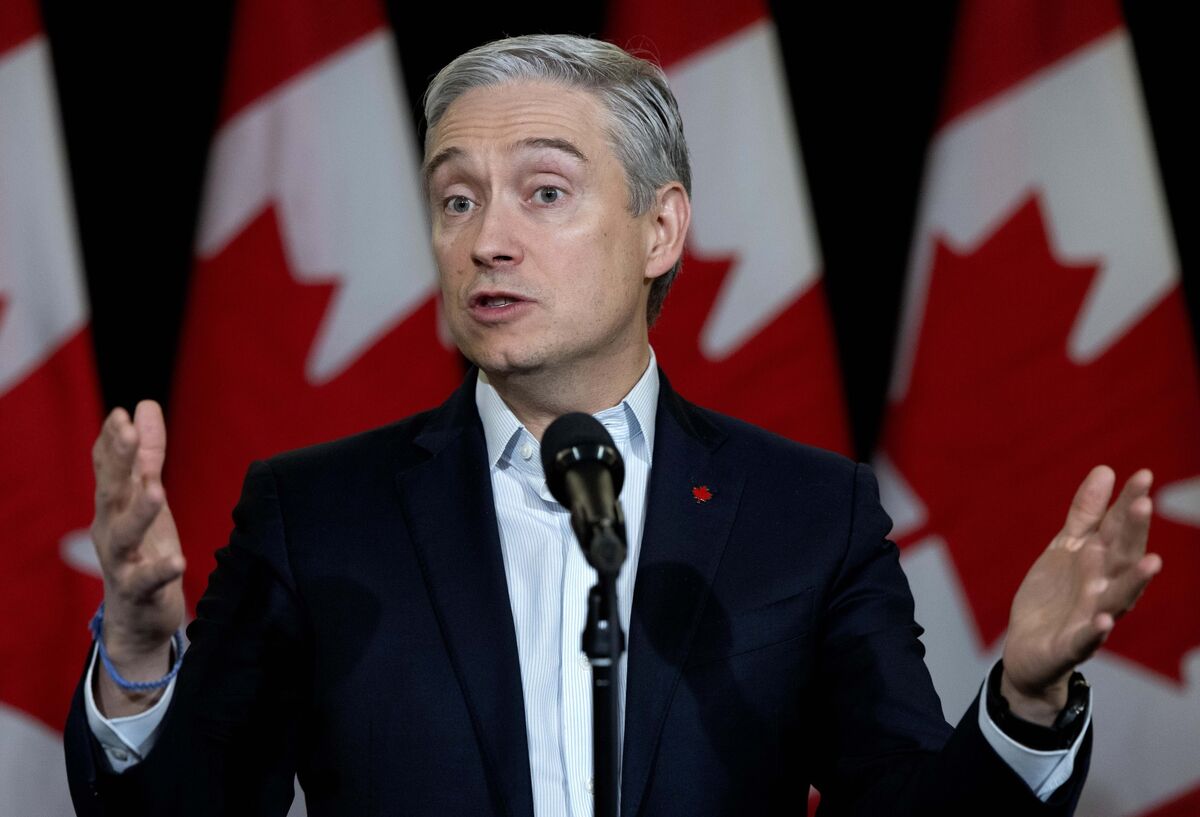
Canada's Finance Minister, Francois-Philippe Champagne, asserts the nation can secure a superior trade deal with the US, thereby avoiding a baseline tariff on its exports. He emphasized Canada's unique leverage, citing its imports from the US exceeding those of China, Japan, the UK, and France combined. This positions Canada differently from other nations in trade negotiations, suggesting a path to mitigate potential broad trade restrictions.
Canada's Finance Minister, Francois-Philippe Champagne, is proactively framing a negotiation strategy to mitigate potential US trade protectionism, specifically the risk of a baseline tariff. The minister's assertion that Canada can secure a preferential deal hinges on its significant economic leverage as a primary customer for US goods, reportedly out-purchasing China, Japan, the UK, and France combined. This statement aims to differentiate Canada from other trading partners, arguing its unique position warrants an exemption from any broad-based tariff policies. The moderately positive sentiment signal reflects the confident tone of the minister's remarks, but the situation remains fluid as it is contingent on future negotiations with a potential new US administration. The core issue revolves around trade policy and the potential for tariffs, which would have significant implications for the highly integrated North American supply chain.
AI-powered research, real-time alerts, and portfolio analytics for institutional investors.
Request DemoOverall Sentiment
moderately positive
Sentiment Score
0.55
