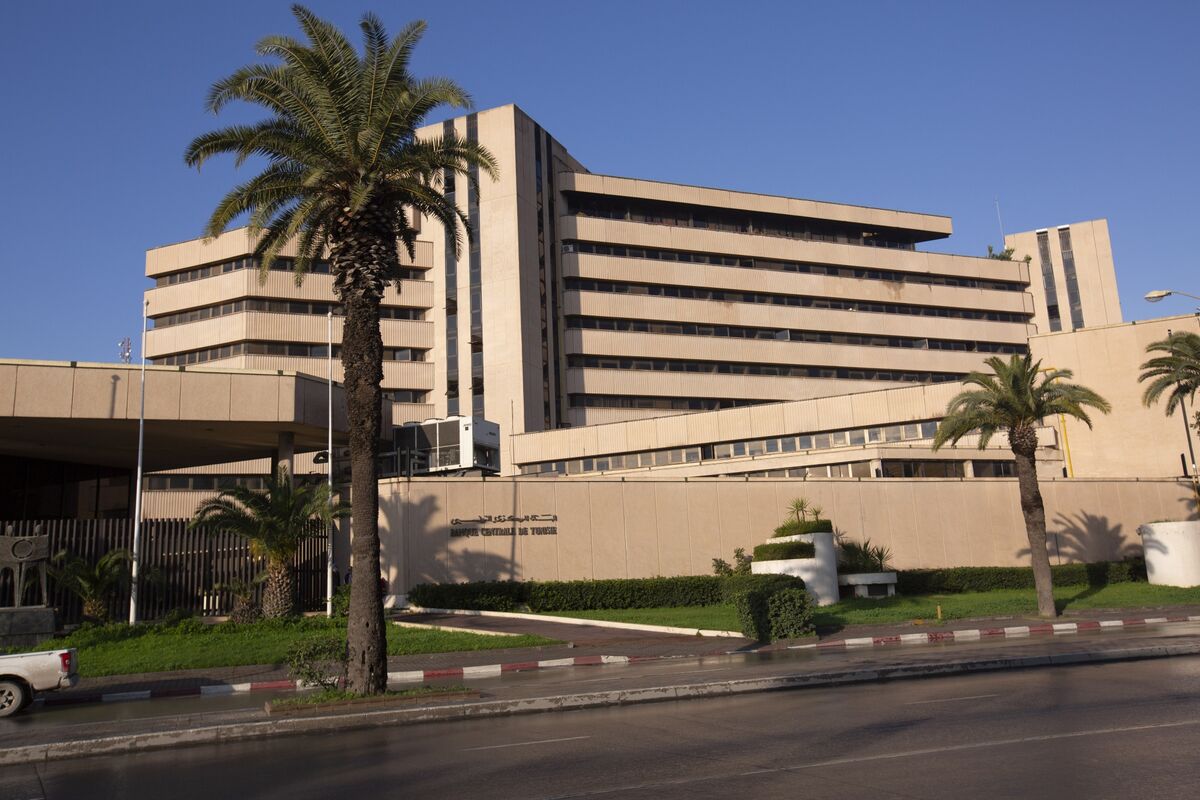
Tunisia plans to secure approximately $4 billion from its central bank and implement a new wealth tax to address its increasing financing requirements, following its rejection of a potential IMF bailout. The draft budget indicates a projected deficit increase to 11 billion dinars ($3.8 billion) in 2025, representing about 6.4% of GDP, highlighting the nation's strategy to manage its fiscal challenges independently.
Tunisia is adopting an unconventional fiscal strategy, planning to secure approximately $4 billion from its central bank and implement a new wealth tax. This approach follows the nation's rejection of a potential International Monetary Fund (IMF) bailout, signaling a preference for independent financing solutions amidst rising fiscal pressures.
The draft budget projects a significant increase in the deficit to 11 billion dinars ($3.8 billion) in 2025, up from 9.8 billion. This expanded deficit is estimated to represent about 6.4% of Tunisia's gross domestic product, according to IMF estimates, indicating a worsening fiscal position.
The reliance on central bank financing, often viewed as monetary financing, coupled with a new wealth tax, carries inherent risks for currency stability and inflation. The market's "strongly negative" sentiment and "pessimistic" tone, alongside a high market impact score of 0.65, reflect concerns regarding the sustainability and implications of this strategy.
AI-powered research, real-time alerts, and portfolio analytics for institutional investors.
Request DemoOverall Sentiment
strongly negative
Sentiment Score
-0.75
