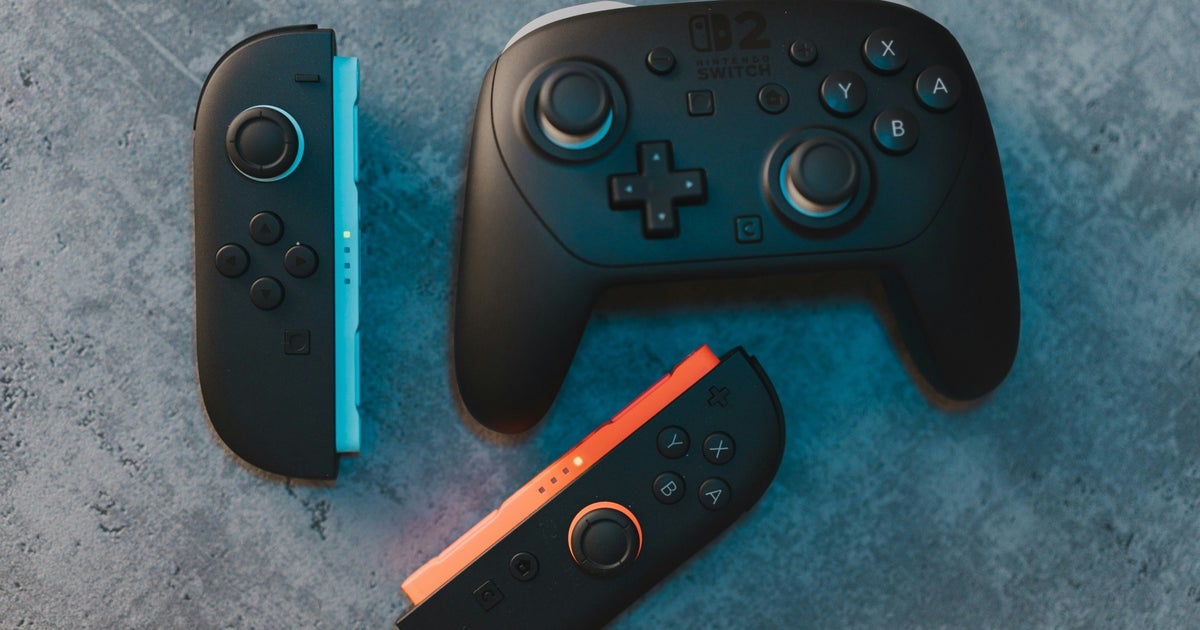
US video game consumer spending rose 12% year-on-year to $5.3 billion in March 2026, with hardware sales surging 69% to $500 million on strong Nintendo Switch 2 demand. First-quarter spending increased 5% to $14.6 billion, while content sales also rose 8% to $4.5 billion, led by a 22% gain in console content. Circana said Switch 2 led both unit and dollar sales and remains the fastest-selling hardware platform in its records.
The biggest signal here is not the headline hardware spike, but the implied inflection in the software monetization cycle. When a new platform is outperforming its predecessor this early in the adoption curve, publishers with first-party or strongly differentiated IP tend to get a disproportionate share of near-term wallet share, while third-party franchises with weak platform identity risk being crowded out by Nintendo-led engagement. That makes the mix shift more important than the aggregate spend number: high hardware attach and digital premium mix usually produce a cleaner earnings revision path for platform holders than for broad content publishers.
Second-order winners are the component and retail ecosystems around the launch wave. A fast-selling console typically pulls forward memory, semiconductor, and accessory demand for multiple quarters, but the margin pool often migrates away from hardware into software and subscription services after the initial sell-through phase. The market may underappreciate how much of the March strength is likely a front-loaded replacement/upgrade cycle rather than durable macro lift, which matters if investors extrapolate hardware growth into the summer.
The risk case is calendar-based: launch comps get harder quickly, and if supply normalizes, hardware growth can decelerate sharply even while unit leadership remains intact. The more meaningful catalyst is not another month of strong console sales, but sustained software attach into holiday 2026; if that fails, the market will re-rate the platform as a one-time launch beneficiary rather than a multi-year earnings compounder. Conversely, digital premium growth suggests pricing power is still intact, which should cushion any moderation in unit sales.
Consensus likely underestimates the negative read-through for incumbent consoles and publishers without a clear next-gen bridge. If Switch 2 continues to dominate engagement, it increases the probability that competing platforms see weaker software mix and slower accessory turn, while Nintendo’s ecosystem benefits from a flywheel of exclusives and digital distribution. The setup favors buying the ecosystem leader on any post-launch volatility, but fading the hardware spike itself once the launch window matures.
AI-powered research, real-time alerts, and portfolio analytics for institutional investors.
Request TrialOverall Sentiment
moderately positive
Sentiment Score
0.62
