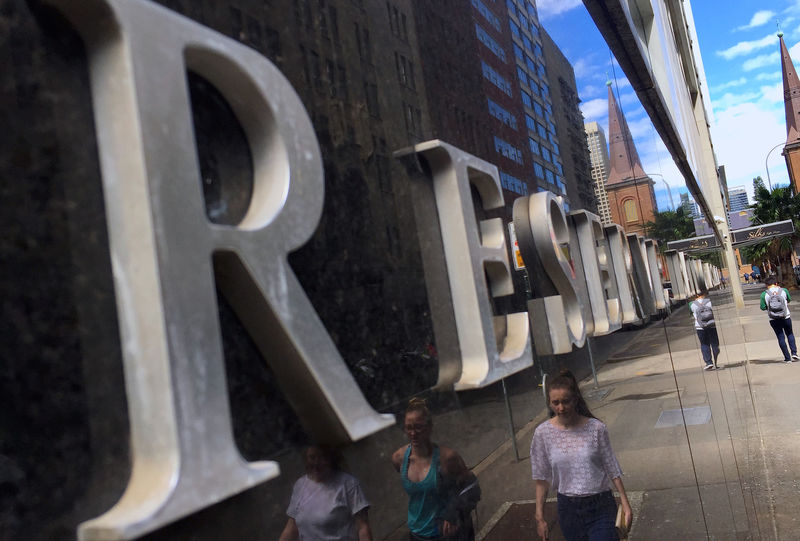
The RBA is widely expected to raise rates by 25 bps to 4.10% on March 17, with a terminal rate seen around 4.35% and a further 25 bps possible in May. The move is driven by consumer inflation running above the 2–3% target and upside risks from energy-price shocks tied to the U.S.-Israel–Iran conflict; higher rates will tighten local liquidity, likely weighing on the ASX 200 while benefiting major banks. The AUD/USD has rallied on prior hawkish moves and could strengthen further if rhetoric remains hawkish. Analysts warn the March decision could be closely contested, signaling continued market volatility and policy-driven FX/asset re-pricing.
The immediate policy squeeze will act like a liquidity tax: bank balance sheets get a near-term tailwind to NIMs as lending rates reprice faster than retail deposits, but credit growth and asset-quality cycles lag by 6–12 months. That creates a window (1–3 months) where large listed banks can materially outperform cyclicals and small-cap credit-sensitive names even as market liquidity tightens.
FX and commodity dynamics create a non-linear risk profile for Australia. A hawkish RBA increases carry into AUD, but any Iran escalation or China growth scare will flip that carry into USD safe-haven flows — expect stretched two-way 30d vols on AUDUSD and episodic 2–4% swings over the next quarter. Miners face a dual squeeze: a stronger AUD reduces USD commodity receipts in local terms while higher global yields raise financing costs for capex-heavy projects, compressing free cash flow margins over 3–12 months.
Technology/AI exposures (SMCI, APP) are double‑edged: secular demand for AI compute supports revenue growth, but multiples are vulnerable to a higher-rate, lower-liquidity regime. That favors concentrated growth names with margin leverage and low capex-to-sales; cyclical or marketing-driven ad-tech names are more likely to see multiple compression if risk‑on capital dries up.
Consensus underestimates the transmission lag from policy to credit contraction — markets price a smooth landing but miss the 6–12 month tightening of lending standards. Key catalysts to watch: swap curve steepness, 90d mortgage rate re‑pricing, Australian business lending surveys, and any abrupt oil‑price shocks that force a stop‑start in the RBA’s hiking path.
AI-powered research, real-time alerts, and portfolio analytics for institutional investors.
Request DemoOverall Sentiment
mildly negative
Sentiment Score
-0.15
Ticker Sentiment
