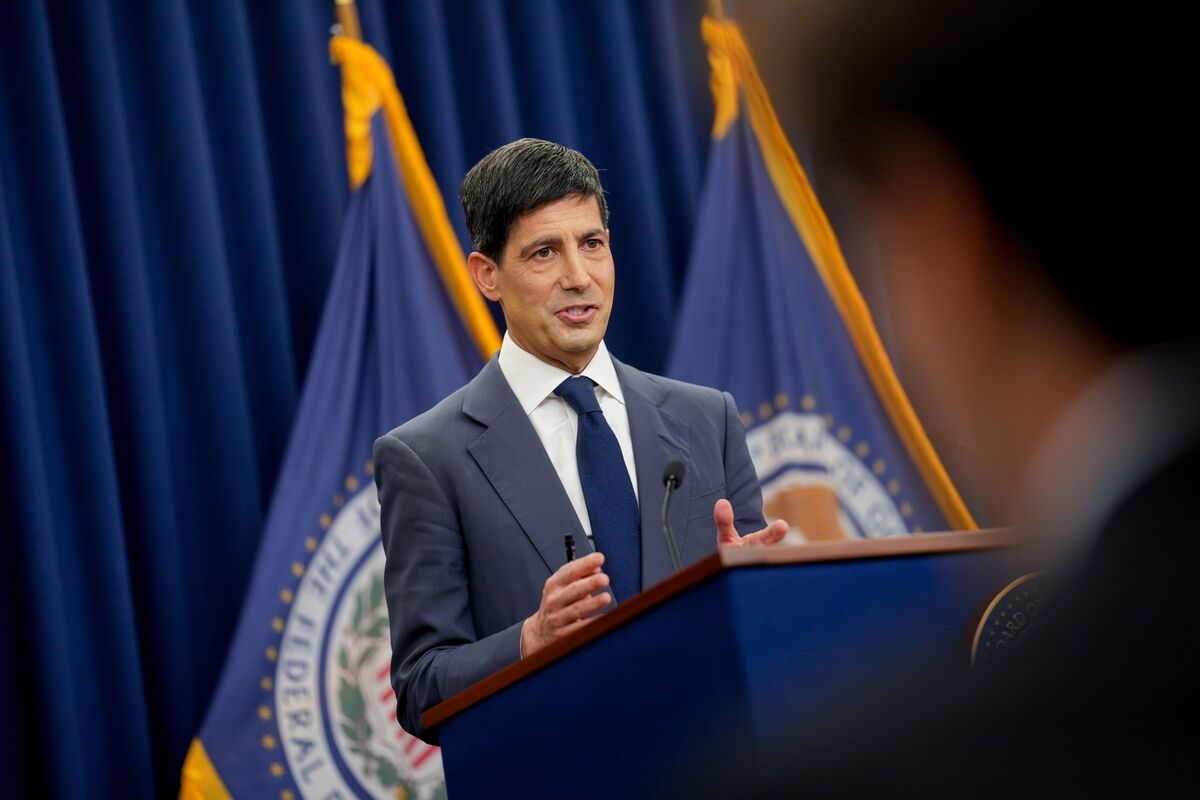
US Treasuries slipped ahead of the payrolls report as traders weighed Chairman Kevin Warsh’s dovish inflation comments. The 10-year yield rose 1bp to 4.49% for a fourth straight day, while the 2-year yield was steady at 4.17%. Markets are fully pricing a 25bp hike by October but are roughly split on whether there will be a second hike by year-end.
The important read-through is not the slight back-up in yields; it is that the market is still willing to price an additional hike cycle despite a dovish Fed signal. That means rate sensitivity remains driven by labor data, not commentary, so the next payrolls print has a much larger impact on the curve than any individual Fed voice. In that setup, the first-order loser is duration: mortgage rates, REIT multiples, and any equity story premised on lower discount rates stay capped until the 2-year can break materially lower.
Second-order, a persistently sticky front end is more damaging to housing-adjacent names than to the broader index because refinancing math and affordability are already stressed. Regional banks are a mixed case: higher short rates help asset yields, but if the curve stays compressed and credit conditions tighten, NIM upside is offset by deposit beta and slower loan growth. That argues for relative-value exposure, not an outright macro bet, unless the payrolls data gives a clear directional surprise.
The contrarian miss is that consensus may be overfocusing on whether the Fed hikes in October, when the bigger market mechanism is whether wage/labor data can pull the entire front end lower over the next 1-3 months. A single soft payrolls print without wage deceleration likely only produces a temporary rally; a genuine regime change requires the 2-year to break below roughly 4.05%. Until then, higher-for-longer should keep pressure on REITs, homebuilders, and other duration proxies.
AI-powered research, real-time alerts, and portfolio analytics for institutional investors.
Overall Sentiment
neutral
Sentiment Score
-0.08
Ticker Sentiment
