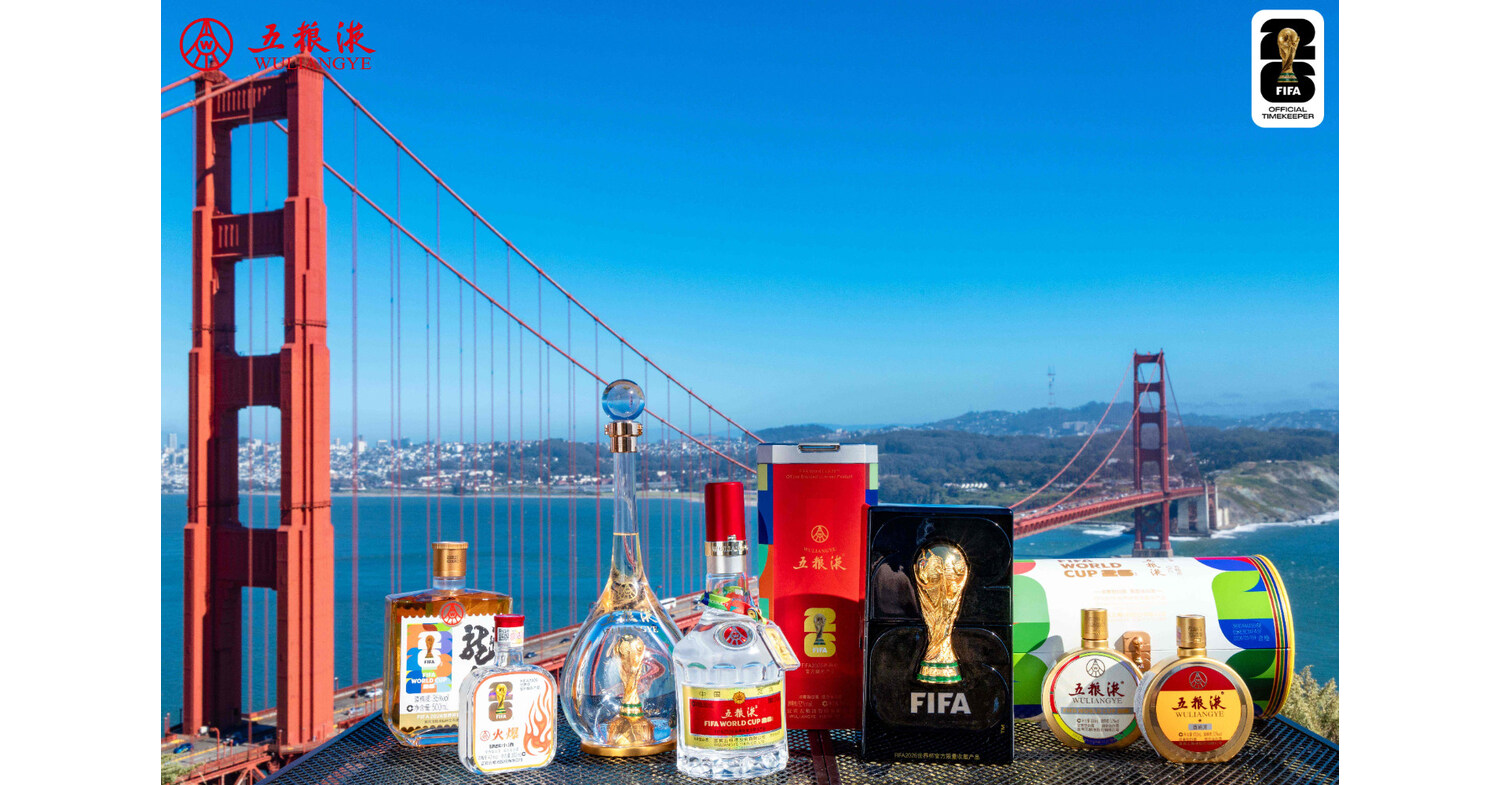
Wuliangye’s World Cup marketing push reportedly drove cumulative co-branded sales of RMB 1.6B, helping the baijiu sector avoid its usual post-May seasonal slowdown. The campaign attracted 4.0M new consumers, with under-35s comprising 40% of that total, aided by interactive promotions (e.g., RMB 10M prediction game) and tiered official World Cup product drops. Industry experts cite reduced distributor inventory pressure and a refreshed brand image aimed at younger, more international drinkers.
The important mechanism here is not “World Cup marketing” per se; it is whether premium baijiu can convert campaign-driven traffic into cleaner channel inventories and firmer wholesale pricing. If that happens, the near-term benefit is margin protection for the top brands, while smaller regional players face higher customer-acquisition costs and more pressure to spend just to defend shelf space. In that sense, the true winner is the brand with the deepest distribution and the most pricing latitude, not necessarily the one with the loudest campaign.
I would treat the reported revenue and younger-consumer mix skeptically until it shows up in distributor inventory data and repeat purchase rates. Limited editions and prize-led promotions can pull demand forward without changing underlying consumption, so the 1-3 month test is whether ex-factory shipments remain strong after the campaign budget normalizes. If the lift is real, it should first appear as reduced discounting and tighter spreads, then only later as improved earnings quality.
Contrarian view: the market may be underestimating how much of this is a channel-management exercise rather than genuine category expansion. The 6-18 month question is whether Wuliangye is actually expanding the premium addressable market or just buying relevance among younger buyers at the cost of lower promotional efficiency. A reversal would come if off-season sell-through fades once event-driven enthusiasm rolls off, or if peers respond with matching spend and erase the margin benefit across baijiu.
AI-powered research, real-time alerts, and portfolio analytics for institutional investors.
Overall Sentiment
moderately positive
Sentiment Score
0.35
