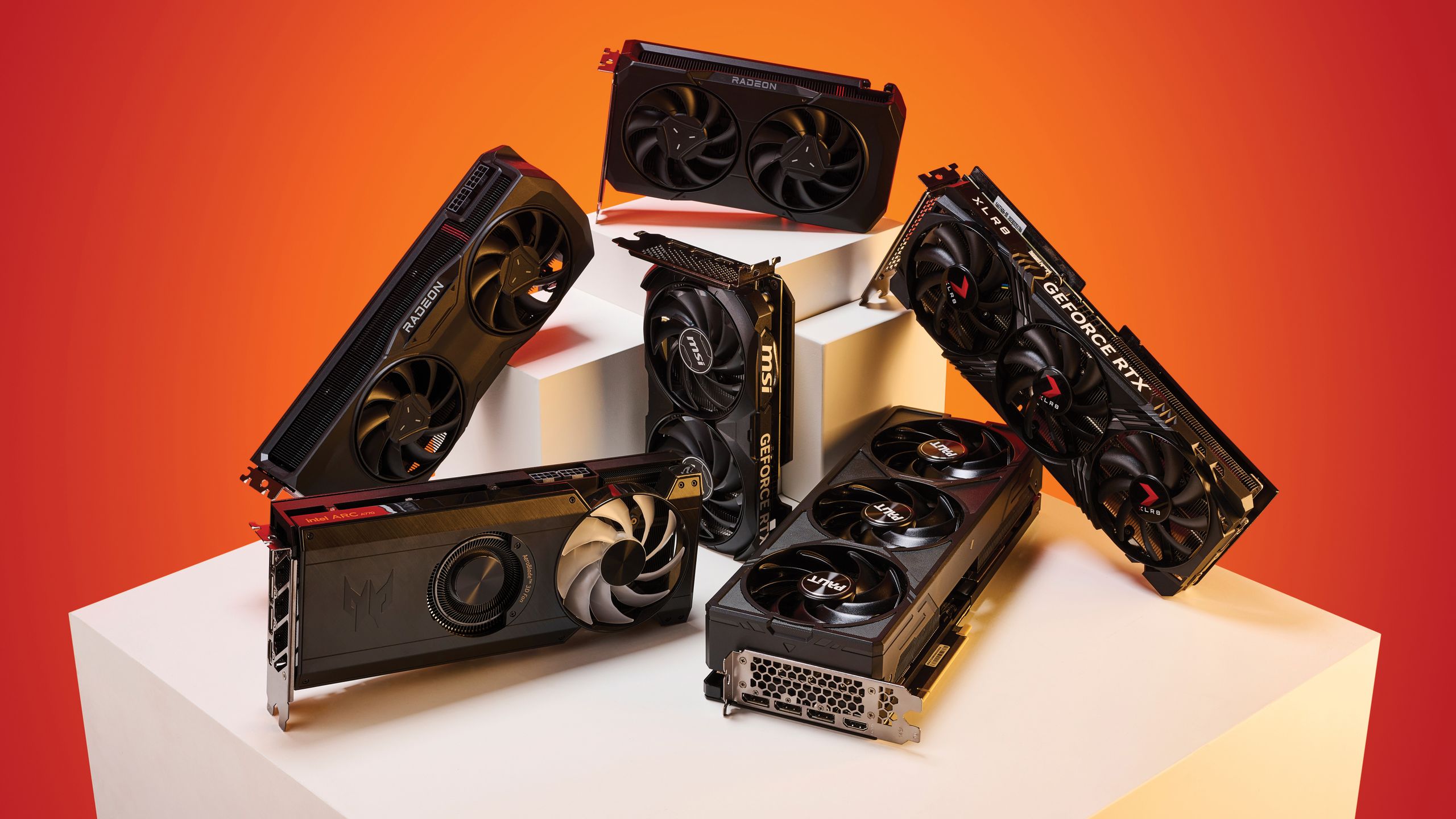
ZOTAC Korea warned that an escalating memory-chip shortage and sharply higher silicon prices are threatening the viability of GPU manufacturers and distributors, prompting the company to suspend a recently launched 2% cashback program to protect margins. ZOTAC highlighted dramatic retail price moves — the GeForce RTX 5090 rising from roughly $2,500 in November 2025 to about $3,300 (≈65%+), and the RTX 5060 rising from $300 to over $350 (~17%) — and said only GPUs made on Samsung processes (largely remaining RTX 30-series models) may remain feasible to supply. The company cautioned that prolonged SKU shortages and further price increases are likely, raising material risk for partners concentrated on a single silicon supplier and pressuring profitability across the GPU supply chain.
Market structure: Memory suppliers (Micron MU, SK Hynix 000660.KS, Samsung SSNLF) are the primary beneficiaries if GDDR/DDR capacity tightness persists—they can re-rate on ASP inflation; expect 20–40% gross-margin tailwind if spot GDDR prices stay +20% over next 3–6 months. GPU fabless leaders (NVIDIA NVDA) have pricing power to pass on silicon/memory cost but board partners/ODM/AIBs (ASUS 2357.TW, MSI 2377.TW, Gigabyte 2376.TW) will see margin compression and inventory drawdowns, risking 10–30% EBITDA downside vs. normal cycles. Retail demand will bifurcate: high-end GPUs remain premium-priced (as seen RTX 5090 +65% since Nov 2025) while mid/low tiers contract volume if price elasticity kicks in.
Risk assessment: Tail risks include government export restrictions (Korea/US/Taiwan chip policy) or a sudden fab capacity reallocation to DDR5 that freezes GDDR output—each could cause a multi-quarter supply shock and >50% price spikes for specialty memory. Immediate horizon (days) sees inventory tightness and retail price volatility; short-term (weeks–months) risk is partners suspending promos (Zotac cancellation) and cutting SKUs; long-term (quarters) the market could normalize if foundry capacity expands or demand shifts to cloud (reducing consumer GPU demand). Hidden dependencies: AIBs reliant on single supply chains or single foundry/packager are most vulnerable; second-order effect—used GPU market inflation will cap new-unit demand.
Trade implications: Favor memory suppliers and foundries: establish a measured long in MU (2–3% portfolio), SSNLF (1–2%) and overweight TSM (TSM 2%) via SMH/SOXX exposure for 3–12 months; target +25–40% upside if GDDR spreads remain elevated, stop-loss 12%. Short concentrated AIB OEMs (ASUS 2357.TW or MSI 2377.TW) via 1–2% positions or buy-put spreads for 3–6 months to capture margin compression; pair trade: long MU, short 2357.TW to isolate memory vs. board risk. Options: buy MU 3–6 month call spreads to limit capital with an entry if implied vol spikes >30% and set strike spread ~10–20% OTM.
Contrarian angles: Consensus assumes pain for all GPU-related names; that’s underestimating NVIDA’s ability to pass costs through—NVDA could out-perform even as partners suffer, so avoid broad semicap shorts. The market may be overpricing permanent scarcity; historical parallels (2017 crypto GPU crunch) show demand can collapse quickly when alternative compute channels shift—set triggers: if RTX retail prices fall >15% from peak or foundry utilization guidance increases by +5pp, unwind longs. Unintended consequence: elevated GPU prices accelerate cloud/AI outsourcing, benefiting NVDA datacenter exposure and TSMC, which could negate some memory-supplier gains over 12–24 months.
AI-powered research, real-time alerts, and portfolio analytics for institutional investors.
Request DemoOverall Sentiment
strongly negative
Sentiment Score
-0.70
