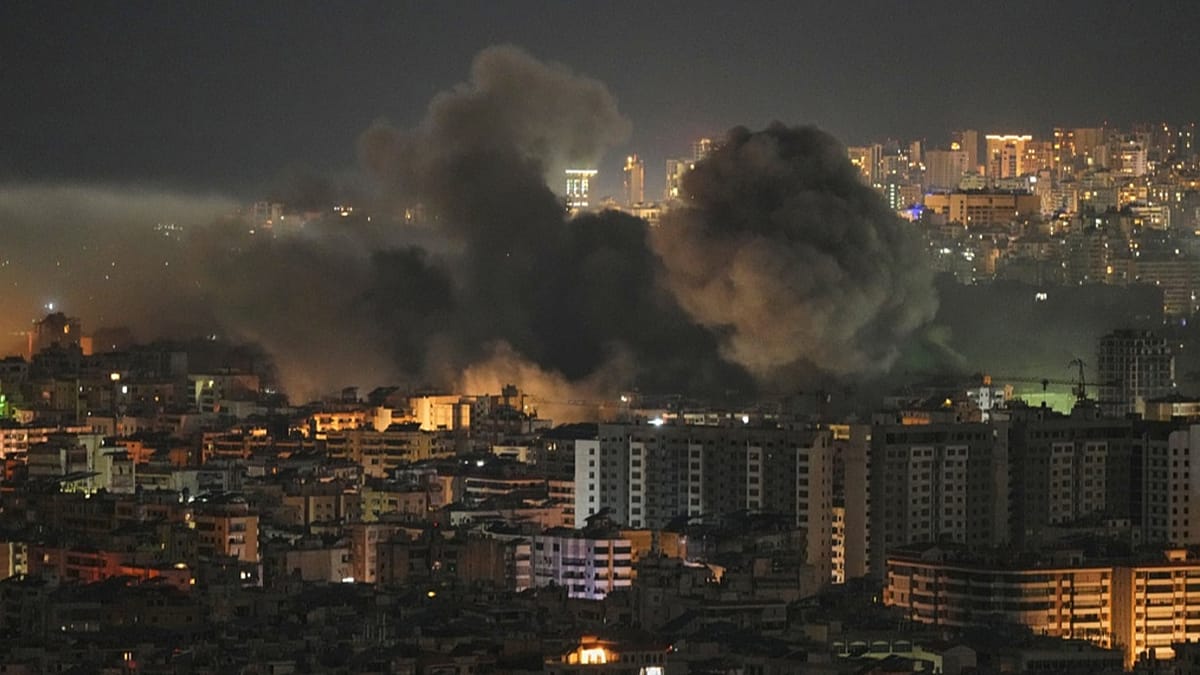
Escalating US‑Israeli strikes on Iran and extensive Iranian missile and drone retaliatory attacks across the Gulf and Levant have significantly disrupted regional security and logistics: South Korea secured 6 million barrels of crude from the UAE, Maersk suspended FM1 and ME11 Gulf routes and paused Gulf bookings, Etihad is operating a limited schedule from 6 March, and multiple countries reported intercepted drones/missiles, evacuations and heightened military deployments (UK RAF over Bahrain, Greek Patriot battery to protect Bulgaria). Iran claims control of the Strait of Hormuz — through which ~20% of global oil trade flows — and says it struck US assets and a US‑owned tanker, while regional infrastructure and exports (including Qatar gas facilities) were reported damaged; these developments are likely to push energy prices higher, raise shipping insurance and rerouting costs, and trigger risk‑off volatility across asset markets.
Market structure: Immediate winners are energy producers (XOM, CVX, XLE) and defence contractors (LMT, RTX, NOC) as spike in oil/prices and defence spending increase pricing power; losers are airlines and leisure (AAL, DAL, UAL, LCC) plus container shipping lines exposed to Gulf transits and regional tourism. Supply-demand will tighten in oil if Gulf shipping is disrupted — a 1–3% loss of global seaborne flows can translate into a 15–30% Brent move within weeks; options and freight markets will price materially higher implied volatility.
Risk assessment: Tail risks include closure of the Strait of Hormuz, widescale tanker attacks or a broader regional war causing 30–50% oil spikes and severe shipping insurance hikes; cyberattacks on ports or strikes on refineries are second-order shocks. Time horizons: days—risk-off, safe-haven flows to USD, gold (GLD) and Treasuries (TLT); weeks–months—sustained oil shock and supply-chain re-routing; quarters–years—permanent uplift in defence budgets (5–10% incremental) and higher freight rates.
Trade implications: Tactical trades favor energy longs and travel/airline shorts, plus volatility plays. Cross-asset: buy gold and long-dated Treasuries for tail-hedge while using options to express directional oil view; expect USD strength and EM currency weakness versus dollar.
Contrarian angles: Markets may overshoot: historical parallels (1990 Gulf War, 2019 tanker incidents) show large initial oil jumps that partially reverse within 3–6 months once routes reopen or diplomacy progresses. If Brent > $95 or insurance rates spike >50% vs pre-crisis, the rally becomes mean-revertible—opportunities to short energy after the knee-jerk rally; also defence supply chain winners beyond primes (LHX, KBR) are underowned.
AI-powered research, real-time alerts, and portfolio analytics for institutional investors.
Request TrialOverall Sentiment
strongly negative
Sentiment Score
-0.75
