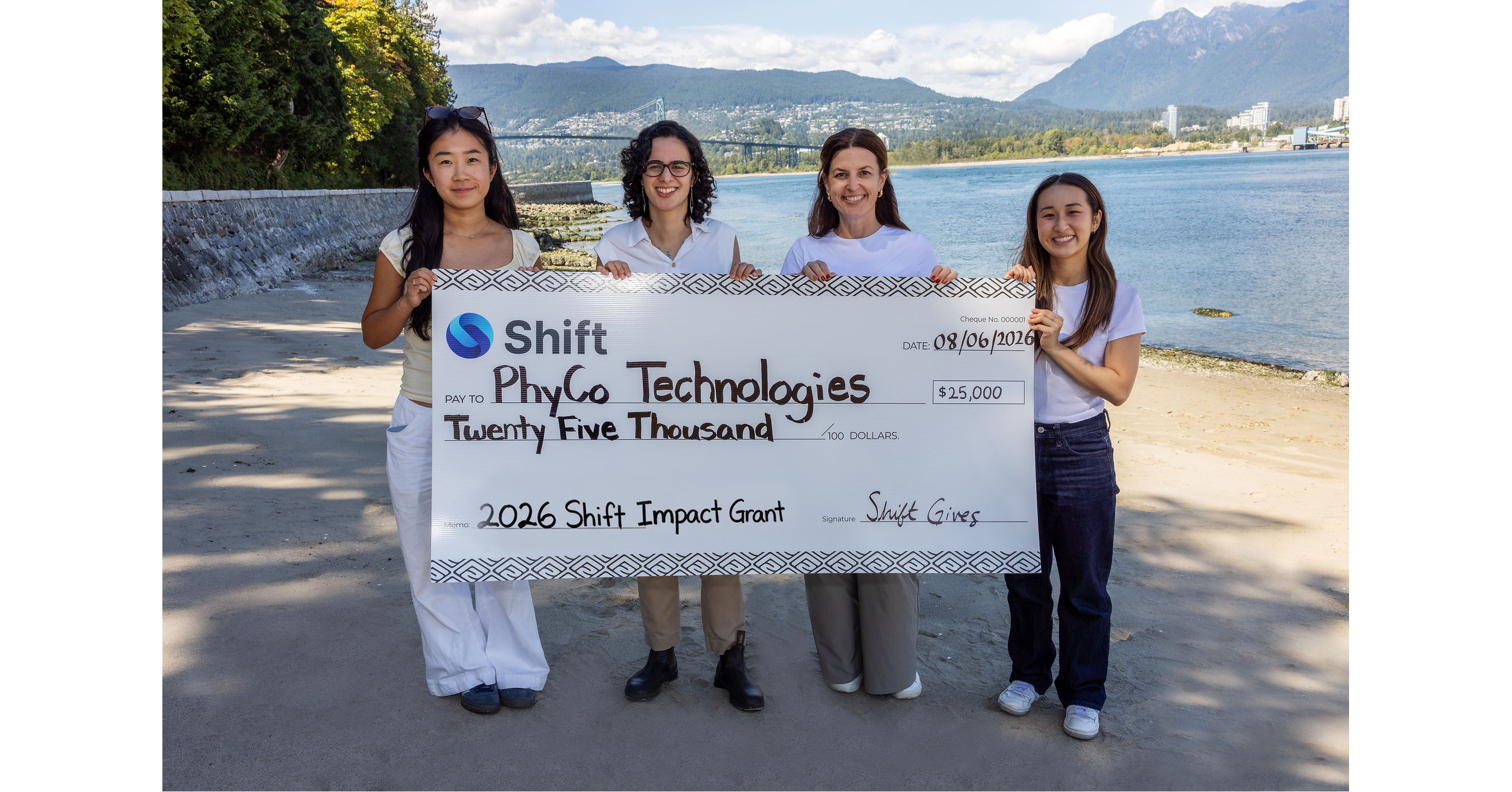
Shift awarded PhyCo its second annual $25,000 Impact Grant, providing unrestricted funding to scale seaweed-based, home-compostable alternatives to agricultural plastics (targeting plastics that drive ~70% of food-system plastic usage). PhyCo also cited a first-phase production-scale pilot completed in partnership in Portugal, where it improved yields, reduced production costs, and adapted processes for new regions. The funding supports commercialization efforts and expanded collaboration with Canadian coastal and Indigenous communities.
This is not a near-term public-markets catalyst; it is an option on a long-dated substitution thesis. The grant is too small to move cash flows for any listed plastics, packaging, or ag inputs name, but it does validate a broader investment theme: the first money is increasingly going to end-of-life compliant materials rather than pure-cost alternatives. If the technology works, the winner is not just the startup — it is the distribution channel that can bundle compliant mulch film into farm inputs, because adoption will hinge on agronomic reliability and disposal economics, not sustainability branding.
The underappreciated second-order effect is supply-chain localization. Seaweed feedstock tied to coastal communities creates a fundamentally different bottleneck than petrochemical resin: harvest seasonality, permits, water quality, and regional processing capacity. That means even a successful pilot likely scales in pockets, not as a generalized replacement, which limits near-term displacement risk for incumbent plastics makers and keeps pricing power with the incumbents for years unless regulation forces the switch.
From a portfolio standpoint, the main risk is narrative compression: climate-tech headlines can inflate expectations for commercialization timelines, then reset when pilot yields are converted into contracted volume and gross margin. The real catalyst path is 6-18 months: financing round, named ag-distribution partner, and field trials showing lower disposal and no yield penalty. Absent that, this remains a venture-marked milestone, not a listed-equity trade. Contrarian view: the market may be overestimating consumer-driven ESG demand and underestimating farmer inertia; compostability only matters if it is cheaper, operationally simpler, and approved by local waste systems.
AI-powered research, real-time alerts, and portfolio analytics for institutional investors.
Request DemoOverall Sentiment
moderately positive
Sentiment Score
0.45
Ticker Sentiment
