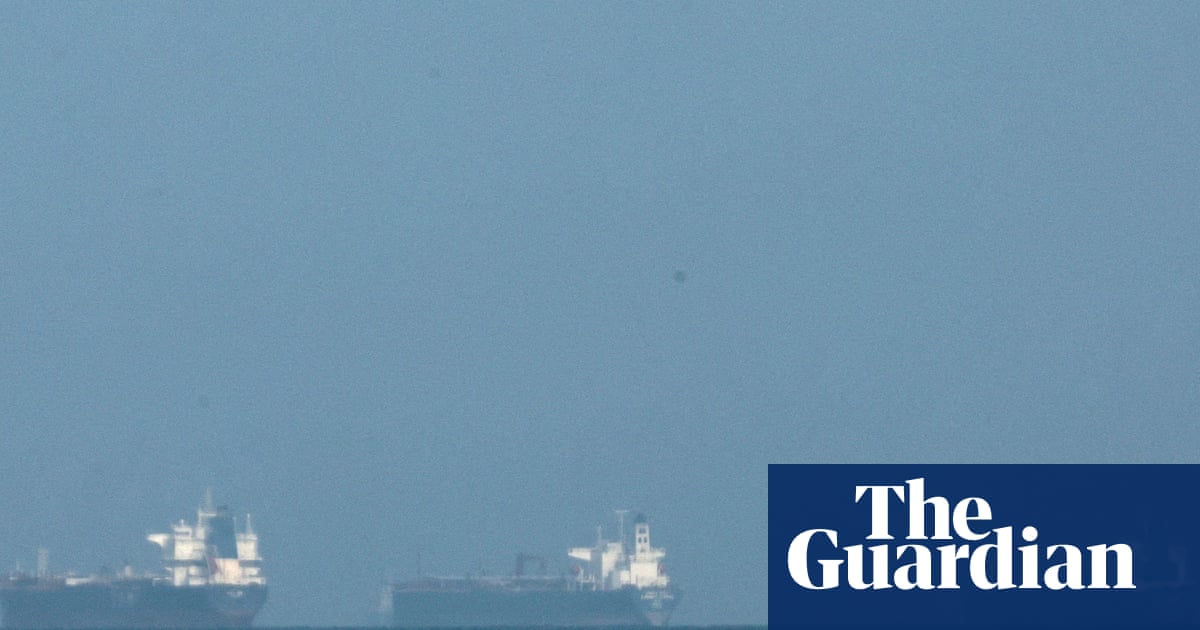
De facto closure of the Strait of Hormuz by Iran has produced what the article calls the largest oil supply disruption in history and pushed global oil prices sharply higher, while the US is pressuring allies to send ships to protect commercial shipping—Australia, France, Japan and the UK have so far declined. President Trump warned NATO members of a “very bad” future if they do not assist, and separately claimed he has “the absolute right” to impose new tariffs after the US Supreme Court ruled many 2023 import duties unlawful under a 1977 emergency statute, creating legal and trade-policy uncertainty. Additional market-relevant items: AccuWeather warns a “triple-threat” storm will affect nearly 200 million people in the US, Google pulled a crowdsourced AI health feature, and the Oscars highlighted industry sentiment with One Battle After Another taking six awards.
The immediate market impulse is a classic supply‑shock rotation: freight and bunker demand rise, time‑charter and insurance costs reprice, and that spread flows to asset owners with physical optionality (tankers, LNG ships, integrated oil producers) faster than it flows to refiners or consumer‑facing companies. Rerouting and longer voyages realistically add high‑single to low‑double digit percent to voyage costs and create 7–21 day delivery slippage for many Asia‑Europe and Middle East routes, amplifying working capital pressure across electronics and auto supply chains over the next 1–3 months.
Parallel policy uncertainty around trade remedies and ex‑post tariff construction raises procurement volatility for hyperscalers and hardware OEMs: incremental duties on compute hardware can boost unit server costs by low‑teens percent for discrete categories and compress cloud gross margins if not absorbed. That makes headline tech names with large capex and hardware exposure — and material ad sensitivity to macro — more vulnerable to downside over the next 3–12 months, particularly into earnings where FX/tariff pass‑through shows up.
Catalysts that would reverse the current risk‑off: credible diplomatic de‑escalation (days–weeks), coordinated release of strategic oil reserves (weeks), or clear judicial/policy guidance narrowing executive tariff scope (months). Tail risks include protracted chokepoint denial or escalation to wider maritime interdiction (low probability, high impact) which would sustain the energy/shipping re‑rating for quarters and prompt fiscal responses that reshape global trade flows.
AI-powered research, real-time alerts, and portfolio analytics for institutional investors.
Request DemoOverall Sentiment
strongly negative
Sentiment Score
-0.60
Ticker Sentiment
