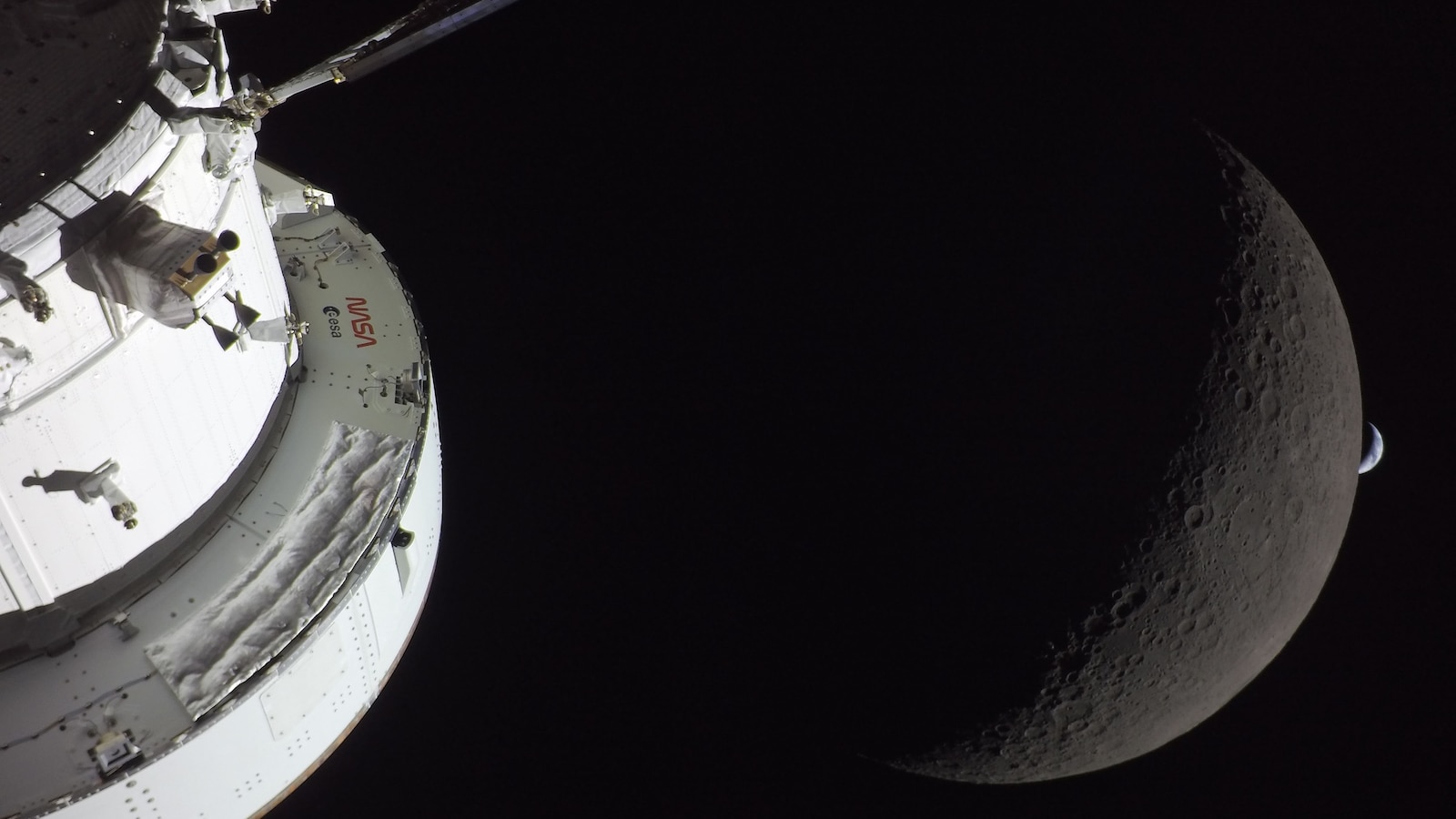
NASA outlined a phased moon-base plan backed by a $20 billion budget, targeting human return to the lunar surface in 2028 and initial development running through 2032 and beyond. Phase 1 calls for 25 launches, 21 landings, and roughly 4 metric tons of cargo, with contractors including Blue Origin, Astrobotic, Firefly Aerospace, Astrolab, and Lunar Outpost. The update is strategically important for the space economy and defense-adjacent contractors, but near-term market impact is limited.
The key market takeaway is not the lunar rhetoric; it is the shift from one-off government procurement to a multi-year, vendor-qualified infrastructure program. That re-rates the supply chain from “headline optionality” to a genuine backlog and execution story, but only for the few contractors that can survive NASA’s reliability bar and repeated mission cadence. The second-order winner is not simply the prime contractor, but the ecosystem around high-reliability avionics, autonomous navigation, thermal management, power systems, and surface mobility, where qualification data becomes a moat and a follow-on services market can compound over years.
FLY looks like the cleanest public expression, but the setup is asymmetric: the stock can gap on each mission win, yet the path to monetization is long and failure-prone. The important catalyst window is 2026-2028, with the market likely to overestimate near-term revenue while underestimating how much of the contracted value is milestone-based rather than cash-generative. A single launch anomaly, schedule slip, or payload integration issue could reset sentiment hard because the narrative premium is front-loaded while the commercial base is not.
Contrarian view: the consensus will focus on space TAM expansion, but the more investable implication is that NASA is effectively subsidizing de-risking for future commercial lunar logistics. That should compress the cost curve for follow-on private missions and eventually favor a handful of scalable subsystems vendors over mission-specific primes. The downside is that if Artemis-style program risk or budget pressure intensifies, the entire “lunar economy” thesis gets pushed out by years, and today’s winners could become stranded story stocks before cash flow arrives.
AI-powered research, real-time alerts, and portfolio analytics for institutional investors.
Request DemoOverall Sentiment
neutral
Sentiment Score
0.15
Ticker Sentiment
