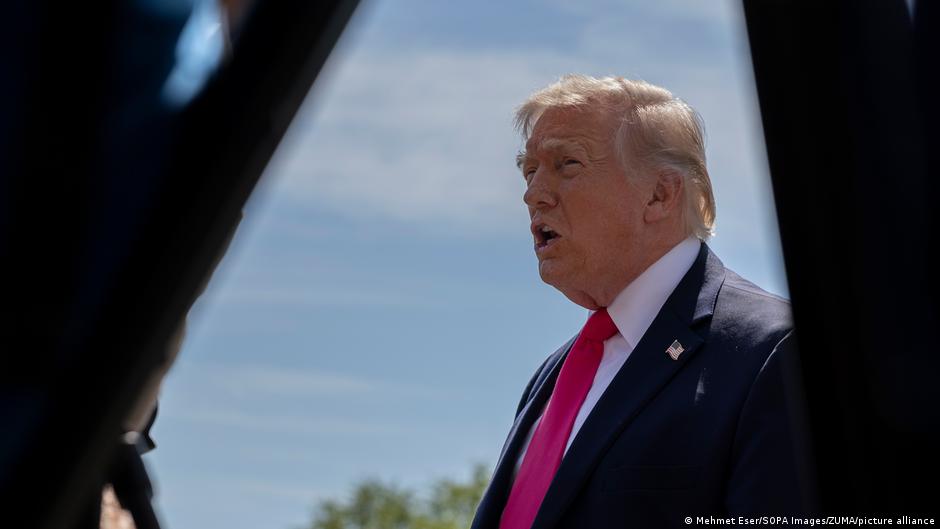
The Iran war is intensifying, with Trump saying bombing could resume if no deal is reached and the Strait of Hormuz blockade remaining in place until Tehran agrees to peace terms. The IEA warned the conflict is driving the biggest energy crisis in history, with the Strait disruption threatening roughly 20% of global oil and LNG flows and likely causing higher inflation and supply shortages. The article also flags disrupted diplomacy, US seizure of an Iranian tanker, and mounting spillovers into European jet fuel markets and regional security.
The market is underpricing how quickly a ceasefire failure morphs from a geopolitics headline into a physical supply shock. The key second-order effect is not just higher crude, but the conversion of a Middle East routing problem into a broader transport-cost and inventory-liquidity problem: if vessel inspections/seizures keep escalating, insurers widen exclusions, freight rates spike, and refiners outside the Gulf lose optionality even before barrels are actually missing. That creates an asymmetric bid for energy volatility and for companies with exposed working capital cycles.
The more important loser set is downstream and rate-sensitive, not just airlines. European carriers, chemical producers, and industrials are likely to get hit first because jet fuel and gasoil shortages can appear inside weeks, while product markets in Asia will reprice faster than headline crude due to shipping and storage bottlenecks. If the Strait remains constrained, the inflation impulse is front-loaded into Q2/Q3 and could force a policy reassessment before there is any visible demand destruction.
The contrarian read is that the “everyone long energy” consensus may be too linear. If the conflict stays contained to intermittent blockade/enforcement and no broader regional pipeline damage occurs, the largest dislocation may be in volatility, not spot direction; that favors options over outright beta. Also, a prolonged price spike increases the odds of emergency diplomatic cover and selective sanctions relief, which would hit the crowded long-energy trade faster than expected.
Catalyst timing matters: the next 24-72 hours are binary for risk assets, but the bigger trade is over 2-6 weeks if aviation fuel scarcity and freight rerouting become visible in Europe and Asia. Watch for evidence of refining runs being cut, tanker insurance withdrawals, and any signal that the US is shifting from interdiction to negotiated de-escalation; either would be the first tell that the energy shock is peaking.
AI-powered research, real-time alerts, and portfolio analytics for institutional investors.
Request TrialOverall Sentiment
strongly negative
Sentiment Score
-0.82
Ticker Sentiment
