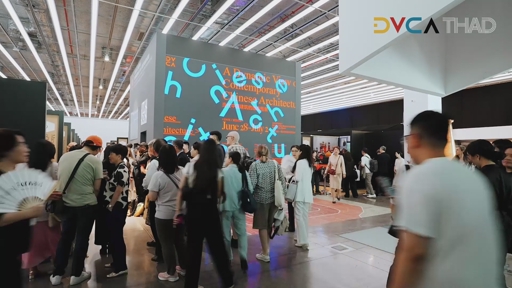
Le pavillon chinois « A Dynamic View of Contemporary Chinese Architecture (DVCA) » a ouvert le 29 juin au 29e Congrès mondial des architectes de l’UIA à Barcelone, après près de trois ans de préparation. L’initiative est présentée comme le premier pavillon chinois neutre en carbone (empreinte compensée par des crédits carbone et certifiée), avec des panneaux composites recyclables et une plateforme en ligne lancée pour un accès mondial. En termes d’audience, le pavillon a attiré plus de 6 000 visiteurs sur place et plus de 10 000 visiteurs virtuels. Le congrès se poursuivra avec l’annonce d’une nouvelle édition accueillie par Pékin en 2029 et met en avant des recherches à faible empreinte carbone et des usages de conception assistée par l’intelligence artificielle.
This is mostly signaling, not a direct earnings event. The investable read-through is that China is trying to position its AEC stack as digitally native and climate-compliant, which matters more for procurement standards than for a one-off exhibition. If that framing migrates into public tenders, the first monetizers are not architects themselves but software/workflow vendors that sit inside design and compliance budgets.
The likely winners over 1-3 quarters are BIM / generative-design / digital-twin names such as ADSK and BSY, because AI-assisted design only becomes monetizable when it is tied to measurable labor savings and faster permitting. The second-order loser is the low-margin, people-heavy consulting layer: higher competition and commoditization pressure for traditional design services, while the upside accrues to software and standards, not bespoke labor. Chinese design institutes may gain soft-power and overseas bid credibility, but the market impact is still contingent on actual backlog conversion.
Contrarian view: the market may overread the carbon-neutral pavilion as proof of structural policy adoption. Without evidence of recurring capex, tender requirements, or software spend, this is closer to brand building than demand creation. The thesis breaks if China’s property/construction downturn keeps public and private project budgets constrained, because sustainability messaging does not translate into revenue when the pipeline is frozen.
AI-powered research, real-time alerts, and portfolio analytics for institutional investors.
Request DemoOverall Sentiment
mildly positive
Sentiment Score
0.25
