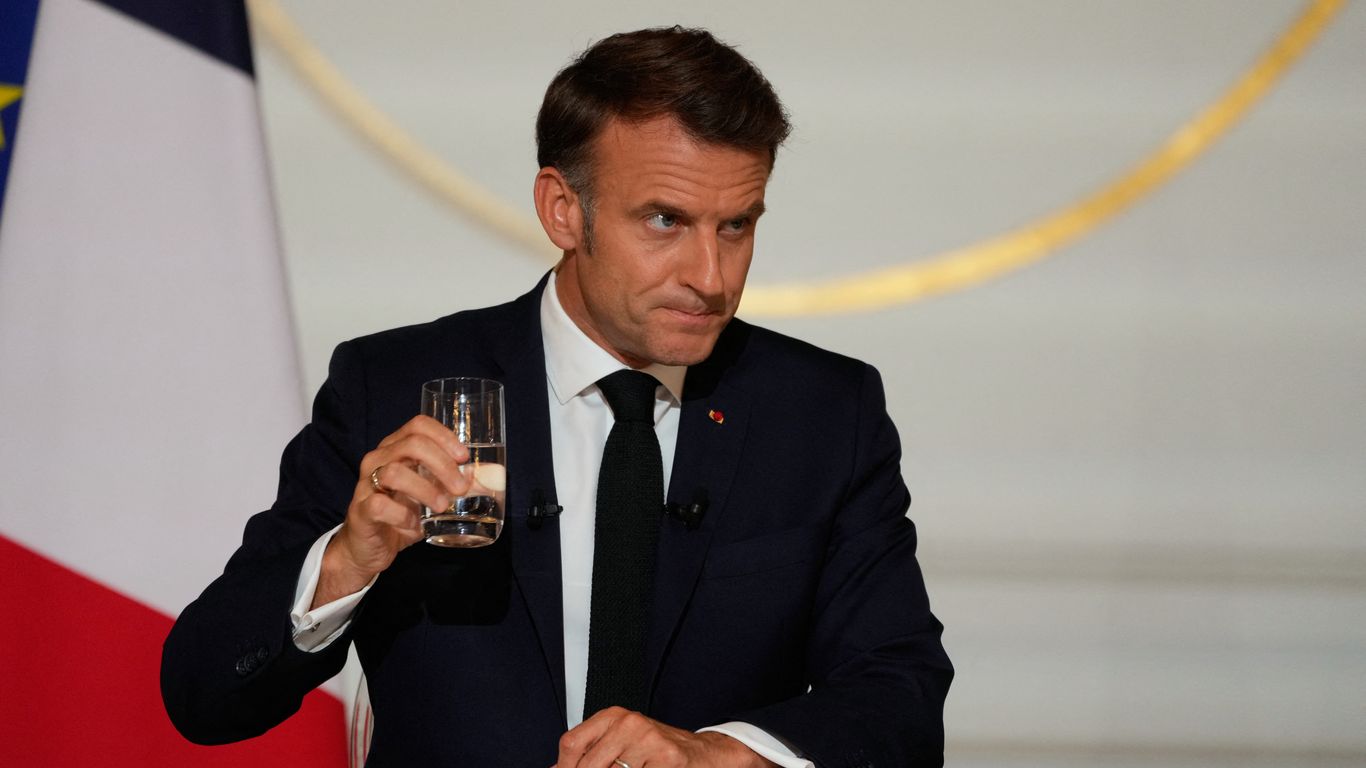
French President Emmanuel Macron confirmed that 'snapback' sanctions against Iran will be triggered by the end of September, signaling the failure of diplomatic efforts between European powers and Tehran. This decision, stemming from the E3's rejection of Iran's latest insufficient proposals, will lead to the reimposition of UN Security Council sanctions by September 27, intensifying economic pressure on Iran and significantly reducing international oversight of its nuclear program. While Iran has threatened to withdraw from the Nuclear Non-Proliferation Treaty, European diplomats anticipate this is unlikely, though the situation heightens geopolitical risk.
The confirmation from French President Emmanuel Macron that 'snapback' sanctions against Iran will be triggered by the end of September signals a definitive failure of diplomatic negotiations between Tehran and the E3 powers. This development stems from Iran's latest proposal being deemed 'insufficient in substance,' as it reportedly offered only 'declarations of intent' in exchange for a delay or termination of the sanctions mechanism. The reimposition of UN Security Council sanctions, expected by September 27, is set to cause 'greater economic harm' to Iran and, critically, will result in 'virtually no oversight' of its nuclear program, elevating regional security risks. While Iranian officials have threatened a withdrawal from the Nuclear Non-Proliferation Treaty (NPT), European diplomats assess this as an unlikely scenario, suggesting a calculated risk by the E3. The breakdown in talks and the impending sanctions introduce a material increase in geopolitical risk, with direct implications for energy market stability and the broader security landscape in the Middle East.
AI-powered research, real-time alerts, and portfolio analytics for institutional investors.
Request DemoOverall Sentiment
strongly negative
Sentiment Score
-0.65
