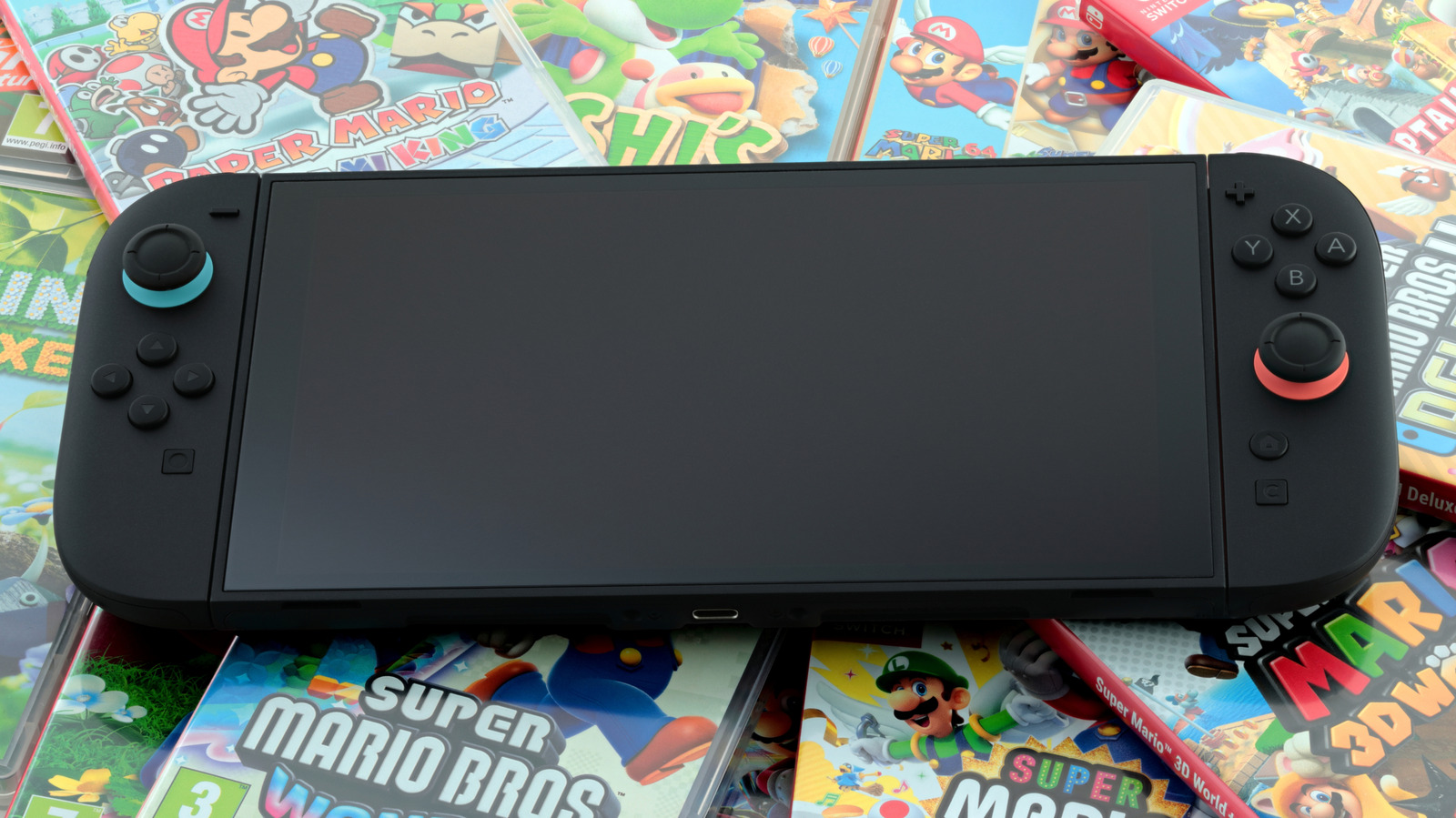
The article highlights five Nintendo Switch 2 accessories that can be 3D printed, including mouse grips, Joy-Con grips, cartridge holders, a handheld grip, and a travel case. The piece emphasizes lower-cost customization, improved ergonomics, and free downloadable models, but it is largely a consumer-hardware how-to rather than material financial news. Market impact is likely minimal.
This is a demand-signal story for the long tail of the gaming hardware ecosystem, but the economic value capture is skewed away from Nintendo itself and toward adjacent small-batch manufacturers, filament suppliers, and marketplaces that monetize creator traffic. The key second-order effect is that accessory replacement cost collapses for a subset of users, which can suppress attach rates for official grips, cases, and organizer SKUs over the next 6-18 months, especially among price-sensitive and DIY-heavy owners. That said, the addressable population is still gated by 3D-printer ownership and willingness to print, so the absolute revenue displacement is likely modest rather than company-threatening.
The more interesting dynamic is behavioral: 3D-printable ergonomics reduce friction in handheld and mouse-mode usage, which can extend session length and increase engagement with modes that were previously novelty-only. That is supportive for software monetization and in-game spending, particularly for titles optimized around alternative inputs. In parallel, the print community creates a free innovation loop that can outcompete low-end third-party accessories on both price and customization, pressuring margin in generic controller grips, cases, and cartridge storage.
The contrarian view is that this is not a pure substitution story; it may actually validate the platform by exposing unmet accessory demand faster than traditional retail can. If Nintendo or licensed partners respond with better-designed premium accessories, the community’s prototypes become a product-development funnel rather than a competitive threat. The risk window is months, not days: immediate sentiment benefits the DIY ecosystem, while the real competitive impact on accessory sellers depends on how quickly mass-market alternatives improve fit, ergonomics, and bundled value.
From a supply-chain angle, there is a small but real uplift for filament demand, 3D printer consumables, and marketplaces hosting STL files. The bigger tail risk is if the console’s installed base expands materially and printed accessories become normalized; that could compress aftermarket accessory pricing across the category over a 1-3 year horizon. If adoption stalls or the console’s form factor is later revised, the use case weakens quickly because these models are tightly coupled to device dimensions.
AI-powered research, real-time alerts, and portfolio analytics for institutional investors.
Request DemoOverall Sentiment
mildly positive
Sentiment Score
0.25
