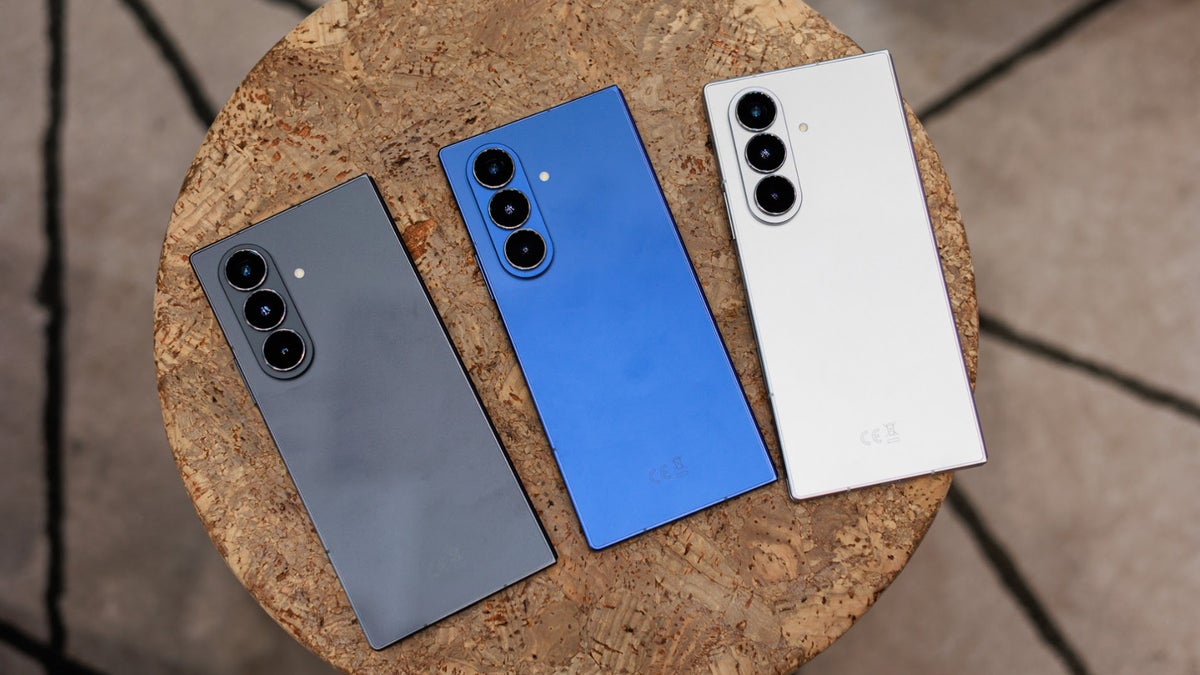
Samsung is reportedly renaming its upcoming foldables: the existing Galaxy Z Fold 8 becomes the Galaxy Z Fold 8 Ultra, while the wide-folding model takes the standard Galaxy Z Fold 8 name. The new devices are expected in July, with the Ultra featuring a 5,000 mAh battery and triple-camera setup versus a 4,800 mAh battery and dual cameras on the wide-fold model. An innovative smaller selfie camera is also rumored for both devices, with potential carryover to the Galaxy S27 series.
The immediate market read is not the naming change itself, but what it signals about product segmentation and margin protection. Samsung appears to be creating a clearer premium ladder in foldables, which usually supports ASPs if buyers accept the ‘Ultra’ framing; the risk is that the lower-tier model becomes the volume product while the premium version becomes a halo SKU with limited units. For component suppliers, this kind of split typically favors display, hinge, and battery vendors more than camera module suppliers, especially if one model simplifies the camera stack and shifts mix toward thinner mechanical integration.
The bigger second-order issue is strategic: Apple’s entry into a foldable category would force Samsung to defend mindshare before there is even a launch cycle to compare specs. That means Samsung may be optimizing for narrative and channel positioning now, not just hardware differentiation, which can pull forward marketing spend and compress launch-day gross margin if promotional intensity rises. The smaller external camera design is also a signal that industrial design constraints are still binding; if yield or durability trade-offs emerge, the premium messaging could invert into reputational risk within one to two quarters of launch.
For Apple, the foldable is less about near-term units and more about validating an ‘Ultra’ tier that can expand premium pricing across the portfolio over the next 12-18 months. The contrarian view is that naming convergence may be overstated by the market: consumers buy form factor and reliability, not labels. If the wide-fold design proves awkward or too expensive, Samsung could end up cannibalizing its own premium line while creating a short-lived halo that doesn’t broaden the category.
AI-powered research, real-time alerts, and portfolio analytics for institutional investors.
Request DemoOverall Sentiment
neutral
Sentiment Score
0.10
Ticker Sentiment
