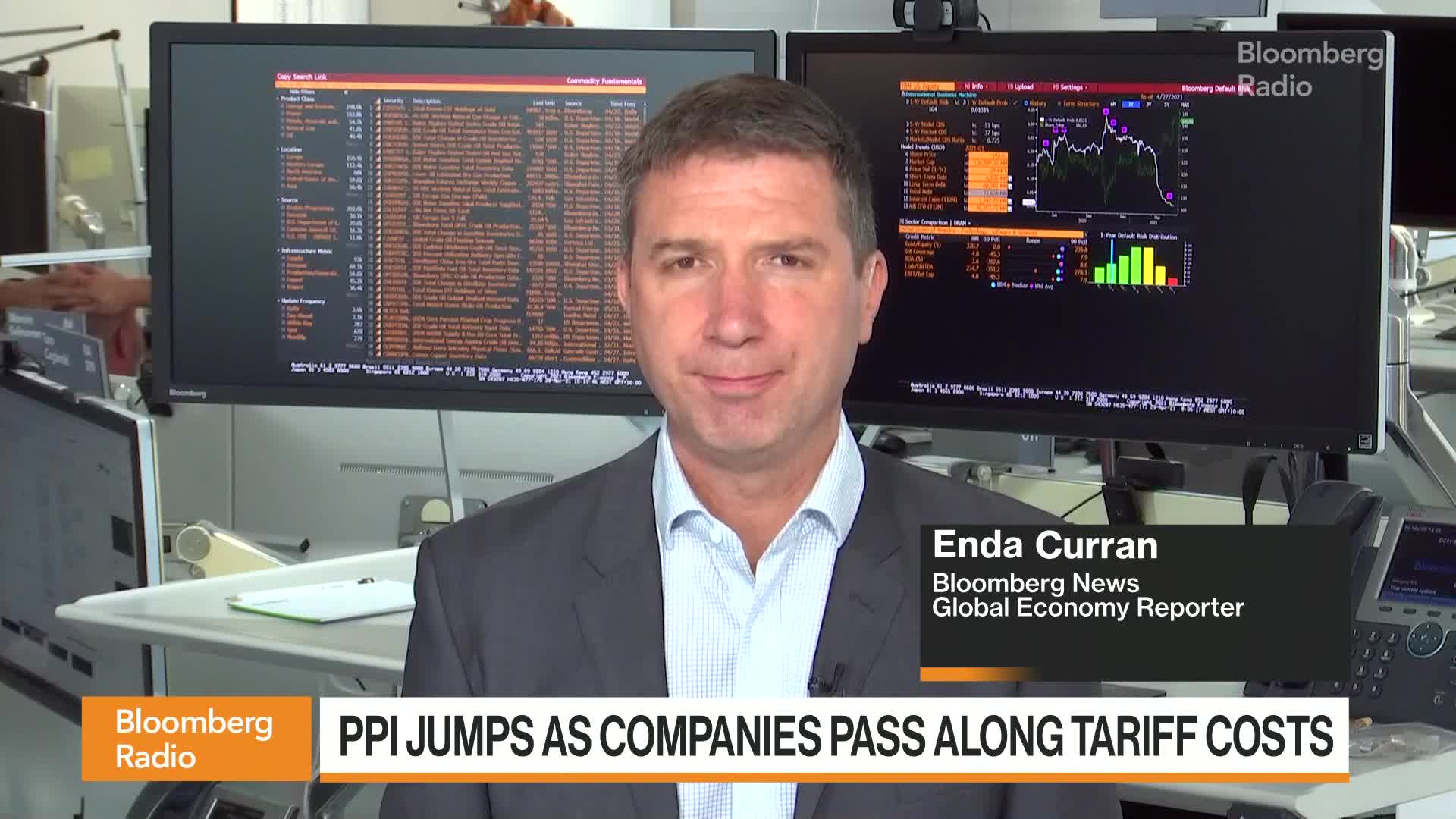
The Producer Price Index (PPI) recorded its largest increase in three years, indicating that companies are effectively passing along tariff-related costs. This significant jump in wholesale prices signals mounting inflationary pressures at the producer level, which could translate to higher consumer prices and potentially influence monetary policy expectations or corporate profitability.
The Producer Price Index (PPI) has registered its most significant increase in three years, a direct consequence of companies successfully passing on tariff-related costs to their customers. This development signals a material build-up of inflationary pressures at the wholesale level, which often serves as a leading indicator for consumer price inflation. While the ability of firms to transfer these costs suggests a degree of pricing power, it also introduces risk to corporate profitability should consumer demand falter in response to higher end-prices. Critically, this sharp rise in producer prices, underscored by a high market impact score and negative sentiment, could influence monetary policy by compelling central bankers to maintain a more hawkish stance to manage inflation expectations.
AI-powered research, real-time alerts, and portfolio analytics for institutional investors.
Request DemoOverall Sentiment
strongly negative
Sentiment Score
-0.60
