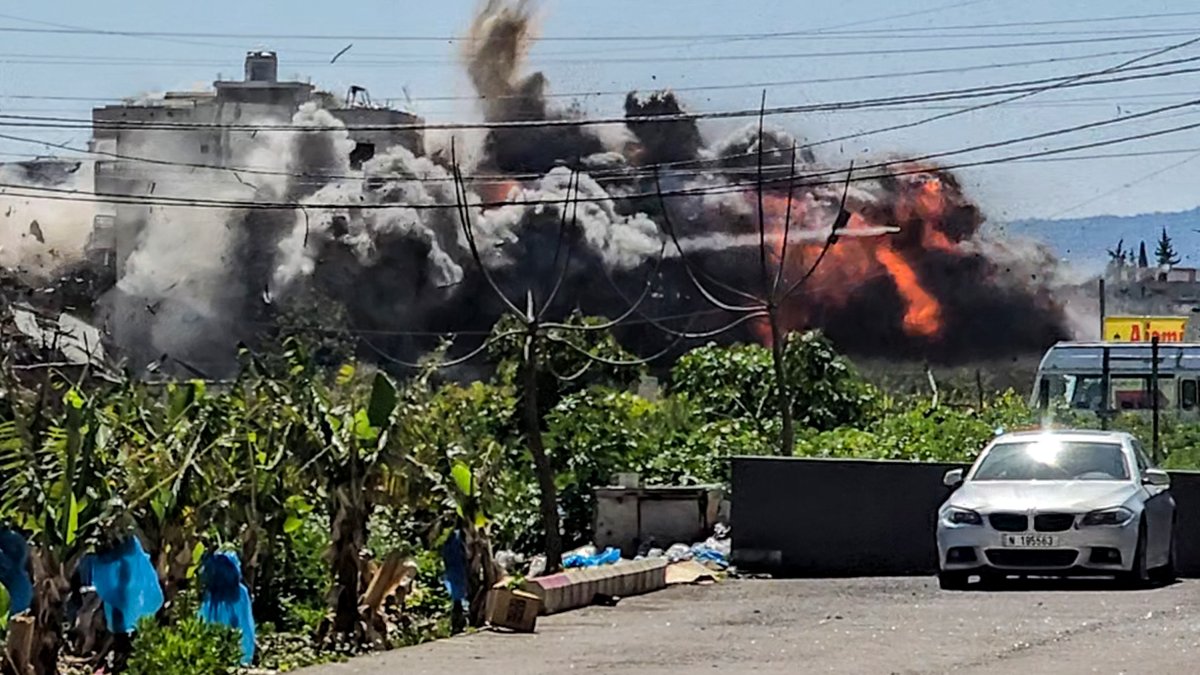
Pentagon estimates the U.S. spent $5 billion on munitions in the first two days of the Iran war. The closure of the Strait of Hormuz — which carries about 20% of global oil — has produced one of the largest oil supply disruptions on record, sending crude and gasoline prices sharply higher. Iran's drone and missile strikes on Israel and Gulf states and Israeli vows of continued strikes, along with seven U.S. service members killed, materially increase geopolitical and operational risk. Expect heightened market volatility and risk-off positioning until the conflict's scope, duration and the Strait's status are resolved.
The market reaction is being driven less by headline escalation and more by the mechanical re-pricing of transport and inventory risk: longer voyage times, war-risk premiums and charter-rate spikes immediately increase delivered oil and LNG costs by a multi-dollar margin per barrel equivalent and compress just-in-time inventories across refiners and petrochemical plants. That effect transmits down the supply chain in 2–8 weeks as spot freight and bunker costs are passed into product crack spreads and air/sea freight surcharges, squeezing industrial margins while boosting cashflows for owners of tonnage and storage.
Sustained munitions consumption creates a discrete procurement shock for defense primes and the small-batch manufacturers who sit below them: urgent replenishment orders favor firms with idle production lines, vertical integration and domestic supply of energetic materials. Expect order cadence to shift from multi-year baselines to multi-month surge buys, which can lift toplines quickly but also expose suppliers to supplier bottlenecks, labor constraints and margin compression over a 3–12 month window.
Macro and policy tail risks dominate directional conviction: a short, contained flare-up would see volatility and spreads revert within 30–90 days, while protracted disruption creates persistent inflationary impulse into 2026 and forces fiscal/monetary trade-offs. Key reversers to watch are rapid diplomatic de-escalation, coordinated SPR releases large enough to cap oil above-ground scarcity, or a sudden increase in tanker capacity/utilization that removes routing premia.
AI-powered research, real-time alerts, and portfolio analytics for institutional investors.
Request DemoOverall Sentiment
strongly negative
Sentiment Score
-0.80
